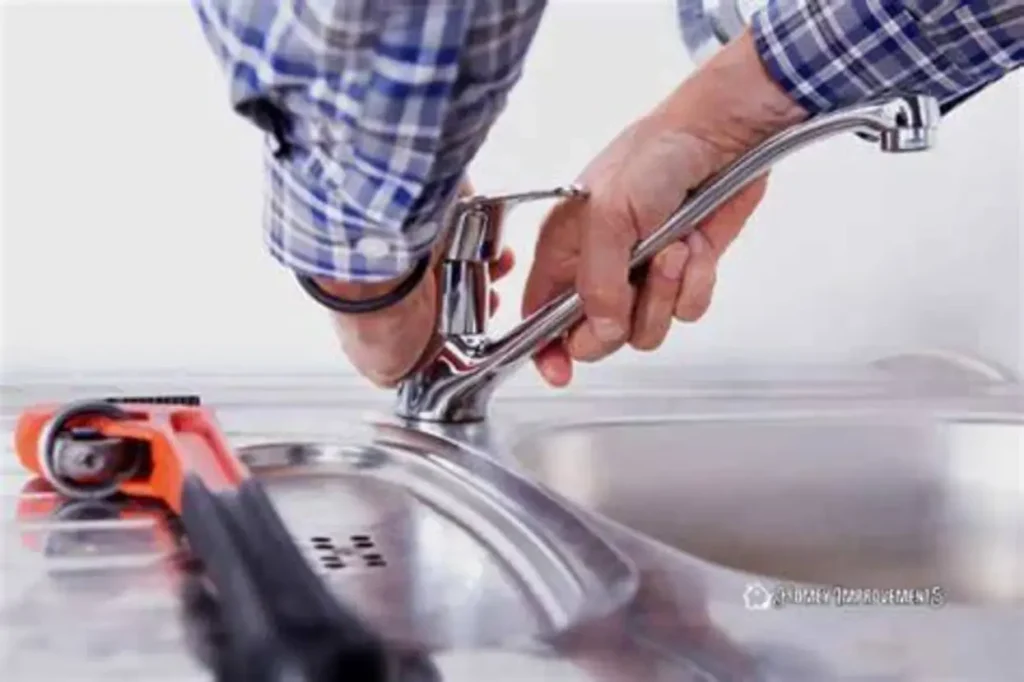
A loose kitchen sink faucet is one of those small problems that quickly turns into a daily annoyance. It wobbles when you turn it on, makes cleaning harder, and over time can even cause leaks or damage under the sink. The good news is that you don’t need to call a plumber right away. In most cases, you can fix it yourself with a few basic tools and a bit of patience.
This guide gstarboard walks you through a simple 3-step method to fix a loose kitchen sink faucet safely and effectively.
Why Your Kitchen Faucet Becomes Loose
Before jumping into the fix, it helps to understand what’s going on. A kitchen faucet is held in place by mounting hardware underneath the sink. Over time, that hardware can loosen due to regular use, water pressure, or even vibrations from daily activities like washing dishes.
Common causes include:
- Worn-out or loose mounting nuts
- Improper installation
- Normal wear and tear
- Corrosion or mineral buildup
No matter the cause, the solution usually involves tightening or replacing the hardware that secures the faucet.
Step 1: Turn Off Water and Clear the Area
Start with safety and preparation. You don’t want water spraying everywhere while you work.
First, turn off the water supply valves under the sink. These are usually located on the wall or cabinet floor beneath the faucet. Turn them clockwise until they stop. After that, turn on the faucet briefly to release any remaining pressure in the lines.
Next, clear out everything under the sink. This step matters more than people think. You’ll need space to move your hands and tools comfortably, especially since the working area is often tight and dark.
It also helps to:
- Place a towel or small bucket under the pipes to catch any drips
- Use a flashlight or phone light for better visibility
- Wear gloves if the area is dirty or has sharp edges
Once everything is accessible, you’re ready to move on.
Step 2: Locate and Tighten the Mounting Hardware
Now comes the main part of the repair. You’ll need to find the mounting nut that holds the faucet in place.
Look directly under the sink, just beneath the faucet. You should see one or two nuts securing the faucet to the sink or countertop. These nuts are often attached to a threaded shank that comes down from the faucet.
Depending on your setup, you may need:
- A basin wrench (best tool for tight spaces)
- An adjustable wrench
- A screwdriver (for some faucet models)
Carefully position your tool around the mounting nut and begin tightening it. Turn clockwise until it feels snug. Avoid overtightening, as this can damage the fixture or strip the threads.
While tightening, check the faucet from above. Hold it steady with one hand if needed so it aligns properly with the sink.
If the nut keeps spinning or won’t tighten:
- It may be stripped and need replacement
- The mounting bracket could be damaged
- Mineral buildup might be preventing a secure fit
In these cases, you may need to remove and replace the mounting hardware entirely.
Step 3: Test the Faucet and Check for Stability
Once the mounting nut is secure, it’s time to test your work.
Turn the water supply valves back on slowly. Then run the faucet as you normally would. Pay attention to how it feels when you turn the handle and move the spout.
Check for:
- Any remaining wobble
- Unusual movement at the base
- Leaks under the sink
If the faucet still feels loose, go back underneath and tighten the nut a bit more. Sometimes it takes a couple of adjustments to get it just right.
If everything feels solid and stable, you’re done.
Extra Tips to Prevent Future Problems
Fixing the faucet is one thing, but keeping it secure long-term is just as important. A few simple habits can help prevent the issue from coming back.
- Avoid using excessive force when turning the faucet
- Check under the sink every few months for loose connections
- Clean mineral buildup regularly, especially in hard water areas
- Consider using a thread-locking compound for added stability
If your faucet is older, it might also be worth upgrading to a newer model with better mounting systems.
When to Call a Professional
Most loose faucet issues are easy to fix, but there are situations where calling a plumber makes more sense.
Consider professional help if:
- The mounting hardware is broken or severely corroded
- You can’t access the nut due to tight or unusual sink design
- There are persistent leaks after tightening
- The sink or countertop itself is damaged
A professional can quickly diagnose and fix the problem without risking further damage.
Final Thoughts
A loose kitchen sink faucet might seem like a minor issue, but fixing it early saves you time and hassle later. With this simple 3-step method, you can stabilize your faucet, improve usability, and prevent bigger plumbing problems.
You don’t need advanced skills or expensive tools. Just a bit of time, attention, and the right approach. Once you’ve done it, you’ll likely find it’s one of the easiest home maintenance tasks to handle on your own.