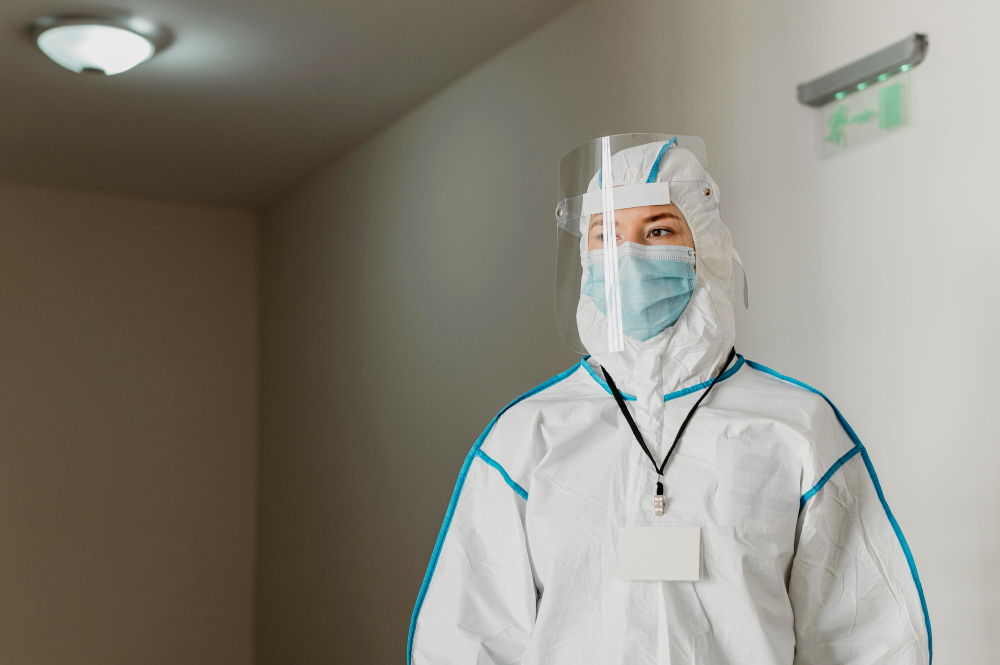
The Occupational Safety and Health Administration (OSHA) plays a critical role in ensuring safe and healthy work environments for healthcare professionals. One of the key components of workplace safety in medical settings is the proper use of personal protective equipment (PPE). OSHA sets clear standards to protect workers from potential hazards, including bloodborne pathogens, chemicals, and infectious agents. In this blog post, we will delve into the importance of OSHA standards for PPE in the medical field and how they help ensure the safety and well-being of healthcare workers.
OSHA’s Role in Protecting Healthcare Workers
OSHA’s mission is to protect workers by regulating workplace safety standards and enforcing those regulations. In healthcare settings, workers are frequently exposed to risks, such as bloodborne diseases, hazardous drugs, and airborne pathogens. To mitigate these risks, OSHA has developed a set of guidelines that healthcare providers must adhere to, ensuring proper use of PPE to prevent exposure to harmful substances.
These guidelines cover a range of PPE, from gloves to gowns, face shields, and respirators. One of the most essential forms of PPE in healthcare settings is nitrile gloves. Nitrile gloves provide a robust barrier against infectious agents, chemicals, and bodily fluids, offering enhanced protection for healthcare workers performing procedures that involve potential exposure to pathogens.
The Importance of Nitrile Gloves in Healthcare
Nitrile gloves have become the preferred choice for many medical professionals due to their durability, chemical resistance, and hypoallergenic properties. According to OSHA standards, healthcare professionals must wear gloves when they may come into contact with blood, bodily fluids, or contaminated surfaces. Nitrile gloves meet these requirements and provide superior protection compared to other materials like latex or vinyl.
Nitrile gloves are especially advantageous for workers who may have latex allergies, offering a safe alternative that doesn’t compromise on quality. They are highly resistant to punctures and tears, ensuring that healthcare workers remain protected during procedures that require precision and care.
Key OSHA PPE Requirements for Healthcare Workers
OSHA standards mandate that PPE be selected and used based on the hazards present in the healthcare setting. Below are key OSHA regulations related to PPE in the medical field:
1. Assessment of Workplace Hazards
Healthcare employers are required to assess the potential hazards in their workplaces and determine which types of PPE are necessary. This assessment takes into account the specific tasks being performed, the level of exposure to hazards, and the potential risks to workers’ health.
2. Proper Selection of PPE
Once hazards have been assessed, employers must select appropriate PPE based on the risk level. PPE must be selected to provide the highest level of protection possible for the task at hand. For example, when handling bodily fluids or performing invasive procedures, nitrile gloves are the preferred choice. In cases where there is a risk of airborne transmission, respiratory protection such as N95 respirators must be used.
3. Training and Education
Healthcare workers must receive proper training on the use, maintenance, and disposal of PPE. OSHA mandates that employers provide training to ensure that workers understand the correct procedures for donning, doffing, and disposing of PPE. This training helps to reduce the risk of contamination and ensures that PPE is used effectively.
4. Maintenance and Cleaning of PPE
PPE must be properly maintained and cleaned to remain effective. Employers must ensure that reusable PPE, such as gowns and face shields, is cleaned according to the manufacturer’s instructions. Disposable PPE, must be replaced regularly, especially after each patient interaction or potential contamination.
5. Proper Disposal of PPE
Improper disposal of contaminated PPE can lead to the spread of infections. OSHA requires that PPE be discarded in designated waste containers to prevent contamination of the workplace.
The Benefits of Adhering to OSHA Standards
Adhering to OSHA standards for PPE in healthcare settings provides numerous benefits, including:
- Improved Worker Safety: By following OSHA guidelines, healthcare employers ensure that their workers are protected from hazardous exposures, reducing the risk of injury and illness.
- Compliance with Regulations: Meeting OSHA standards helps healthcare facilities avoid fines and penalties associated with non-compliance.
- Enhanced Patient Safety: Proper PPE usage also helps protect patients from potential exposure to healthcare-associated infections (HAIs), ensuring a safer treatment environment.
- Reduced Healthcare Costs: By preventing injuries and infections, facilities can reduce the costs associated with worker compensation, legal fees, and healthcare-associated infections.
Conclusion
Understanding and adhering to OSHA standards for PPE is crucial for ensuring the safety of healthcare workers. From nitrile gloves to gowns and respirators, selecting the right PPE based on the identified hazards is essential in minimizing exposure to dangerous pathogens. By following OSHA guidelines, healthcare employers can create a safer environment for both workers and patients, promoting better health outcomes and compliance with safety regulations.