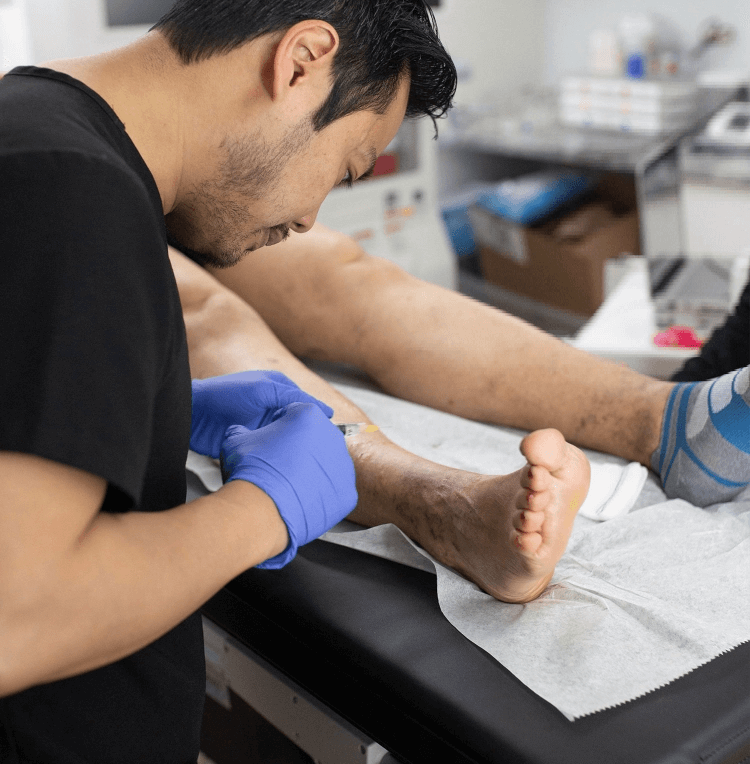
Vein health is essential for overall circulation and comfort. If you experience swelling, discomfort, or visible veins, consulting a vein treatment specialist can help restore your quality of life. At Vein Treatment New Jersey, we offer state-of-the-art treatments tailored to each patient’s condition. This article explores the most effective treatments vein specialists offer and answers a common patient question: Are varicose veins covered by insurance?
Why Should You Consult a Vein Treatment Specialist?
Vein specialists diagnose and treat vein-related issues such as varicose veins, spider veins, and chronic venous insufficiency. These conditions not only cause cosmetic concerns but can also lead to pain, swelling, and even serious health problems. A vein treatment specialist focuses on addressing both the appearance and health of veins.
By using advanced diagnostic tools like duplex ultrasound, vein specialists accurately evaluate vein health and create a personalized treatment plan. This ensures maximum effectiveness and minimal recovery time.
Common Treatments Offered by Vein Specialists
Vein specialists offer a variety of treatments depending on the severity of the condition and the patient’s needs. The most effective treatments include:
- Endovenous Laser Therapy (EVLT)
EVLT is a minimally invasive procedure that uses laser energy to seal malfunctioning veins. Under local anesthesia, the specialist inserts a thin laser fiber into the affected vein. The heat closes the vein, redirecting blood flow to healthy veins. EVLT offers faster recovery and minimal scarring compared to traditional vein stripping.
- Radiofrequency Ablation (RFA)
Similar to EVLT, radiofrequency ablation uses heat generated by radiofrequency energy to close diseased veins. This procedure is quick, effective, and typically performed in an outpatient setting. Most patients return to normal activities within a day or two.
- Sclerotherapy
Sclerotherapy is commonly used for spider veins and smaller varicose veins. The specialist injects a solution into the vein, causing it to collapse and fade over time. This treatment is less invasive and requires little downtime.
- VenaSeal™ Closure System
The VenaSeal procedure uses a medical adhesive to close faulty veins. This treatment avoids the use of heat or sclerosant agents, making it a comfortable option with minimal discomfort. It is also known for faster recovery and reduced need for compression stockings.
- Ambulatory Phlebectomy
For veins close to the skin, an ambulatory phlebectomy may be recommended. The specialist removes damaged veins through tiny incisions. This procedure provides immediate improvement in appearance and relief from symptoms.
How Vein Specialists Ensure Treatment Effectiveness
A vein treatment specialist doesn’t just perform procedures — they ensure long-term results through comprehensive care. This includes:
- Accurate Diagnosis: Using advanced ultrasound technology to locate vein problems precisely.
- Personalized Treatment Plans: Tailoring treatments to the patient’s medical history and lifestyle.
- Post-Treatment Care: Offering guidance on compression therapy, exercise, and follow-up appointments.
By focusing on both the health and aesthetics of veins, specialists help patients enjoy lasting results.
Are Varicose Veins Covered by Insurance?
One of the most common questions patients ask is, Are varicose veins covered by insurance? The answer depends on the specifics of your insurance plan and whether the treatment is considered medically necessary.
Varicose veins are not always treated purely for cosmetic reasons. If they cause pain, swelling, ulcers, or other complications, insurance may cover treatments. Vein specialists can document symptoms and medical necessity to help patients navigate insurance approval.
At Vein Treatment New Jersey, we guide patients through this process to ensure they receive the coverage they deserve whenever possible.
Why Choose Vein Treatment New Jersey?
At Vein Treatment New Jersey, our vein specialists combine advanced technology with personalized care. Our team focuses on providing the most effective treatments with minimal discomfort and downtime. We believe in empowering patients through education, ensuring they understand their condition and treatment options.
Our approach includes:
- Comprehensive Vein Evaluation: State-of-the-art diagnostic imaging to ensure precise treatment.
- Multiple Treatment Options: From minimally invasive procedures to advanced vein closure systems.
- Patient-Centered Care: Customized treatment plans and attentive follow-up.
Whether your condition is mild or complex, we work to provide solutions that improve both vein health and your quality of life.
Recovery and Lifestyle After Treatment
Recovery after vein treatments is generally quick, but it varies depending on the procedure. For example:
- EVLT and RFA: Most patients resume normal activities within 1–2 days.
- Sclerotherapy: Recovery is minimal, but compression stockings may be recommended.
- VenaSeal: Most patients return to daily activities immediately.
- Ambulatory Phlebectomy: Mild soreness and bruising may occur, with most patients recovering within a week.
Vein specialists often recommend lifestyle changes to improve vein health and prevent recurrence, such as regular exercise, maintaining a healthy weight, and wearing compression stockings.
The Future of Vein Treatments
Vein care is advancing rapidly, with new technologies and techniques improving effectiveness and comfort. Specialists now use ultrasound-guided procedures, advanced adhesives, and targeted laser treatments that are less invasive and more efficient.
At Vein Treatment New Jersey, we stay updated with the latest innovations to offer patients the best possible outcomes.
Final Thoughts
If you suffer from vein problems, consulting a vein treatment specialist is the best first step. They can evaluate your condition, recommend effective treatment options, and guide you through recovery.
Understanding whether insurance will cover your treatment is important. If your varicose veins cause symptoms or complications, they are often considered medically necessary, which increases the likelihood of coverage.