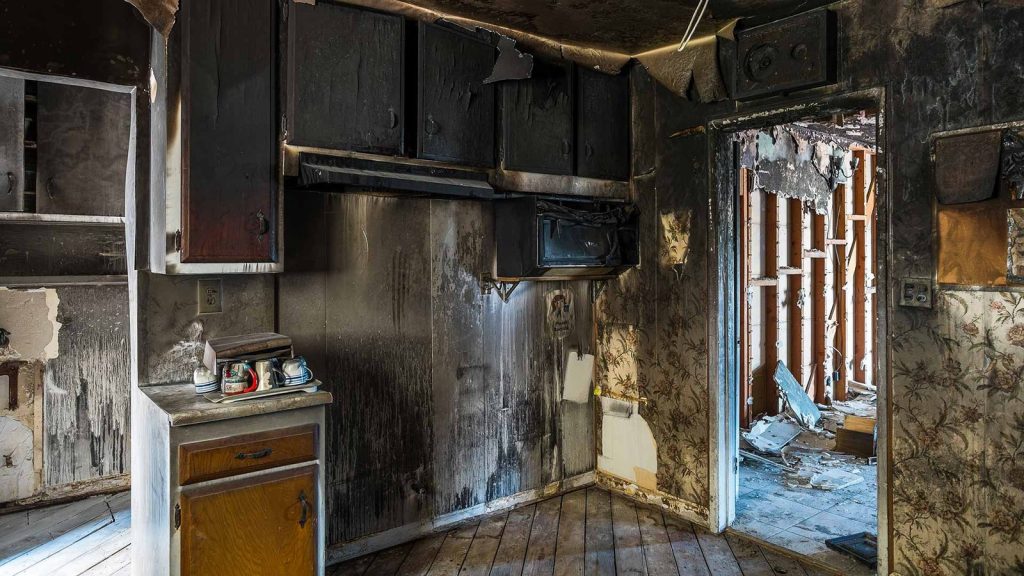
Fire damage can have devastating effects on homes and businesses. In Laredo, TX, understanding the risks, restoration process, and insurance claims associated with fire damage is crucial for homeowners and property managers. This article explores everything you need to know about fire damage, from prevention to professional assessment, tailored specifically to the Laredo area.
What is Fire Damage?
Fire damage refers to the destruction caused by flames, heat, and smoke during a fire incident. It can affect:
- Structural components like walls, floors, and roofs
- Electrical and plumbing systems
- Furniture, appliances, and personal belongings
- Air quality due to smoke residue and soot
In Laredo, TX, fire damage is a common concern due to older building materials in certain neighborhoods and the hot, dry climate, which can exacerbate fire risks.
Types of Fire Damage
Fire damage is not just about visible flames. Understanding the different types helps in proper restoration and insurance claims:
1. Structural Damage
Heat can weaken wood, metal, and concrete structures, compromising the building’s safety. Immediate assessment by professionals is essential to prevent collapse or further damage.
2. Smoke Damage
Smoke particles infiltrate walls, furniture, and ventilation systems. Smoke damage often continues to cause odors and staining if not addressed promptly.
3. Soot Damage
Soot, the black residue left by incomplete combustion, can settle on surfaces and appliances. It contains toxic chemicals that can be hazardous to health.
4. Water Damage
Water used to extinguish fires often leads to secondary damage, such as mold growth and wood warping.
Causes of Fire Damage in Laredo, TX
Several factors contribute to fire incidents in the Laredo area:
- Electrical Malfunctions: Old wiring or overloaded circuits can ignite fires.
- Kitchen Accidents: Unattended stoves and cooking appliances are a leading cause.
- Heating Systems: Faulty HVAC or heaters can spark flames.
- Natural Factors: High temperatures and dry conditions increase wildfire risks.
- Negligence: Improper storage of flammable materials or careless smoking indoors.
The Fire Damage Assessment Process
After a fire, assessing the damage is critical for safety and insurance claims. Professionals follow a structured process:
- Initial Inspection – Identifying structural hazards and documenting damage.
- Damage Categorization – Separating fire, smoke, soot, and water damage.
- Restoration Plan – Outlining repair steps, cleaning, and replacement needs.
- Insurance Documentation – Detailed reporting for claims submission.
Using a certified public insurance adjuster, like Joe Hensley Public Insurance Adjusters, ensures that damage is assessed accurately and claimable losses are maximized.
Health Risks Associated with Fire Damage
Fire damage poses not only property risks but also health hazards:
- Respiratory Issues: Inhaling smoke, soot, or chemicals from burned materials can trigger asthma or other lung conditions.
- Chemical Exposure: Soot often contains harmful substances like carbon monoxide, cyanide, and benzene.
- Mold Growth: Water used in firefighting can promote mold, causing allergies and infections.
Understanding these risks highlights why professional fire damage restoration is essential.
Steps for Fire Damage Restoration
Restoring a property after fire damage requires specialized knowledge and equipment. Key steps include:
1. Securing the Property
Ensure structural stability and prevent unauthorized access. This may include boarding up windows or doors.
2. Water Extraction
If water damage occurred, removing standing water and drying the property is crucial to prevent mold.
3. Soot and Smoke Cleaning
Professionals clean surfaces, ducts, and fabrics to remove smoke particles and neutralize odors.
4. Structural Repairs
Damaged walls, floors, and roofs are repaired or replaced to restore safety.
5. Final Inspection
The property undergoes a detailed inspection to ensure all fire and water damage has been addressed.
Fire Damage Insurance Claims in Laredo, TX
Insurance claims for fire damage can be complicated. Homeowners and businesses need accurate documentation of losses. A public insurance adjuster can help:
- Assessing Total Losses: Including hidden damage not visible to untrained eyes.
- Filing Claims: Ensuring all damages are reported to the insurance company.
- Negotiating Settlements: Maximizing coverage under your policy.
Using Joe Hensley Public Insurance Adjusters in Laredo ensures that claims are handled efficiently and fairly.
Preventing Fire Damage in Laredo Homes and Businesses
While some fires are unavoidable, certain measures reduce risk:
- Install smoke detectors and regularly test them.
- Keep fire extinguishers accessible in kitchens and garages.
- Regularly inspect electrical wiring and appliances.
- Avoid storing flammable materials indoors.
- Maintain landscaping to reduce wildfire risk.
Preventive measures are especially important in Laredo, TX, due to dry heat conditions that increase fire hazards.
Long-Term Effects of Fire Damage
Fire damage can have lingering impacts if not properly addressed:
- Odor Retention: Smoke odors can persist in walls and carpets.
- Structural Weakness: Heat can compromise beams and joists.
- Mold Growth: Secondary water damage may lead to mold infestations.
- Insurance Implications: Unreported damage can affect future claims.
Early restoration and expert guidance prevent long-term complications.
Why Local Expertise Matters in Fire Damage Restoration
Laredo’s climate, building styles, and fire risks require local knowledge. Restoration teams familiar with:
- Local building codes
- Fire damage trends in Laredo neighborhoods
- Effective smoke and soot removal methods for area-specific materials
…are more effective at fully restoring properties. Joe Hensley Public Insurance Adjusters combines local knowledge with professional assessment to streamline restoration and insurance processes.
Frequently Asked Questions (FAQs)
- What is considered fire damage?
Fire damage includes structural, smoke, soot, and water damage caused by fire incidents. - How quickly should fire damage be assessed?
Assessment should occur as soon as the property is safe, ideally within 24–48 hours. - Can I stay in my home after fire damage?
Only if a professional confirms the structure is safe; otherwise, temporary relocation is necessary. - Does insurance cover fire damage?
Most homeowner policies cover fire damage, but coverage depends on policy terms and claim documentation. - What health risks come from fire damage?
Smoke and soot exposure can cause respiratory issues, chemical inhalation risks, and mold-related illnesses. - Can fire damage be completely restored?
Most damage can be repaired, though some items may be irreparably lost. Professional restoration ensures safety and aesthetics. - Do I need a public insurance adjuster for fire damage?
A public adjuster helps maximize your claim and ensure all damages are properly documented. - How long does fire damage restoration take?
Depending on severity, restoration can take from a few days to several weeks. - What causes most house fires in Laredo, TX?
Kitchen accidents, electrical malfunctions, and heating equipment are leading causes. - Can smoke odors be completely removed?
Yes, with professional cleaning and specialized equipment, smoke odors can be eliminated from walls, furniture, and ducts.
Conclusion
Fire damage in Laredo, TX is a serious threat that affects property, health, and finances. Understanding the causes, restoration process, insurance claims, and preventive measures is essential for homeowners and businesses. With professional guidance from Joe Hensley Public Insurance Adjusters, property owners can navigate fire damage assessment, restoration, and insurance claims efficiently while safeguarding their homes for the future.