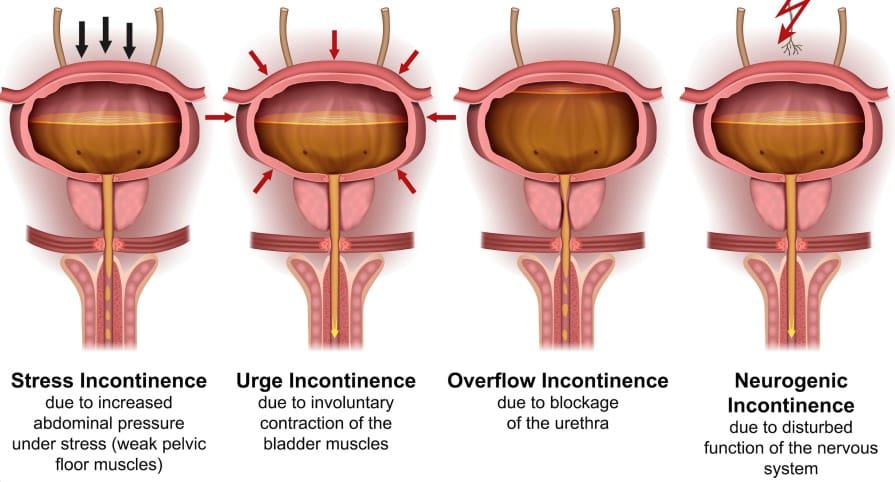
Urinary incontinence is a condition that affects many men, but it is rarely discussed openly. Whether it occurs after prostate surgery, with aging, or due to nerve or muscle dysfunction, loss of bladder control can impact daily life, confidence, and relationships. Fortunately, modern advances in urology have made incontinence surgery a viable option for men who have not found relief through conservative treatments.
Incontinence surgery can provide long-term control when lifestyle changes and nonsurgical therapies are not sufficient. Understanding your options and knowing what to expect makes the path to treatment clearer and more manageable.
What Is Urinary Incontinence?
Urinary incontinence refers to the involuntary leakage of urine. It can range from occasional dribbles with coughing or lifting, to a sudden, strong urge followed by leakage before reaching the bathroom. In men, incontinence can result from weakened pelvic floor muscles, prostate surgery, nerve damage, or age-related changes affecting bladder function.
While lifestyle changes and pelvic floor exercises help many patients, some men require surgical intervention to restore bladder control and improve quality of life.
Types of Urinary Incontinence That May Need Surgery
Not all incontinence requires surgery. Before surgical recommendations are considered, doctors often try conservative treatments. However, in situations where these methods fail to provide adequate relief, incontinence surgery may be recommended for conditions such as:
- Stress urinary incontinence, where leakage occurs with coughing, sneezing, or exertion
- Urge incontinence, involving sudden and strong urges followed by leakage
- Mixed incontinence, which includes features of both stress and urge types
- Persistent incontinence after prostate surgery or radiation
A careful evaluation by a urology specialist helps determine the type of incontinence and whether surgery is appropriate.
Common Incontinence Surgery Options
Several surgical techniques are available to treat urinary incontinence in men. The choice of procedure depends on the type of incontinence, underlying cause, and patient factors.
1. Sling Procedures
A sling procedure uses a strip of synthetic material or tissue to support the urethra and bladder neck. By positioning the sling under the urethra, the surgery helps prevent leakage during activities that increase abdominal pressure. Sling procedures are often used for stress urinary incontinence.
2. Artificial Urinary Sphincter (AUS)
The artificial urinary sphincter is a mechanical device implanted around the urethra. It consists of a cuff, a pump, and a reservoir. The cuff stays inflated around the urethra to prevent leakage and is temporarily deflated by the pump when the patient needs to urinate. AUS is considered the gold-standard option for moderate to severe incontinence and has a long track record of success.
3. Bulking Agents
In some cases, injectable bulking agents may be used to add support to the urethra. These injections help the tissue around the urethra stay firm and resist leakage. Bulking agents are less invasive than traditional surgery and may be suitable for mild incontinence.
4. Nerve Stimulation Techniques
Although not a traditional surgical incision procedure, advanced nerve stimulation therapies may be considered. These techniques help modulate nerve signals to the bladder, reducing urgency and frequency.
What to Expect During Incontinence Surgery
Before surgery, your urology specialist performs a thorough evaluation that includes medical history, physical examination, and diagnostic testing. These steps help rule out reversible causes and ensure correct surgical planning.
Most incontinence surgeries are performed under anesthesia, and patients typically go home the same day or after a short hospital stay. Recovery varies with the type of procedure, but most men experience gradual improvement in bladder control as healing progresses.
Recovery After Incontinence Surgery
Recovery timelines differ based on the surgical approach, but initial healing generally takes a few weeks. Men may be advised to avoid heavy lifting, strenuous activity, and certain physical movements during early recovery. Follow-up visits help track progress and adjust any postoperative care plans.
Pelvic floor exercises and bladder training may continue after surgery to enhance long-term results.
Who Is a Good Candidate for Incontinence Surgery?
Men who may benefit from surgical intervention include those who have:
- Persistent urinary leakage despite conservative treatment
- Moderate to severe incontinence affecting daily life
- Incontinence following prostate surgery
- Adequate overall health for anesthesia and recovery
A urology specialist guides patients through the evaluation process and discusses realistic expectations for outcomes.
Conclusion
Incontinence surgery offers effective, long-term solutions for men who struggle with bladder control that does not respond to lifestyle changes or nonsurgical therapies. With advances in surgical techniques and personalized care plans, many patients achieve significant improvement and regain confidence in daily activities. Men seeking expert evaluation and advanced treatment options can rely on the urology specialists at UPNT for comprehensive care and tailored solutions that focus on bladder health and quality of life.
Frequently Asked Questions (FAQs)
1. What is incontinence surgery?
Incontinence surgery refers to procedures designed to improve or restore bladder control by supporting the urethra or bladder neck, or by using implanted devices.
2. Is incontinence surgery painful?
Modern surgical techniques and anesthesia minimize pain. Mild discomfort during recovery is common but manageable with prescribed care.
3. How long does recovery take after incontinence surgery?
Recovery varies by procedure but typically involves a few weeks of reduced activity and follow-up care to monitor healing.
4. Are there non-surgical options before considering surgery?
Yes. Lifestyle changes, pelvic floor exercises, bladder training, and medications are usually tried before surgical intervention.
5. Who is a good candidate for incontinence surgery?
Men with persistent urinary leakage that affects daily life and does not improve with conservative treatments may be candidates for surgery after specialist evaluation.