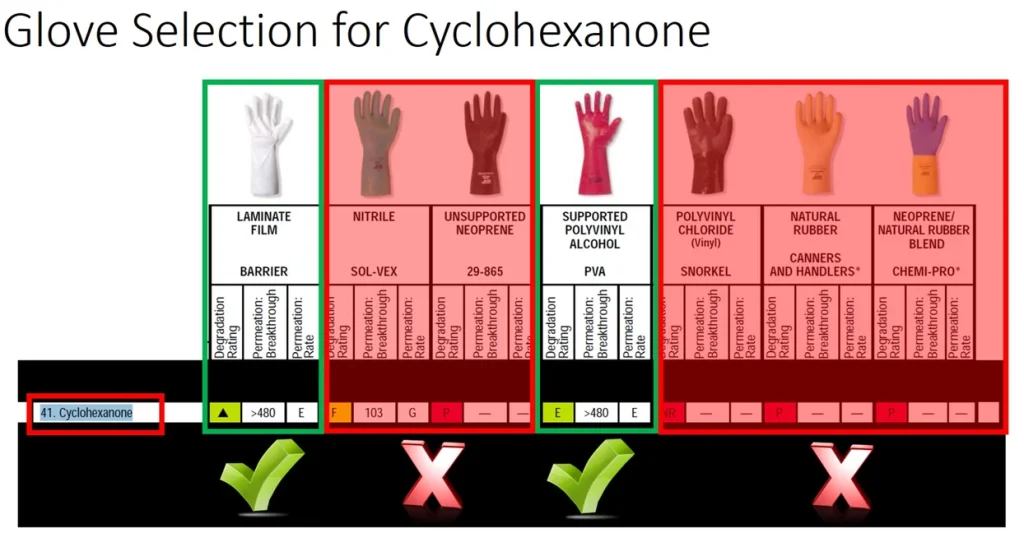
Acid Resistant Gloves Selection Guide for High-Risk Environments – In high-risk environments where workers are exposed to corrosive chemicals, acids, and hazardous substances, proper hand protection is not optional—it is essential. Acid resistant gloves play a critical role in preventing chemical burns, skin irritation, and long-term health issues caused by direct contact with aggressive substances. Selecting the right gloves, however, requires more than choosing the thickest material available. This guide provides a comprehensive overview to help you select acid resistant gloves suited for demanding industrial and laboratory conditions.
Why Acid Resistant Gloves Are Essential in High-Risk Environments
High-risk environments such as chemical manufacturing plants, laboratories, mining operations, battery production facilities, and wastewater treatment plants frequently involve exposure to strong acids like sulfuric acid, hydrochloric acid, nitric acid, and phosphoric acid. These substances can rapidly degrade ordinary gloves, leaving workers vulnerable to injury.
Acid resistant gloves are specifically designed to withstand chemical penetration, degradation, and permeation. When selected correctly, they create a reliable barrier between hazardous chemicals and the skin, ensuring compliance with safety regulations and protecting workforce productivity.
Understanding Chemical Resistance vs. Acid Resistance
Not all chemical-resistant gloves are equally effective against acids. Chemical resistance refers to a glove’s ability to resist a wide range of substances, while acid resistance focuses specifically on protection against corrosive acidic compounds.
Factors such as breakthrough time (how long it takes for a chemical to penetrate the glove), permeation rate, and material degradation must be considered. A glove that performs well against solvents may fail quickly when exposed to concentrated acids. Therefore, understanding the specific chemicals involved is the first step in proper glove selection.
Common Materials Used in Acid Resistant Gloves
Different glove materials offer varying levels of protection depending on the type and concentration of acid involved:
Natural Rubber (Latex)
Latex gloves provide good resistance to mild acids and offer excellent flexibility and comfort. However, they are not suitable for strong or concentrated acids and may cause allergic reactions in some users.
Neoprene
Neoprene gloves offer strong resistance to a wide range of acids, oils, and chemicals. They are commonly used in chemical handling, laboratory work, and industrial cleaning applications.
Nitrile
Nitrile gloves are highly resistant to many acids and chemicals while offering good puncture resistance. They are widely used in laboratories and industrial settings due to their durability and latex-free composition.
PVC (Polyvinyl Chloride)
PVC gloves provide reliable protection against strong acids and are often used in heavy-duty industrial applications. While they are less flexible than nitrile or neoprene, they are cost-effective for extended use.
Butyl and Viton
For extremely hazardous environments involving highly concentrated acids, butyl rubber and Viton gloves offer superior chemical resistance and extended breakthrough times. These materials are typically used in specialized industrial and chemical processing environments.
Key Factors to Consider When Selecting Acid Resistant Gloves
Choosing the right acid resistant gloves requires evaluating multiple factors beyond material type:
- Type and Concentration of Acid
Always identify the specific acid and its concentration. Stronger acids require gloves with higher chemical resistance and longer breakthrough times. - Exposure Duration
Short-term splashes may require different protection than prolonged immersion. Extended exposure demands thicker gloves or materials with superior resistance. - Dexterity and Comfort
In high-risk environments, workers still need precision and control. Gloves that are too thick or rigid may reduce productivity and increase the risk of accidents. - Glove Length and Coverage
For tasks involving splashing or immersion, longer gloves that cover the forearm provide additional protection. - Standards and Certifications
Ensure gloves comply with recognized safety standards such as EN 374 or ASTM chemical resistance guidelines. Certified gloves provide verified performance against specific chemicals.
Matching Gloves to High-Risk Applications
Different industries require different levels of protection. In laboratories, lightweight nitrile or neoprene gloves may be sufficient for routine acid handling. In chemical manufacturing or mining, heavy-duty PVC or butyl gloves are often necessary. Battery production and sulfuric acid handling typically demand gloves with exceptional resistance and durability.
Selecting gloves based on application ensures optimal protection without unnecessary cost or discomfort.
Maintenance, Inspection, and Replacement
Even the best acid resistant gloves require proper maintenance. Gloves should be inspected regularly for cracks, discoloration, swelling, or stiffness—signs that chemical degradation has begun. Reusable gloves must be cleaned and stored according to manufacturer guidelines, while disposable gloves should never be reused.
Replacing gloves at the right time is just as important as selecting the right ones. Compromised gloves can create a false sense of security and increase the risk of injury.
Conclusion: Safety Starts with the Right Glove Selection
In high-risk environments, acid resistant gloves are a frontline defense against chemical hazards. Selecting the right gloves involves understanding the specific acids involved, choosing appropriate materials, and ensuring compliance with safety standards. By investing in proper hand protection, companies not only protect their workers but also improve operational efficiency and regulatory compliance.
mitrasaruta: The right acid resistant gloves are more than protective equipment—they are a critical component of a comprehensive safety strategy in hazardous industrial and laboratory environments.