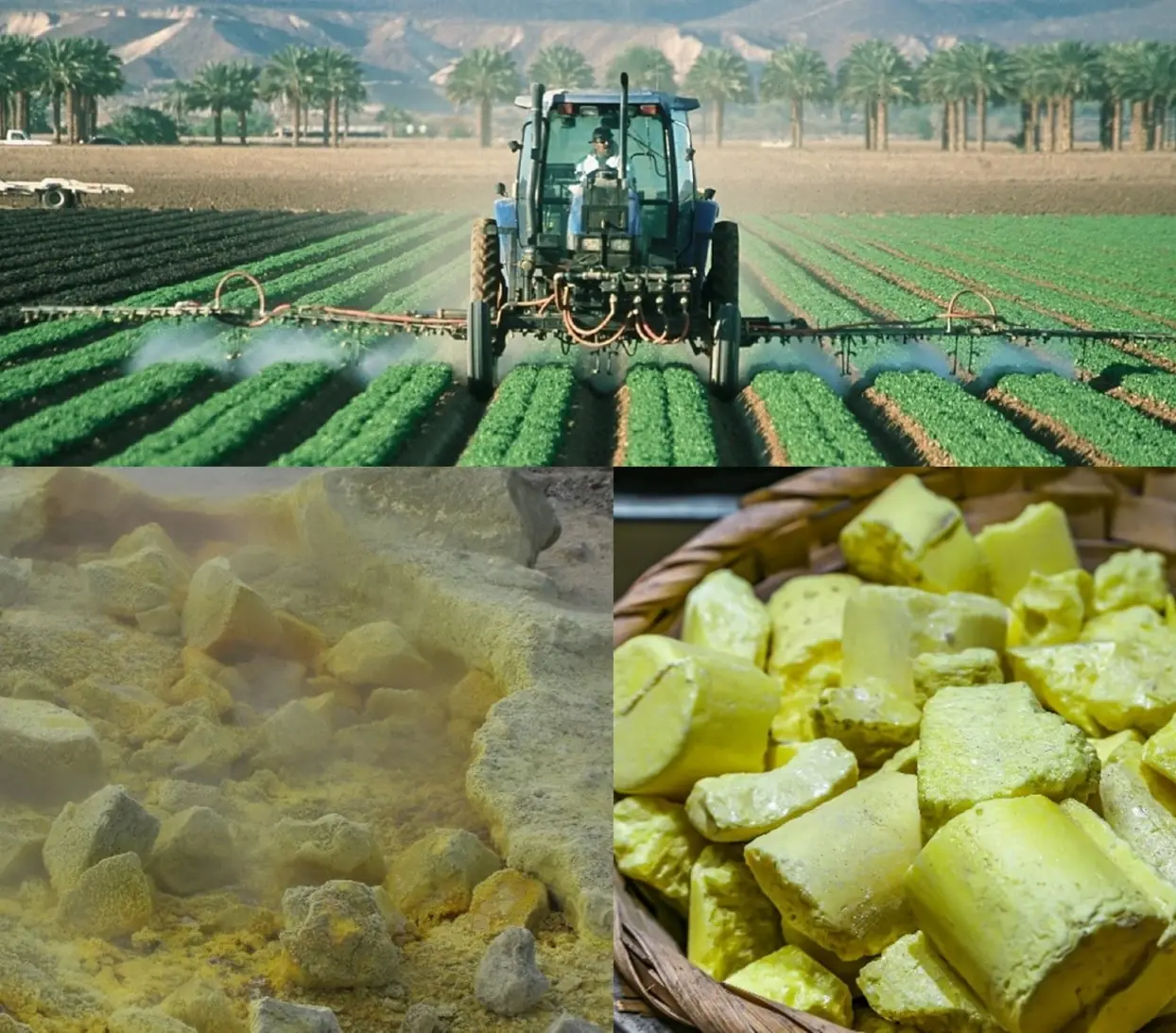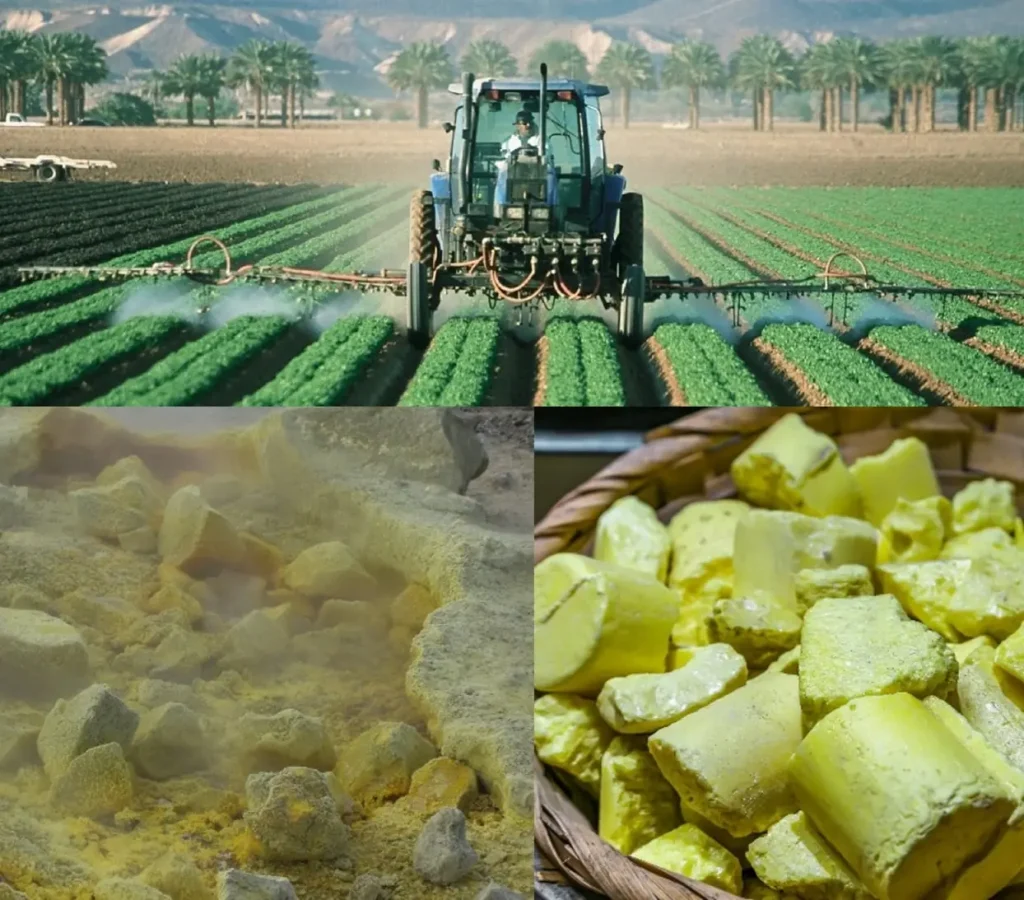
Sulfur flake is one of the most important raw materials in modern industrial supply chains. Known for its high purity, stable physical form, and ease of handling, sulfur flake plays a critical role in three major sectors: vulcanization, fertilizers, and chemical manufacturing. As global demand for rubber products, agricultural inputs, and chemical derivatives continues to grow, sulfur flake remains a strategic commodity with strong and consistent market demand.
Unlike sulfur powder, sulfur flake offers better flowability, lower dust generation, and improved safety during storage and transportation. These characteristics make it a preferred choice for industrial users that prioritize efficiency, quality control, and operational reliability.
Sulfur Flake in Vulcanization Processes
One of the most significant applications of sulfur flake is in the vulcanization of rubber. Vulcanization is a chemical process that improves the elasticity, strength, durability, and heat resistance of natural and synthetic rubber by forming cross-links between polymer chains. Sulfur acts as the primary cross-linking agent in this process.
Sulfur flake is particularly well-suited for vulcanization due to its consistent sulfur content and controlled melting behavior. When heated, sulfur flake melts evenly and reacts efficiently with rubber compounds, ensuring uniform cross-linking. This results in rubber products with enhanced mechanical properties, longer service life, and improved resistance to wear and environmental stress.
Industries such as automotive manufacturing, tire production, conveyor belt manufacturing, and industrial rubber goods rely heavily on sulfur flake for consistent vulcanization performance. High-quality sulfur flake helps manufacturers maintain product standards while minimizing production defects and waste.
Role of Sulfur Flake in Fertilizer Production
Sulfur is an essential plant nutrient, ranking alongside nitrogen, phosphorus, and potassium in importance. Sulfur flake is widely used as a raw material in the production of sulfur-based fertilizers and soil amendments. These products are critical for improving soil fertility, enhancing nutrient absorption, and increasing crop yields.
In fertilizer manufacturing, sulfur flake is often processed into sulfuric acid or converted into finely ground sulfur formulations suitable for agricultural use. Sulfuric acid derived from sulfur flake is a key input in the production of phosphate fertilizers, which are essential for global food production.
Sulfur flake is also used directly in elemental sulfur fertilizers, particularly for alkaline soils. When applied to soil, sulfur undergoes biological oxidation, producing sulfuric acid that lowers soil pH and improves nutrient availability. This makes sulfur flake an important component in sustainable agriculture, especially in regions with sulfur-deficient soils.
The stable quality and predictable reactivity of sulfur flake allow fertilizer producers to maintain consistent product performance while meeting regulatory and environmental standards.
Importance in Chemical Manufacturing
Beyond vulcanization and fertilizers, sulfur flake is a fundamental feedstock in chemical manufacturing. It serves as a base material for producing a wide range of sulfur-containing chemicals, including sulfuric acid, sulfides, sulfates, and various specialty chemicals.
Sulfuric acid, often referred to as the “backbone of the chemical industry,” is produced in large volumes using sulfur flake as a primary raw material. This acid is essential for applications ranging from petroleum refining and metal processing to battery manufacturing and wastewater treatment.
Chemical manufacturers prefer sulfur flake due to its high purity and low impurity levels, which are critical for downstream chemical reactions. Consistent sulfur quality helps ensure stable reaction conditions, higher yields, and reduced risk of contamination in finished products.
Additionally, sulfur flake is used in the production of detergents, pigments, pharmaceuticals, and agrochemicals. Its versatility makes it a cornerstone material in both basic and specialty chemical sectors.
Advantages of Sulfur Flake Over Other Forms
Compared to sulfur powder or lump sulfur, sulfur flake offers several operational advantages. Its flake form reduces dust generation, improving workplace safety and minimizing material loss. This is particularly important in large-scale industrial environments where dust control and compliance with safety regulations are critical.
Sulfur flake also provides better handling characteristics during transportation and storage. The uniform size and shape of flakes allow for efficient bulk handling, accurate dosing, and smoother feeding into processing equipment.
From a quality perspective, sulfur flake typically offers higher purity and more consistent chemical composition, making it ideal for applications that demand precise control over raw materials.
Market Demand and Industrial Reliability
The global demand for sulfur flake is closely tied to industrial growth, agricultural expansion, and infrastructure development. As industries continue to scale production and focus on efficiency, the need for reliable sulfur flake suppliers becomes increasingly important.
For industrial buyers, selecting a trusted sulfur flake supplier ensures consistent quality, stable supply, and technical support. Long-term partnerships with reliable suppliers help reduce operational risks and support sustainable production planning.
Conclusion
Sulfur flake is a vital industrial material that supports key sectors such as vulcanization, fertilizer production, and chemical manufacturing. Its high purity, ease of handling, and versatile applications make it a preferred form of sulfur for industrial use.
belirangkalisari.id As global industries continue to evolve, sulfur flake will remain an essential component in manufacturing processes that drive economic growth, agricultural productivity, and technological advancement. Investing in high-quality sulfur flake is not only a practical choice but also a strategic decision for long-term industrial success.