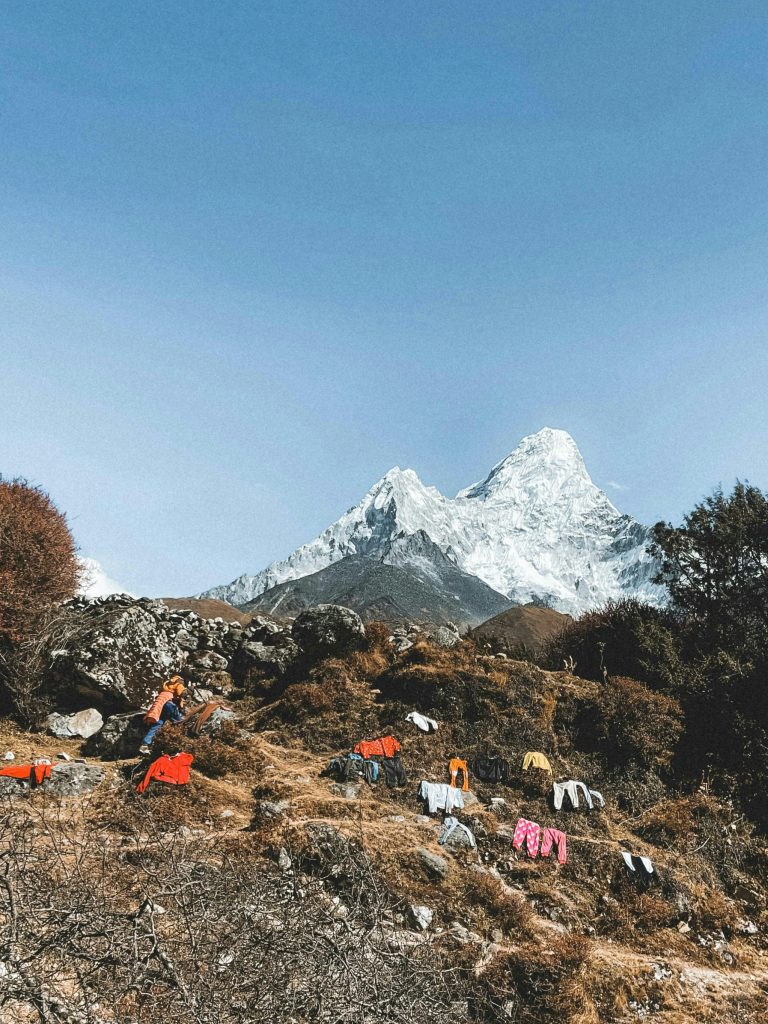
One look at Ama Dablam is enough to stop anyone in their tracks. Sharp ridges rise high into the sky, and a shining hanging glacier rests like a jewel on its face. The moment the trail begins, the ama dablam expedition reveals itself as a powerful adventure filled with beauty, risk, and reward. This is not just a climb. It is a bold journey that tests strength, patience, and courage in the heart of the Himalayas.
The Majesty of Ama Dablam
Ama Dablam stands proudly in Nepal’s Khumbu region. Often called the most beautiful mountain in the world, it rises near famous giants like Everest and Lhotse. The name “Ama Dablam” means “Mother’s Necklace,” inspired by the glacier that looks like a sacred ornament.
Beauty alone does not define this peak. Steep faces, narrow ridges, and exposed climbs make it one of the most technical mountains in Nepal. Every climber who dreams of standing on its summit must respect its power and challenge.
The Journey to Base Camp
The expedition begins with a scenic trek through the Khumbu Valley. The trail passes through forests of pine and rhododendron, crosses suspension bridges, and winds through Sherpa villages. Prayer flags flutter in the wind, and stone walls line the paths.
This approach trek plays an important role. It allows the body to adjust slowly to higher elevations. At the same time, it builds excitement as Ama Dablam slowly comes into view, growing larger and more dramatic with each passing day.
Ama Dablam Expedition Statistics
The Ama Dablam expedition is both demanding and rewarding. The average expedition length is around 28 to 32 days, including acclimatization, training, and summit attempts. The approach trek distance covers about 65 kilometers (40 miles) round trip from Lukla to Ama Dablam Base Camp.
The maximum elevation reached during the expedition is 6,812 meters (22,349 feet) at the summit. At this height, oxygen levels are low, temperatures are extreme, and careful pacing becomes essential for safety and success.
Life at Base Camp
Base Camp sits on a rocky slope beneath towering ice walls and sharp ridges. Colorful tents form a small camp filled with climbers and support teams. Life here follows a steady routine focused on rest, preparation, and safety.
Meals provide energy, while training sessions help sharpen climbing skills. Weather reports are checked daily. Patience is key, as summit plans often depend on short weather windows. Every day spent at base camp builds strength and readiness.
Climbing Ice, Rock, and Snow
Ama Dablam is famous for mixed climbing. This means climbers move across rock, ice, and snow, often within the same section. Steep rock walls require balance and skill. Ice sections demand careful foot placement and strong focus.
Fixed ropes help guide the route, but each step still requires confidence. Exposure is constant, and the mountain offers little room for mistakes. Calm thinking and steady movement are essential throughout the climb.
High Camps and Harsh Conditions
Several high camps are set along the route. Each camp sits higher than the last, bringing colder temperatures and thinner air. Simple tasks like eating or tying boots can feel exhausting.
Nights are cold and restless. Strong winds shake tents, and frost forms inside. These conditions test mental strength as much as physical ability. Rest, hydration, and discipline become the most important tools at high altitude.
Summit Day: A Test of Courage
Summit day begins long before sunrise. Headlamps light the narrow route as climbers move carefully upward. The cold is intense, and breathing becomes slow and deep.
As daylight appears, the Himalayas glow with golden light. Nearby peaks like Everest, Lhotse, and Makalu rise through the clouds. Reaching the summit brings a deep sense of achievement. The moment is quiet, powerful, and unforgettable.
The Importance of Sherpa Support
Sherpa guides play a vital role in the Ama Dablam expedition. Their experience, strength, and deep knowledge of the mountain increase safety and success. Fixed ropes, camp setup, and route decisions rely heavily on their skill.
Beyond technical support, Sherpa guides offer encouragement and calm leadership. Their presence builds trust and confidence throughout the expedition. Respect for their contribution is an important part of Himalayan climbing culture.
Why Ama Dablam Leaves a Lasting Impact
Ama Dablam teaches valuable lessons. Patience grows during long waits for good weather. Humility develops when facing nature’s power. Confidence rises with each challenge overcome.
Many climbers return with a stronger mindset and a deeper respect for the mountains. The experience changes how challenges are faced both on and off the mountain.
Best Season for the Expedition
The best times for the Ama Dablam expedition are spring (April to May) and autumn (September to October). These seasons offer more stable weather and clearer skies.
Spring provides warmer temperatures and longer days. Autumn brings crisp air and excellent visibility. Both seasons give climbers the best chance for a safe and successful ascent.
Final Thoughts: A Fearless Himalayan Dream
The Ama Dablam expedition is not meant for everyone. It demands effort, focus, and respect for the mountain. In return, it offers one of the most rewarding climbing experiences in the Himalayas.
Fearless on ice and rock, Ama Dablam stands as a symbol of beauty and challenge. For those ready to accept its test, the journey offers more than a summit—it offers growth, strength, and a powerful connection to the mountains.