


Custom guitars stand apart from the assembly-line uniformity of factory models by embodying a player’s dreams in wood and string, tailored precisely to individual needs rather than mass-market guesses. Luthiers spend months handpicking tonewoods, voicing bodies for unique sonic signatures, and refining ergonomics that factory efficiencies often overlook. This personal touch delivers superior tone depth, effortless playability, and heirloom durability, making custom builds a worthy investment for serious musicians seeking instruments that evolve alongside their artistry.
Personalized Wood Choices for Signature Sound
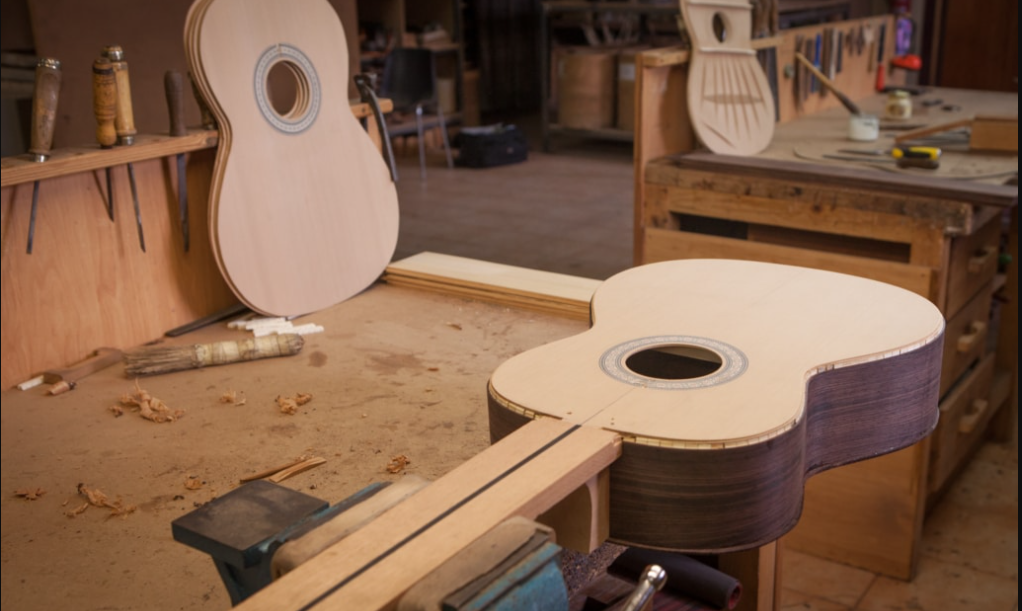
Factory guitars grab from bulk bins of spruce or mahogany, but custom luthiers hunt rare slabs with perfect grain and tap-test for resonance, crafting voices no machine can replicate. A fingerstylist’s cedar top might glow warm for nuanced picking, while a shredder’s maple neck snaps with clarity for leads. This selective sourcing ensures balanced projection across octaves, free from the wolf tones or unevenness plaguing standardized builds, turning every note into a personal expression.
Ergonomic Design Tailored to Your Hands
Playability soars with custom necks shaped to your grip—slender for speed or chunky for control—unlike factory one-size-fits-most profiles that breed fatigue. Fretboard radii, nut widths, and scale lengths adjust for your technique, whether classical sprawl or metal chording, with precise fretwork eliminating buzz forever. Players rave about how these refinements make complex passages feel intuitive, a luxury factories sacrifice for speed and cost.
Superior Build Quality and Longevity
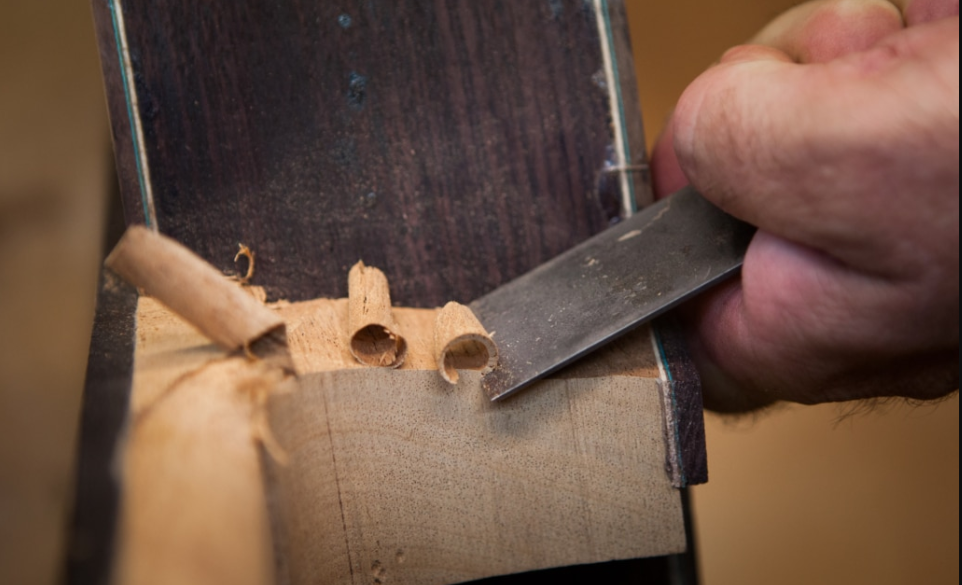
Handcrafted joinery, from dovetailed necks to hide-glued braces, outlasts factory staples glued under pressure and finished with plastic resins. Custom guitars breathe through thin French polishes or nitrocellulose, preserving vibration unlike thick poly coats that deaden tone over time. This meticulous construction resists warping in humid tours or dry winters, ensuring decades of reliable performance where factory models might need costly refrets by year ten.
Unique Tonal Voicing and Response
Custom guitars voice custom tops by graduating thicknesses and sculpting braces—fan for classical bloom, lattice for modern punch—dialing in sustain, attack, and harmonics to your genre. Factory bracing follows cookie-cutter patterns, yielding predictable but bland tones lacking character. The result? A custom axe sings with personality, responding to light touches or heavy digs in ways that inspire creativity and confidence on stage.
Customization for Genre-Specific Demands
Rockers commission high-output humbuckers wired for coil-splitting, while jazzers get warm P-90s in semi-hollow bodies; factories offer limited swaps at premium upsells. Flamenco enthusiasts spec cypress for snap and golpeador guards, blues players aged necks for vintage feel—options blending tradition with innovation. This flexibility crafts genre-perfect tools, amplifying strengths factory lines dilute to appeal broadly.
Investment Value Over Time
Custom guitars appreciate like fine art, reselling for premiums as players upgrade, unlike factories that depreciate quickly in used markets. Commissioning from renowned builders like Santa Cruz or Collings builds equity, with waiting lists signaling demand. Owners cherish the story—your input immortalized—fostering emotional bonds absent in anonymous mass-productions, often passed down generations.
Artisanal Craftsmanship and Exclusivity
Each custom bears the luthier’s mark, a handmade hallmark of sweat and skill from bending sides over heat to hand-rubbing finishes, evoking pre-industrial artistry. No two alike, they spark conversation and envy, elevating your presence among peers. Factories prioritize volume, stripping soul for profit, but customs celebrate individuality, rewarding patience with instruments that feel alive and irreplaceable.