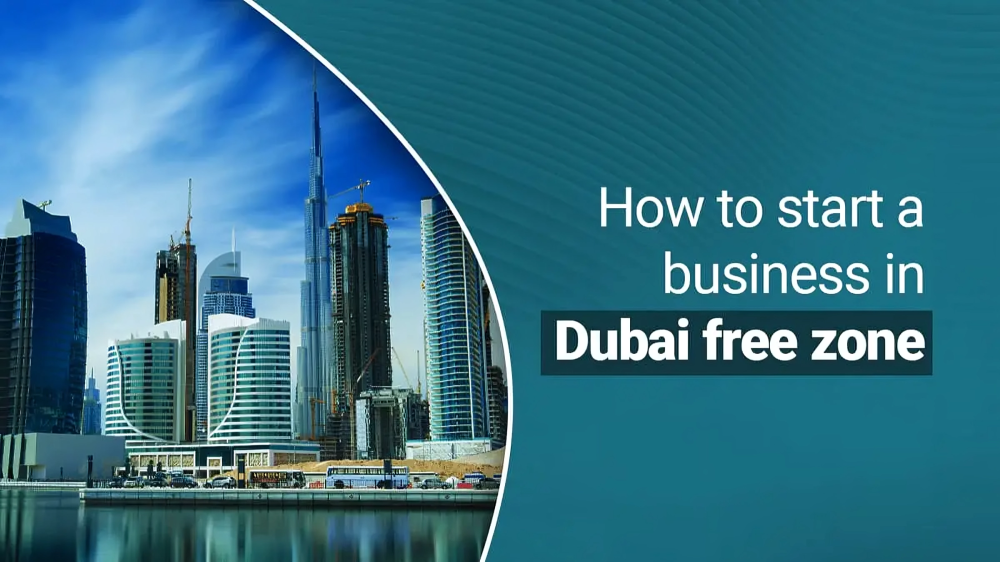
The UAE has built one of the most flexible business ecosystems in the world, allowing professionals and entrepreneurs to move, grow, and restructure their businesses as opportunities evolve. With more than 40 free zones across the country, it is common for individuals to shift their business base from one free zone to another due to cost, location, industry focus, or expansion needs.
One of the most common concerns during this transition is how to legally transfer a residence visa without complications, overstays, or unnecessary expenses. While the process is regulated, it is entirely manageable when approached with proper planning and documentation. Understanding the steps involved can save time, money, and stress, especially for business owners and skilled professionals.
This guide explains the complete process of transferring a residence visa from one free zone to another in a clear and practical manner, helping you make informed decisions and avoid common mistakes.
Understanding Residence Visas in UAE Free Zones
A UAE residence visa issued by a free zone is directly linked to the company that sponsors the individual. This sponsorship establishes the legal right to live and work in the country under that specific free zone authority. When a person decides to move to another free zone, the original visa cannot simply be reused or transferred automatically.
The transfer process involves canceling or modifying the existing sponsorship and issuing a new visa under the new free zone entity. This is often connected to changes in employment, business ownership, or restructuring of operations. Understanding this relationship between visas and sponsorship is the foundation of a smooth transition.
For individuals involved in free zone company setup, this understanding becomes even more critical, as visa eligibility, renewal timelines, and sponsor obligations are tightly linked to the company’s legal status and activity.
Reasons for Transferring a Residence Visa Between Free Zones
People choose to move their residence visas between free zones for various practical and strategic reasons. Some businesses outgrow their original free zone and require better infrastructure or industry-specific benefits. Others move to reduce operational costs, access new markets, or align with regulatory requirements.
In some cases, professionals change employers within the free zone ecosystem, while entrepreneurs relocate their company to a jurisdiction that offers more flexibility for future expansion. Visa transfers also occur when shareholders restructure ownership or consolidate multiple entities under a single free zone.
Regardless of the reason, the UAE allows such transitions as long as legal procedures are followed correctly.
Types of Visa Transfers Allowed
Not all visa transfers follow the same route. The method depends on whether the individual is an employee, investor, partner, or dependent. Some free zones allow in-country visa transfers without exit, while others may require temporary cancellation followed by re-issuance.
Investor visas linked to company ownership may require additional documentation such as share certificates or updated trade licenses. Employment visas involve coordination between the previous employer and the new free zone authority.
This is where experienced business setup consultants in dubai often play a crucial role, as they understand which free zones allow seamless transfers and which ones require exit permits or additional approvals.
Step-by-Step Process to Transfer a Residence Visa
The process usually begins with obtaining a no-objection certificate or cancellation approval from the current free zone. This confirms that the sponsoring company has no objection to releasing the visa. Any outstanding fines, license renewals, or employee dues must be cleared before moving forward.
Once the current visa status is approved for cancellation or transfer, the new free zone initiates the visa application process. This includes entry permit issuance, medical fitness testing, Emirates ID registration, and visa stamping.
Timing is critical during this phase. Overstaying even by a day can lead to fines, so coordinating cancellation and new visa issuance within the permitted grace period is essential.
Medical Test and Emirates ID Considerations
In many cases, a fresh medical test is required, even if the existing visa is still valid. The UAE authorities require updated health records to ensure compliance with public health standards.
Emirates ID registration may also need to be updated or reissued, depending on the transfer method and the duration of the previous visa. While this may seem repetitive, it ensures that all records remain accurate and linked to the new sponsoring entity.
Planning these steps in advance reduces downtime and avoids delays in employment or business operations.
Costs Involved in Visa Transfer
The cost of transferring a residence visa varies depending on the free zones involved, visa type, and whether the transfer is done in-country or requires exit. Fees typically include visa cancellation charges, new entry permit fees, medical test costs, Emirates ID fees, and visa stamping charges.
Some free zones offer bundled packages that reduce overall costs, especially for investors or business owners transferring multiple visas. Understanding the full cost breakdown upfront helps avoid surprises and allows for better budgeting.
Although the process involves expenses, it is often more cost-effective than canceling a visa and reapplying after leaving the country.
Common Challenges and How to Avoid Them
One of the most common challenges is misunderstanding the grace period after visa cancellation. Different visa categories have different grace periods, and missing these deadlines can result in fines or travel restrictions.
Another issue arises when companies attempt to transfer visas without clearing outstanding compliance requirements, such as expired licenses or unpaid penalties. This can halt the process midway and cause unnecessary delays.
Clear communication between the old and new free zones, along with accurate documentation, is the best way to avoid these challenges.
Role of Planning in a Smooth Transfer
Successful visa transfers are rarely last-minute decisions. Planning ahead allows individuals to align visa cancellation dates with new approvals, minimizing downtime and financial impact.
It is also important to consider how the transfer affects dependents. Family visas sponsored under the primary visa holder may also need to be transferred or updated accordingly.
Early planning ensures that business operations, employment contracts, and personal commitments continue without disruption.
FAQs
Can I transfer my residence visa without leaving the UAE?
In many cases, yes. Several free zones allow in-country visa transfers, but this depends on the visa type and the policies of the free zones involved.
How long does the visa transfer process take?
The process typically takes one to three weeks, depending on approvals, documentation, and medical test scheduling.
Will my visa validity remain the same after transfer?
No. A new visa is issued under the new free zone, usually with a fresh validity period.
Can dependents be transferred along with the main visa?
Yes, but dependent visas usually require separate applications after the main visa is issued.
Is it mandatory to cancel the old visa before applying for a new one?
In most cases, yes. However, some free zones offer internal transfer options that streamline the process.
Final Words
Transferring a residence visa from one free zone to another in the UAE is a structured process that offers flexibility to professionals and entrepreneurs seeking better opportunities. While the steps may appear complex at first, they become manageable with proper understanding and preparation.The key to a smooth transfer lies in timing, documentation, and compliance awareness. Whether you are relocating your business, changing employers, or restructuring your operations, following the correct legal process ensures continuity and peace of mind.With the UAE’s supportive business environment and clear regulatory framework, visa transfers between free zones are not obstacles but gateways to growth when handled strategically and professionally.