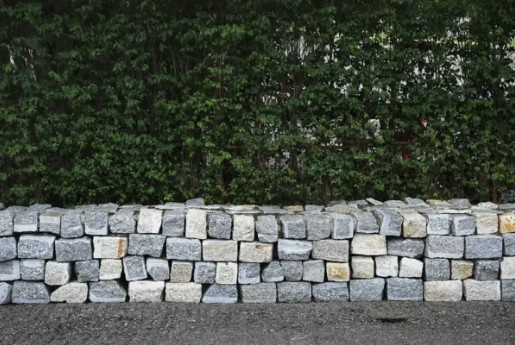
Building retaining wall stairs is a smart way to combine functionality and design in sloped outdoor areas. When planned and constructed correctly, a retaining wall and stairs system improves accessibility, prevents soil erosion, and enhances the overall look of your landscape. At Trinityls, we specialize in durable, visually appealing outdoor structures designed to stand the test of time.
Why Combine Retaining Walls and Stairs?
A retaining wall on its own stabilizes soil, but when you add stairs, you transform an otherwise difficult slope into a usable and attractive space. Retaining wall stairs are ideal for gardens, backyards, commercial landscapes, and sports facilities where elevation changes must be managed safely.
Key Benefits of Retaining Wall Stairs
- Improved safety on sloped terrain
- Better drainage and erosion control
- Increased property value
- Seamless landscape design
By integrating stairs directly into the wall, you maintain structural integrity while creating a smooth flow between different levels.
Planning a Retaining Wall and Stairs Project
Proper planning is critical before construction begins. A poorly designed retaining wall and stairs system can lead to drainage issues, instability, and costly repairs.
Site Assessment and Measurements
Start by evaluating the slope, soil condition, and intended use of the stairs. Measure the total rise and run to determine how many steps are required and how the retaining wall will support them.
Choosing the Right Materials
Concrete blocks, natural stone, and treated timber are popular options for retaining wall stairs. The right material depends on load requirements, aesthetic goals, and long-term durability. Trinityls recommends high-quality materials that resist weathering and ground movement.
Step-by-Step Guide to Building Retaining Wall Stairs
Excavation and Foundation Preparation
Excavate the area to create a solid base. A compacted gravel foundation is essential to support both the retaining wall and stairs, ensuring long-term stability.
Base Layer Installation
Install a level base layer using crushed rock. This prevents shifting and provides proper drainage beneath the retaining wall stairs.
Constructing the Retaining Wall
Begin laying the retaining wall blocks from the lowest point of the slope. Each layer should be level and securely locked into place. The wall must be strong enough to support both soil pressure and foot traffic on the stairs.
Integrating the Stairs
Build the stairs as you progress upward with the wall. Each step should have consistent rise and tread depth for safety and comfort. This integration ensures the retaining wall and stairs function as one cohesive structure.
Drainage Considerations
Install drainage pipes or gravel backfill behind the wall to prevent water buildup, which is one of the most common causes of retaining wall failure.
Design Tips for Long-Lasting Retaining Wall Stairs
Focus on Safety and Compliance
Ensure stair dimensions meet local building codes. Non-slip surfaces and proper lighting further improve safety, especially in high-traffic areas.
Enhance Visual Appeal
Retaining wall stairs can be both practical and stylish. Use contrasting materials, curved designs, or integrated landscaping to create a standout feature.
Low-Maintenance Landscaping
Add plants or turf around the retaining wall and stairs to soften the structure while keeping maintenance minimal.
Why Choose Trinityls for Retaining Wall and Stairs Construction?
At Trinityls, we bring expert craftsmanship and proven techniques to every project. Our team understands the engineering behind safe retaining wall stairs and delivers solutions that balance strength, functionality, and design.
Whether you need guidance on how to build steps into a retaining wall or want a professional installation, Trinityls ensures results that last for years. Visit https://trinityls.com.au/how-to-build-steps-into-a-retaining-wall/ to learn more and get started on your next landscaping project.