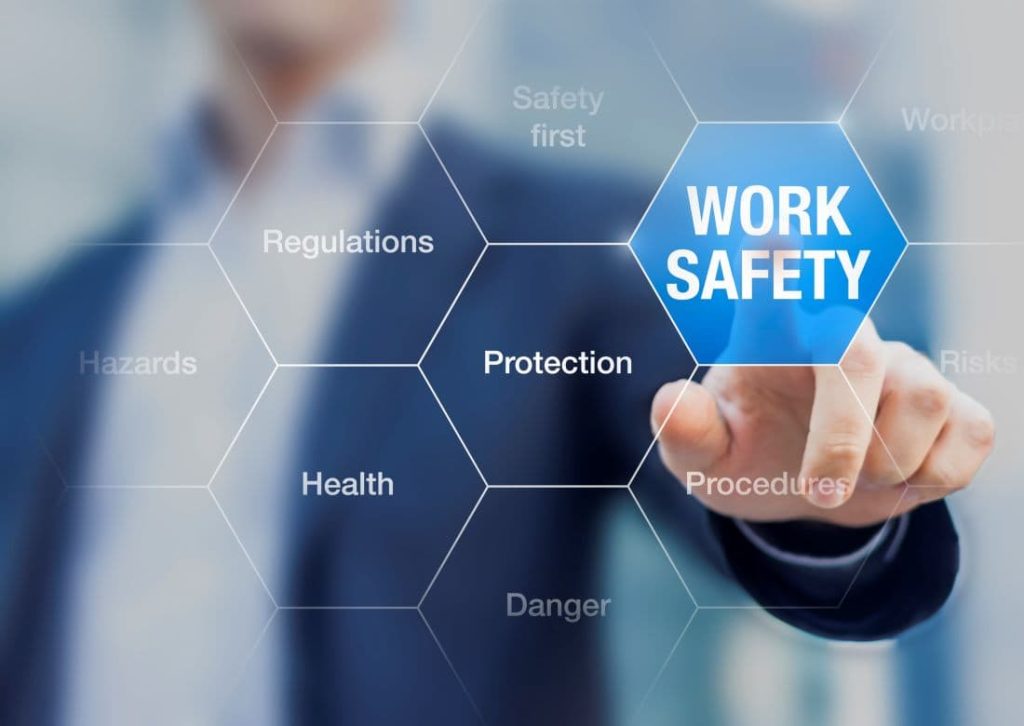
Ensuring a workplace meets all safety standards is critical for protecting employees, avoiding legal penalties, and maintaining productivity. Organizations must adopt systematic strategies and professional guidance to uphold these standards consistently. Safety Management Services provide structured solutions for evaluating workplace risks, implementing policies, and monitoring compliance. Establishing a clear safety plan, training employees, maintaining equipment, and promoting a safety-first culture are essential steps for any organization striving to meet regulatory requirements and create a secure work environment.
Conducting a Comprehensive Safety Audit
A safety audit serves as the foundation for identifying potential hazards and areas of non-compliance within a workplace. Organizations should evaluate every aspect of their operations, including machinery, workflow processes, and emergency preparedness. Audits involve thorough inspections, documentation of risks, and development of corrective actions to align with regulatory standards.
- Review of all equipment and machinery for safety compliance
- Inspection of fire safety measures and emergency exits
- Evaluation of employee adherence to safety protocols
- Documentation of identified risks and recommended improvements
Implementing Clear Safety Policies and Procedures
Well-defined safety policies and procedures provide employees with clear expectations and instructions on handling workplace hazards. Written guidelines should cover equipment operation, hazard reporting, emergency protocols, and proper use of personal protective equipment. Regular communication of these policies ensures all employees understand their responsibilities, while management oversight guarantees consistent enforcement. Comprehensive policies create accountability and reduce the likelihood of accidents or legal violations, forming a reliable framework for workplace safety.
Employee Training and Awareness Programs
Training programs are critical for equipping employees with the knowledge and skills necessary to maintain a safe work environment. Effective training focuses on both general workplace safety and specific operational risks related to job functions. Awareness initiatives foster proactive behavior, encouraging employees to identify and report hazards promptly.
- Regular workshops on equipment handling and operational hazards
- Emergency response drills for fire, chemical, or medical incidents
- Training on reporting hazards and near-miss incidents
- Continuous updates on regulatory changes and compliance requirements
Regular Inspections and Maintenance
Routine inspections and preventive maintenance play a vital role in reducing workplace accidents and ensuring equipment reliability. Scheduled checks identify early signs of wear, malfunction, or unsafe conditions, allowing organizations to address issues before they escalate. Maintenance programs for machinery, electrical systems, and safety equipment help prevent failures that could compromise employee safety. Systematic inspections paired with thorough maintenance records demonstrate compliance during regulatory reviews and foster a safer work environment.
Monitoring and Reporting Safety Compliance
Continuous monitoring and reporting are necessary to verify that safety standards are consistently applied. Organizations should maintain logs of safety incidents, equipment inspections, and policy adherence. Internal audits and performance reviews provide insight into potential gaps, while external inspections ensure alignment with legal requirements. Effective reporting systems encourage transparency and accountability, enabling management to act promptly on identified concerns and maintain ongoing compliance with safety regulations.
Creating a Safety-First Culture
A culture that prioritizes safety reinforces positive behavior across all levels of an organization. Leaders set the tone by modeling safe practices, recognizing employees who follow procedures, and addressing unsafe behavior promptly. Encouraging open communication about hazards, near misses, and safety suggestions motivates employees to participate actively in maintaining a secure environment. A safety-first culture transforms policies into daily practices, reducing risks and ensuring that workplace safety becomes an integral part of organizational operations rather than a set of isolated rules.
Continuous Improvement and Adaptation
Workplace safety is not static; regulations, technology, and operational processes evolve over time. Continuous improvement involves reviewing policies, analyzing incident reports, and adopting new safety measures to meet updated standards. Organizations should regularly benchmark their safety programs against industry best practices, refine training sessions, and update procedures to reflect changes in compliance requirements. This adaptive approach ensures long-term effectiveness and demonstrates a proactive commitment to protecting employees while minimizing potential liabilities.
Conclusion
Meeting all workplace safety standards requires a structured approach that includes audits, clear policies, employee training, inspections, monitoring, a safety culture, and continuous improvement. Implementing these steps with professional support, such as Safety Management Services, provides organizations with the expertise and systems needed to maintain compliance and safeguard employees. A disciplined approach to safety not only reduces accidents and injuries but also strengthens productivity, boosts employee confidence, and ensures regulatory adherence. Businesses that prioritize workplace safety build a resilient foundation for operational success while fostering a secure and reliable work environment.
FAQs
What is the role of a safety audit in workplace compliance?
A safety audit identifies potential hazards, evaluates risk levels, and highlights areas for improvement, ensuring the organization meets safety standards effectively.
How often should employee safety training be conducted?
Regular training sessions should occur at least annually, with additional sessions scheduled when new equipment, processes, or regulations are introduced.
What steps help create a safety-first culture in the workplace?
Leadership modeling safe practices, implementing recognition programs, promoting open communication about hazards, and involving employees in safety initiatives foster a strong safety culture.
Why is continuous improvement necessary for workplace safety?
Continuous improvement allows organizations to adapt to regulatory changes, implement better safety practices, and address emerging risks to maintain a secure environment.