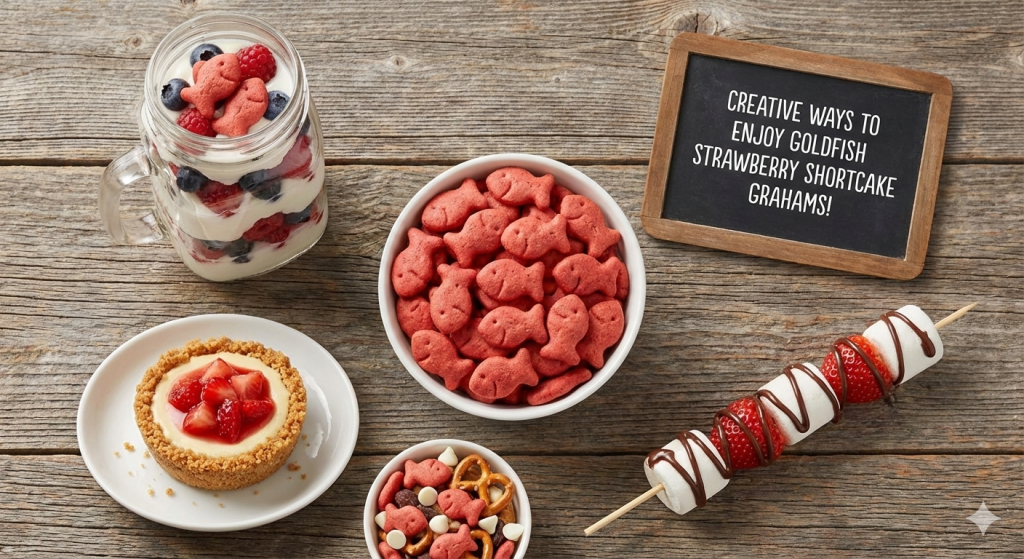
Walk down any grocery aisle today and you’ll notice a clear pattern: snacks are getting smaller.
From tiny sandwich cookies to bite-sized cheese crackers, mini cookies and crackers are everywhere. Once seen primarily as children’s snacks, these compact treats are now dominating lunchboxes, office drawers, vending machines, and even gourmet snack boxes.
But this isn’t just about size. The rise of mini cookies and crackers reflects a major shift in consumer behavior, lifestyle habits, portion control awareness, and packaging innovation.
So why are bite-sized snacks taking over the snack industry? Let’s explore the trends, psychology, and market forces driving this mini revolution.
A Shift in How We Snack
Snacking has evolved dramatically over the past decade.
Traditionally, people followed three main meals a day. Today, eating patterns are more flexible. Many consumers prefer:
- Smaller, more frequent meals
- Grab-and-go convenience
- Portable options
- Controlled portions
- Variety in a single day
Mini cookies and crackers align perfectly with this shift. They support grazing habits without committing to large servings.
In a fast-paced world where multitasking is the norm, snacks must adapt — and smaller formats fit modern life seamlessly. easy snack for kids
Convenience Culture Is Driving the Trend
Convenience has become one of the most powerful forces in the food industry.
Busy schedules mean consumers want snacks that are:
- Ready to eat
- Easy to pack
- Easy to share
- Shelf-stable
- Mess-free
Mini cookies and crackers check every box.
Whether tossed into a gym bag, packed in a school lunchbox, or stored in a desk drawer, bite-sized snacks offer portability without preparation. That level of convenience is invaluable for families, students, and professionals alike.
Portion Control and Mindful Eating
Another major driver behind the rise of mini snacks is increasing awareness around portion control.
Consumers are more health-conscious than ever. While many still enjoy sweet and savory treats, they are also more mindful about how much they consume.
Mini cookies and crackers naturally encourage moderation because:
- They’re often packaged in smaller servings
- They’re easier to count
- They reduce “mindless” overconsumption
Instead of finishing a large cookie out of habit, someone may enjoy a handful of mini cookies and feel satisfied.
This shift reflects a broader wellness trend: balance rather than restriction.
The Psychology of Bite-Sized Foods
There’s something uniquely appealing about mini foods.
Psychologically, smaller portions often feel:
- Less intimidating
- More playful
- More indulgent without guilt
- Easier to justify
Studies in consumer behavior suggest that smaller items can create a perception of control. People feel they can “have just a few,” even if they end up eating several.
Additionally, mini snacks offer a sensory advantage. Each bite feels intentional. The repetitive action of eating multiple small pieces can create a satisfying experience.
For children, bite-sized foods feel fun. For adults, they feel manageable.
That dual appeal broadens the audience dramatically. Are Goldfish Crackers Are Banned in Europe?
Social Media’s Influence on Snack Trends
Visual appeal plays a powerful role in food marketing — especially in the age of social media.
Mini cookies and crackers photograph well. They look:
- Cute
- Shareable
- Aesthetically pleasing
- Easy to style in lunchbox layouts or snack boards
Platforms like Instagram and Pinterest have popularized snack boards, bento-style lunchboxes, and visually organized meal prep.
Mini snacks are ideal for these formats because they fit neatly into compartments and create visually balanced arrangements.
The result? Increased consumer interest driven by digital exposure.
Single-Serve Packaging and On-the-Go Lifestyles
Packaging innovation has fueled the mini snack boom.
Single-serve packs offer:
- Portion clarity
- Freshness control
- Travel convenience
- Reduced food waste
For busy families, these benefits simplify snack time decisions. For brands, single-serve packaging often increases purchase frequency and shelf appeal.
While some consumers are concerned about packaging waste, many brands are now exploring recyclable materials and sustainable options to meet growing environmental expectations.
Appeal Across Age Groups
Mini cookies and crackers are no longer limited to children.
For Kids:
- Easier to handle
- Less messy
- Portion-friendly
- Fun shapes and designs
For Teens:
- Easy to pack in backpacks
- Quick energy between classes
For Adults:
- Office-friendly snacks
- Portion-controlled indulgence
- Convenient travel companions
For Seniors:
- Easier to chew
- Smaller portions feel more comfortable
The wide appeal across demographics contributes significantly to market growth.
The Role of Health-Conscious Consumers
Health awareness doesn’t mean eliminating snacks. Instead, many consumers are choosing “better-for-you” formats.
Mini cookies and crackers allow brands to:
- Offer reduced-sugar versions
- Create whole-grain alternatives
- Introduce protein-enhanced options
- Experiment with plant-based ingredients
Because the serving size is smaller, calorie counts per pack often appear more manageable — making them attractive to label-conscious shoppers.
The result is a win-win: indulgence meets moderation.
Economic and Retail Advantages
From a retail perspective, mini snacks offer strategic advantages:
- Higher perceived value in multi-pack formats
- Strong impulse-buy potential
- Attractive checkout counter placement
- Versatile display options
Mini cookies and crackers often come in colorful packaging that stands out on shelves. Their compact size allows retailers to maximize space and encourage quick purchases.
For brands, bite-sized formats also allow product line extensions without fully reinventing recipes — simply scaling down existing products into mini versions.
Snack Boards and Entertaining Culture
Another factor behind the rise of mini cookies and crackers is the growing popularity of snack boards.
Charcuterie-style boards have expanded beyond cheese and meats to include:
- Mini cookies
- Mini crackers
- Bite-sized sweets
- Small savory snacks
Entertaining culture has shifted toward casual gatherings and visually impressive food displays. Mini snacks are perfect for this trend because they offer variety without requiring slicing or preparation.
Hosts can simply open and arrange — no cutting needed.
Customization and Variety
Mini snacks support variety in ways full-sized snacks cannot.
Instead of committing to one large cookie flavor, consumers can enjoy multiple mini flavors in a single sitting. This satisfies cravings for diversity without excessive portions.
Variety packs featuring mini cookies and crackers are especially popular because they offer:
- Flavor experimentation
- Family-friendly sharing
- Balanced sweet-and-savory options
In a world where consumers crave personalization, variety is powerful.
The Rise of Functional Snacking
The snack industry is moving beyond taste and convenience into functionality.
Brands are increasingly exploring mini snack formats that include:
- Added fiber
- Protein boosts
- Reduced sugar
- Organic ingredients
- Gluten-free options
Mini cookies and crackers fit perfectly into this trend because smaller servings make nutritional enhancements more approachable.
Consumers can enjoy a treat while still feeling aligned with their wellness goals.
Are Mini Snacks Just a Passing Trend?
All signs suggest that mini cookies and crackers are more than a temporary fad.
They align with multiple long-term trends:
- Busy lifestyles
- Mindful eating
- Portion control awareness
- Visual social media culture
- Flexible meal patterns
- Demand for convenience
When a product category intersects with several enduring lifestyle shifts, it tends to stay.
Mini snacks are not replacing traditional formats — they’re expanding options.
Potential Downsides to Consider
While the rise of mini snacks is largely positive, there are considerations:
- Packaging waste concerns
- Risk of eating multiple small servings
- Higher cost per ounce compared to bulk sizes
However, many consumers are willing to pay slightly more for the convenience and portion benefits mini snacks provide.
What the Future Holds
The future of mini cookies and crackers likely includes:
- More sustainable packaging
- Cleaner ingredient labels
- Enhanced nutritional profiles
- International flavor inspirations
- Direct-to-consumer subscription snack boxes
As consumer expectations evolve, mini formats will continue adapting.
Innovation won’t just focus on size — it will focus on experience.
Final Thoughts
The rise of mini cookies and crackers is not accidental. It reflects deep changes in how people live, eat, shop, and share food experiences.
These bite-sized snacks offer:
- Built-in portion control
- On-the-go convenience
- Multi-generational appeal
- Social media-friendly presentation
- Flexible pairing options
They fit perfectly into modern life — where balance, portability, and mindful indulgence matter more than ever.
As the snack industry continues to evolve, one thing is clear:
Sometimes, smaller really is smarter.
Mini cookies and crackers have moved beyond being just a kid-friendly option — they’ve become a defining symbol of the modern snacking era.