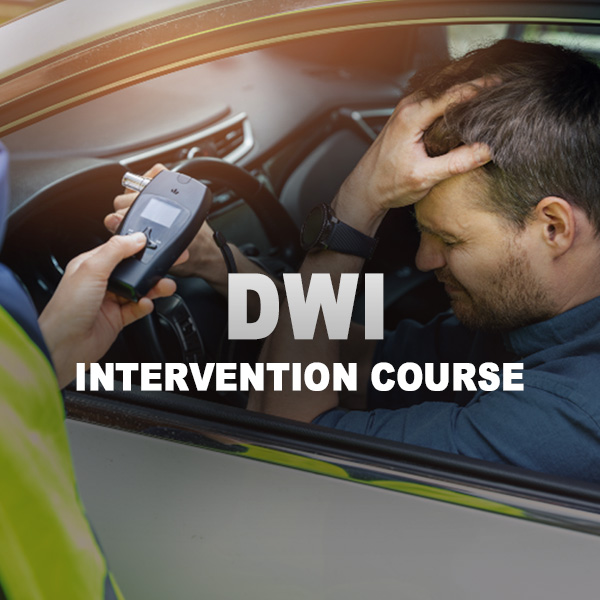
Driving while drunk (DWI) is a very bad crime that puts the driver’s life in danger and the lives of other people on the road as well. Driving while drunk or high has serious legal and social consequences. But a lot of people who get caught driving while drunk are given the chance to go to intervention classes. The goal of these classes is to teach and help criminals change their behavior so that they can avoid future problems.
What DWI Intervention Classes Are For
The main goal of the DWI intervention class is to help people who have been caught driving while drunk understand the dangers of doing so and encourage them to change their behavior. When someone is convicted of DWI, they often have to take these classes as part of their punishment. The classes are meant to make people who go aware of how drugs and alcohol affect their driving skills and the bigger effects of their actions. The classes aren’t just about punishing people who break the law; they’re also about helping them get better so they don’t do it again. They do this by dealing with the reasons why people drive while drunk.
Intervention classes try to change people’s behavior for good by teaching them about the risks of using drugs and alcohol. Participants are urged to contemplate the consequences of their actions, both for themselves and for those in their vicinity. This sense of responsibility is very important for changing how they feel about drinking and driving.
How DWI Intervention Classes Are Set Up and What They Teach
DWI intervention classes are designed to be complete and interactive, with a focus on both learning and self-reflection. Most programs last for several weeks and have several sessions, but the length of the program may change depending on how serious the crime was. Most of the time, these sessions are planned for one or two times a week, which gives people time to process and think about the material in small amounts.
There are a lot of important things that DWI intervention programs talk about. One of the main goals is to teach people about the mental and physical effects of drugs and alcohol. The program talks about how even small amounts of alcohol can make it harder to make decisions, slow down your reactions, and mess up your coordination, all of which are important for safe driving. Participants learn about the direct effects of impaired driving through a mix of lectures, videos, and discussions. This helps them understand how dangerous it is for themselves and other people on the road.
Another important part of these programs is thinking about yourself. Participants are urged to contemplate the reasons behind their decision to drive under the influence and to consider how they can assume accountability for their behavior. This process of reflection helps people realize the damage they may have done, whether it was to themselves, their passengers, or people who weren’t involved. Participants can share their experiences and listen to others through group discussions and activities. This helps them feel responsible.
DWI intervention classes also teach people who have been convicted of DWI about the legal and financial effects of their crime. These classes stress how a DWI can affect a person’s life in the long run, such as losing their driving privileges, paying large fines, or even going to jail. Participants learn more about how serious their crime is and are more likely to make good choices in the future when they know what the penalties could be.
The classes also teach ways to avoid problems. People who have been convicted of DWI are given tools to help them avoid getting behind the wheel again, like learning how to tell when they are too drunk to drive and finding out about other ways to get around, like taxis or rideshare services. These hands-on lessons help people get ready for times when they might want to drive while drunk by giving them the information they need to make better decisions.
How DWI intervention classes affect people
DWI intervention classes have been shown to work very well at lowering the rates of repeat offenders. For a lot of people, these classes are a wake-up call that makes them face the results of their actions. The classes give people a chance to make up for their mistakes and move on with a greater sense of responsibility. For some, the lessons learned could change their lives by making them rethink how they drink and drive.
These classes help keep the community safe on a larger scale. DWI intervention programs help lower the number of alcohol-related accidents, injuries, and deaths by lowering the number of repeat offenders and encouraging safe driving. The education offered in these programs is advantageous not only for the individual participants but also for society at large.
Final Thoughts
DWI intervention class are a very important part of the justice system’s efforts to stop drunk driving. They don’t just punish; they also teach and help people get better. These programs are meant to stop people from driving while drunk or high in the future by teaching them more about the risks of drugs and alcohol, encouraging them to take responsibility for their actions, and giving them useful tips for avoiding driving while impaired. For people who really pay attention in these classes, they can change their lives and become more responsible drivers, which makes the roads safer for everyone.