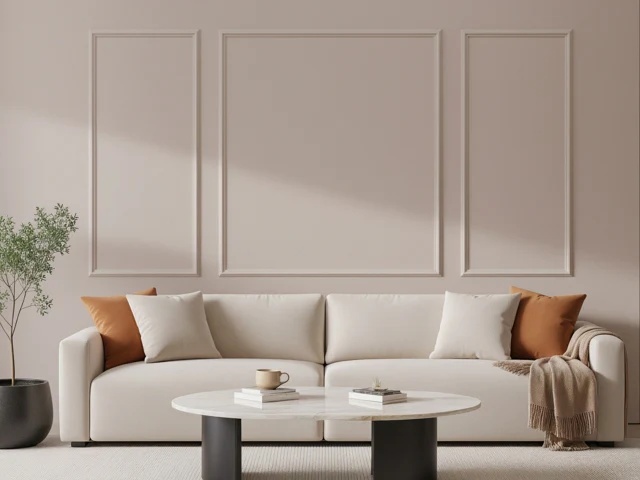
There was a time when improving a room’s acoustics meant sacrificing style for function. Soundproofing materials were utilitarian at best, often resembling the interior of a recording studio rather than a thoughtfully designed home. Those days are firmly behind us. Today’s acoustic panels have undergone a remarkable transformation, evolving into sophisticated design elements that enhance both the auditory experience and visual appeal of your living spaces. Whether you live in a bustling city apartment where outside noise penetrates thin walls, have a home theater that needs proper sound management, or simply want to reduce echo in an open-concept living area, modern acoustic panels offer solutions that work beautifully. They absorb unwanted sound, clarify conversations, reduce stress from noise pollution, and do it all while adding texture, color, and architectural interest to your walls. The result is a home that sounds as good as it looks.
Understanding How Acoustic Panels Work
To appreciate what acoustic panels can do for your space, it helps to understand the basic principles of sound management. Sound travels in waves, bouncing off hard surfaces like bare walls, floors, and ceilings, creating echoes and reverberation that can make rooms feel noisy and chaotic. Acoustic panels work by absorbing these sound waves rather than reflecting them back into the room. Most panels are constructed from porous materials like compressed mineral wool, acoustic foam, or polyester fibers that trap sound energy within their structure, converting it to small amounts of heat through friction. This absorption reduces reverberation time, making speech clearer, music more defined, and overall noise levels more comfortable. It is important to distinguish between sound absorption and soundproofing, as they address different issues. Acoustic panels primarily manage sound within a room, reducing echo and improving clarity. True soundproofing, which prevents sound from traveling between rooms, typically requires more extensive construction. However, strategically placed acoustic panels can contribute to a quieter, more peaceful home environment by managing the sound that is already there.

Design Evolution: From Utility to Style
The aesthetic transformation of acoustic panels represents one of the most exciting developments in modern interior design. Early acoustic treatments were purely functional, offering limited color options and industrial appearances that relegated them to professional studios and commercial spaces. Today’s panels are designed with style as a primary consideration, available in an extensive range of colors, shapes, and finishes that complement any decor. You can choose panels wrapped in premium fabrics that add softness and texture to your walls, creating a look that is more akin to textile art than sound treatment. Geometric shapes allow for creative arrangements that become focal points in themselves, whether arranged in orderly grids or free-form compositions. Some manufacturers offer custom printing services, allowing you to turn acoustic panels into canvases for artwork, photography, or branded graphics. Wood veneer options bring natural warmth to spaces, while sleek monochromatic panels suit minimalist interiors. This design evolution means you no longer have to hide acoustic treatments or compromise your aesthetic vision to achieve better sound.
Strategic Placement for Maximum Effect
Getting the most from your acoustic panels requires thoughtful placement based on how sound behaves in your specific space. In rooms where you primarily want to reduce echo and improve speech clarity, focus on the walls that receive the most direct sound reflections. In home theaters or media rooms, the wall behind the primary seating area and the wall opposite the speakers typically benefit most from acoustic treatment. For music listening rooms, consider placing panels at the first reflection points, the spots on side walls where sound from your speakers bounces directly toward the listening position. A simple method to find these points involves sitting in your listening position while a friend moves a mirror along the wall, marking spots where you can see the speaker reflected. In open-concept living areas, panels can help define zones by reducing sound travel between different functional areas. Ceiling-mounted panels prove particularly effective in rooms with hard flooring or high ceilings, where sound reflections from above contribute significantly to reverberation. Taking time to consider placement ensures your investment delivers the acoustic improvement you desire.
Types of Acoustic Panels for Different Needs
The variety of acoustic panel types available today allows you to match the solution to your specific situation. Fabric-wrapped panels represent the most common and versatile option, consisting of an acoustic core covered in decorative fabric. They offer excellent sound absorption across a wide frequency range and come in countless colors and fabrics to suit any decor. Acoustic foam panels, characterized by their distinctive wedge or pyramid shapes, provide effective absorption, particularly for mid and high frequencies. They are lightweight and easy to install, making them popular for home studios and media rooms. Perforated wood panels combine natural beauty with acoustic function, using small holes or slots to allow sound to reach an absorbing backing material. These panels add warmth and sophistication to spaces while managing sound effectively. PET felt panels, made from recycled plastic bottles, offer an eco-friendly option with a unique textile appearance and excellent acoustic properties. Bass traps, specialized panels placed in corners, address low-frequency sound buildup that standard panels cannot manage effectively. Understanding these options helps you select the right combination for your space and needs.
Installation Methods for Every Skill Level
Installing acoustic panels has become increasingly accessible, with options suited to every DIY comfort level. Many panels come with simple mounting hardware that allows for secure attachment to walls without specialized tools. Adhesive mounting strips offer a renter-friendly option that holds panels securely while allowing for clean removal later. For heavier panels or permanent installations, Z-clips or French cleats provide robust support while allowing panels to be removed easily if needed. Some manufacturers offer magnetic mounting systems that make panel placement and rearrangement particularly simple. Before installing, carefully measure and mark your planned panel positions, using a level to ensure everything remains straight and aligned. Consider the overall composition you want to create, whether a symmetrical grid, an asymmetric arrangement, or a scattered pattern that reads as intentional design. Take time to step back and assess the layout before committing to final placement. The installation process itself typically moves quickly, allowing you to transform both the acoustics and appearance of your room in a single afternoon.
Combining Acoustic Treatment with Other Wall Elements
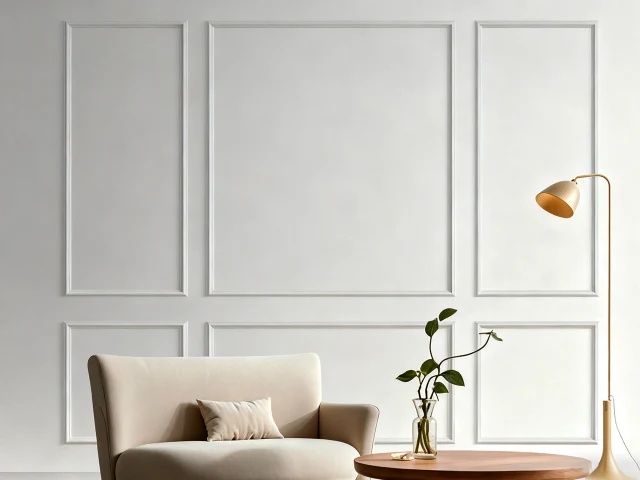
One of the most exciting aspects of modern acoustic panels is how beautifully they integrate with other wall treatments and design elements. In rooms with existing molding or trim, panels can be arranged to complement these architectural features rather than competing with them. Consider installing panels within picture frame moldings, where they add softness and acoustic benefit while respecting the room’s existing character. In spaces with board and batten or wainscoting, panels placed above the chair rail create a textural contrast that enhances the overall design. Some homeowners combine acoustic panels with floating shelves or wall-mounted lighting, creating layered compositions that serve multiple functions. The fabric surfaces of many panels provide excellent backdrops for artwork, which can be hung directly on the panels or arranged around them. For a truly integrated look, consider having panels custom-made to match your wall color exactly, allowing them to disappear visually while working acoustically. Alternatively, choose bold colors or shapes that make the panels themselves the focal point, turning functional necessity into design opportunity. Whichever approach you take, modern acoustic panels prove that sound management and style can coexist beautifully, creating homes that please both the ears and the eyes.