


There is a reason why wainscoting has endured for centuries as a hallmark of refined interiors. It speaks to a time when craftsmanship was valued and homes were built with care and intention. Today, elegant wainscoting panels continue to hold that same power. They have the ability to transform an ordinary room into something special, adding a layer of architectural interest that feels both timeless and luxurious. Whether you are renovating a historic property or infusing a new build with character, wainscoting offers a proven path to elegance. It grounds a room, protects your walls, and provides a structured backdrop that elevates everything else in the space. It is an investment in quality and style that pays dividends in atmosphere and grace for as long as you call the house your home.
A Brief History of Wainscoting
To truly appreciate wainscoting, it helps to understand where it came from. The term originally referred to the finest quality oak boards used for paneling in medieval Europe. These boards were installed not just for decoration, but for practical reasons. They provided insulation against cold stone walls and protected interiors from dampness. Over time, as building techniques improved and comfort became more attainable, the functional aspects of wainscoting gave way to the aesthetic. The simple boards evolved into raised panels, elaborate carvings, and intricate designs that signified wealth and taste. By the 18th century, wainscoting had become a standard feature in the grand homes of Europe and America. Today, we inherit this rich legacy. When we install wainscoting, we are connecting our homes to a tradition of craftsmanship and elegance that spans centuries.
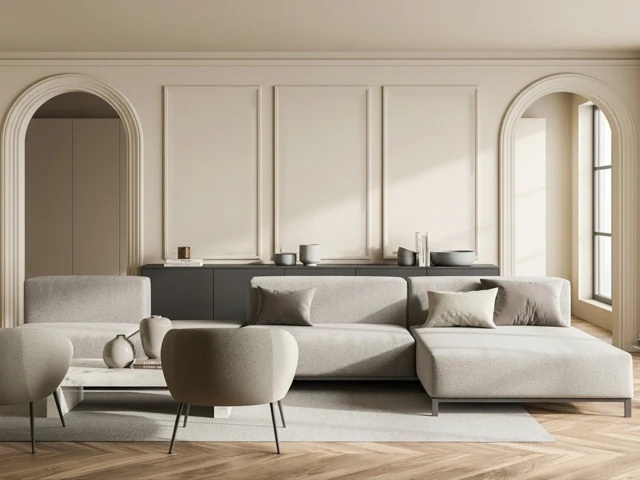
Understanding the Different Styles
Wainscoting is not a single look but a family of related styles, each with its own character and history. Raised panel wainscoting is the most formal and traditional. Each panel features a beveled edge that creates depth and shadow, giving it a substantial, furniture-like quality. This style is perfect for formal dining rooms, libraries, and grand entryways. Flat panel wainscoting, also known as Shaker style, is simpler and more versatile. The panels are recessed but flat, with clean lines and minimal ornamentation. It works beautifully in both traditional and contemporary settings. Board and batten wainscoting uses vertical boards with narrow strips covering the seams. It has a rustic, farmhouse charm but can also feel modern when painted in crisp, clean colors. Beadboard wainscoting features narrow vertical planks with a distinctive groove, or bead, between them. It is casual and cottage-like, perfect for bathrooms, breakfast nooks, and coastal-inspired homes.
Choosing the Right Height and Proportion
The elegance of wainscoting depends heavily on getting the proportions right. The height of your wainscoting should relate to the height of your ceilings and the scale of your room. A common rule of thumb is to install wainscoting at one-third the height of the wall. For a standard eight-foot ceiling, this puts the top rail at around 32 inches. This creates a classic, balanced look. For a more dramatic statement, you can take the wainscoting higher, to around 42 or even 48 inches. This is often called “chair rail height” and works well in dining rooms and hallways. In rooms with very high ceilings, you might even consider full-height wainscoting, where the paneling extends all the way to the ceiling. This creates a stunning, library-like atmosphere that is undeniably luxurious. The key is to consider the proportions of your specific space and choose a height that feels intentional and harmonious.
Materials for Modern Wainscoting
While traditional wainscoting was always made of solid wood, modern materials offer new possibilities. Solid wood is still a beautiful option, prized for its natural grain and timeless appeal. However, it can be expensive and susceptible to warping in humid environments. Medium-density fiberboard, or MDF, has become a popular alternative. It is stable, smooth, and takes paint beautifully. It is also more affordable than wood and less likely to warp. High-density polyurethane is another excellent choice. It is lightweight, moisture-resistant, and available in a wide range of profiles. It can be painted to look just like wood and is ideal for bathrooms and other high-moisture areas. Many manufacturers now offer pre-cut wainscoting kits that include all the necessary components, making installation easier than ever for the DIY homeowner.
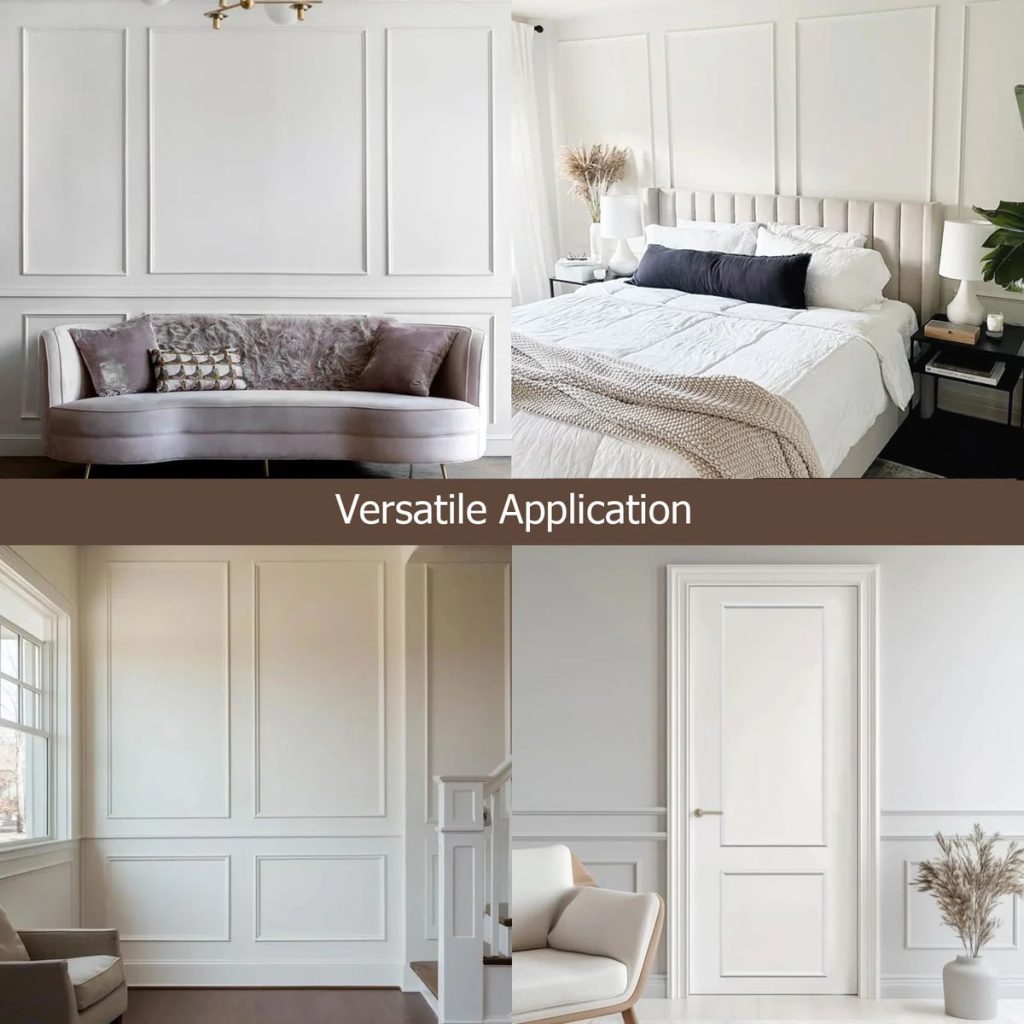
Installation Considerations
Installing wainscoting is a project that requires careful planning and attention to detail, but it is within reach for a motivated DIYer. Begin by measuring your walls and calculating the materials you will need. Plan your layout carefully, considering the placement of outlets, switches, and corners. The goal is to create a balanced arrangement where the panels are evenly spaced and the corners are clean. You will need to cut your panels and trim to size, which requires a miter saw for angled cuts and a table saw or circular saw for straight cuts. Construction adhesive and finishing nails are used to attach the wainscoting to the wall. Take your time with each piece, checking for level and plumb as you go. The most challenging part is often the corners and the areas around windows and doors, where precise cuts are essential for a professional-looking result.
Painting and Finishing for a Luxurious Look
The final step in your wainscoting project is the painting, and this is where the luxury truly comes to life. After installation, fill all nail holes with wood filler and sand smooth. Apply a thin bead of paintable caulk to all the seams where the wainscoting meets the wall and at each corner joint, smoothing with a damp finger for an invisible finish. Once the caulk is dry, apply a high-quality primer. This is especially important if you are using MDF or polyurethane, as these materials need a good primer to ensure the paint adheres properly and looks its best. Finally, apply your chosen paint color. For a classic, elegant look, paint the wainscoting a crisp, clean white while keeping the upper walls a soft, complementary color. For a more modern, monochromatic feel, paint the entire wall, wainscoting and all, the same color. Whichever you choose, the result will be a room that feels finished, refined, and undeniably luxurious.