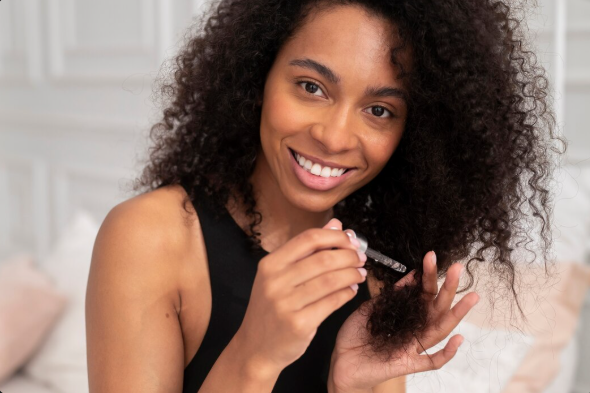
Maintaining healthy and long hair is a priority for many individuals with black hair. Natural hair, celebrated for its texture, volume, and versatility, requires careful attention and the right products to promote growth effectively. Over the years, the natural hair movement has empowered people to embrace their curls, coils, and waves. However, the journey to achieving long, healthy hair can be challenging, especially if common mistakes are made when using natural hair products. Whether you are a beginner or have been caring for your natural hair for years, understanding these pitfalls can help you maximize hair growth and maintain overall hair health. In this article, we will explore the five mistakes to avoid when using natural hair products for black hair for growth and provide tips to ensure optimal results.
1. Using Products Not Suited to Your Hair Type
One of the most common mistakes in natural hair care is choosing products that are not tailored to your specific hair type. Black hair comes in various textures and curl patterns, ranging from loose waves to tight coils. Each type has unique needs, and using a product without considering your hair type can result in dryness, breakage, or slow growth.
Why This Mistake Happens:
Many people assume that a product labeled as “natural” or “for black hair” will work for all hair types. However, hair products often cater to specific needs, such as moisture retention, curl definition, or strengthening.
Consequences:
- Over-moisturization or dryness: Using a heavy cream on fine hair can weigh it down, while a lightweight product may not provide enough moisture for thicker, coarser hair.
- Breakage: Hair not suited to the product may become brittle or weak.
- Slow growth: Hair might appear to stagnate if the product fails to support the growth cycle.
How to Avoid This:
- Identify your curl pattern and porosity.
- Choose products formulated for your hair’s texture.
- Read ingredient lists carefully. Natural oils like coconut, jojoba, and castor oil are excellent for moisture and growth, but their effectiveness varies by hair type.
- Consider consulting a professional stylist to analyze your hair’s needs.
2. Overloading Hair With Too Many Products
It’s easy to get carried away when using natural hair products. From leave-in conditioners to growth oils, creams, and butters, the sheer number of products available can tempt you to apply them all at once. While each product may be beneficial on its own, combining too many can backfire.
Why This Mistake Happens:
Many individuals believe that using more products will accelerate hair growth. The idea is that layering multiple products will nourish hair faster and provide stronger results.
Consequences:
- Product buildup: Excessive product can accumulate on the scalp and hair shaft, blocking hair follicles and hindering growth.
- Weighed-down hair: Hair may lose its natural volume and bounce.
- Scalp issues: Overuse of heavy oils or butters can cause clogged pores, leading to itching, flaking, or even hair loss.
How to Avoid This:
- Stick to a simple routine: shampoo, conditioner, leave-in, and a growth oil.
- Apply products in moderation, focusing on the scalp and ends.
- Rotate products based on hair needs rather than using everything daily.
- Wash and clarify your hair regularly to remove buildup.
3. Neglecting the Scalp
Many people focus primarily on the strands of their hair while overlooking the scalp, which is crucial for hair growth. A healthy scalp creates an optimal environment for new hair growth, while neglect can lead to thinning or weak hair.
Why This Mistake Happens:
The focus is often on achieving length and curl definition, which makes strands the main priority. Additionally, some natural hair products are marketed more for moisturizing hair than scalp health.
Consequences:
- Slow growth: Unhealthy scalp conditions like dryness or dandruff can reduce hair growth rate.
- Weak roots: Hair may break easily at the root if the scalp lacks proper nourishment.
- Scalp irritation: Accumulated dirt, sweat, and product residue can cause itching or inflammation.
How to Avoid This:
- Use natural oils such as castor oil, tea tree oil, or jojoba oil to massage the scalp.
- Perform scalp massages regularly to improve blood circulation.
- Keep the scalp clean and hydrated, especially if using products that tend to leave residue.
- Choose hair products that specifically nourish the scalp.
4. Ignoring Hair Porosity and Moisture Needs
Hair porosity refers to the hair’s ability to absorb and retain moisture. Black hair is naturally prone to dryness, and failing to consider porosity when using natural hair products can hinder growth and hair health.
Why This Mistake Happens:
Not everyone is aware of their hair’s porosity level. Products that work for one person may not be suitable for another with a different porosity.
Consequences:
- Over-moisturization or dryness: Low-porosity hair may not absorb heavy oils, leaving hair feeling greasy. High-porosity hair may not retain moisture, causing dryness.
- Breakage: Hair that is too dry or overloaded with moisture can become fragile and prone to snapping.
- Frizz and lack of definition: Improper moisture balance affects curl pattern and texture.
How to Avoid This:
- Test your hair’s porosity using the float test (placing a strand of hair in water) or consulting a professional.
- Use lightweight products for low-porosity hair and heavier, more emollient products for high-porosity hair.
- Layer products strategically: start with a water-based leave-in, then follow with an oil or butter to seal moisture.
5. Expecting Immediate Results
Natural hair growth is a gradual process, and one of the biggest mistakes people make is expecting instant results from natural hair products. While these products are designed to support hair health and growth, patience and consistency are key.
Why This Mistake Happens:
Marketing claims and social media can create unrealistic expectations. Many influencers showcase rapid growth stories, which may not reflect typical results.
Consequences:
- Disappointment and frustration: Unrealistic expectations can lead to abandoning natural hair routines.
- Switching products too frequently: Frequently changing products can disrupt your hair’s growth cycle.
- Improper hair care practices: Over-manipulation in hopes of faster growth can cause damage.
How to Avoid This:
- Set realistic goals and understand that hair grows approximately half an inch per month on average.
- Stick to a consistent routine with natural hair products.
- Focus on overall hair health rather than only length.
- Track progress monthly instead of expecting daily transformations.
Bonus Tips for Maximizing Hair Growth
While avoiding these five mistakes is essential, following some best practices can further enhance results when using natural hair products:
- Protective Styling: Styles like braids, twists, and buns protect hair from damage and reduce breakage.
- Regular Trimming: Removing split ends prevents breakage from traveling up the hair shaft.
- Balanced Diet: A healthy diet rich in vitamins, minerals, and protein supports hair growth from within.
- Hydration: Drinking plenty of water ensures your hair stays hydrated and resilient.
- Avoid Heat Damage: Minimize the use of flat irons, blow dryers, and other heat styling tools to prevent weakening hair strands.
Conclusion
Using natural hair products for black hair for growth can be highly effective in promoting growth, enhancing moisture, and maintaining overall hair health. However, success largely depends on avoiding common mistakes. Choosing products suited to your hair type, using the right amount of product, prioritizing scalp care, understanding your hair’s porosity, and maintaining realistic expectations are essential for achieving healthy, long hair. By following these guidelines and integrating consistent hair care practices, anyone can experience significant improvements in hair growth while embracing the natural beauty of their curls, coils, and waves.
Healthy hair growth is not just about the products you use—it’s about understanding your hair, nurturing it, and maintaining a routine that supports its unique needs. Avoid these common mistakes, stay patient, and let your natural hair flourish.