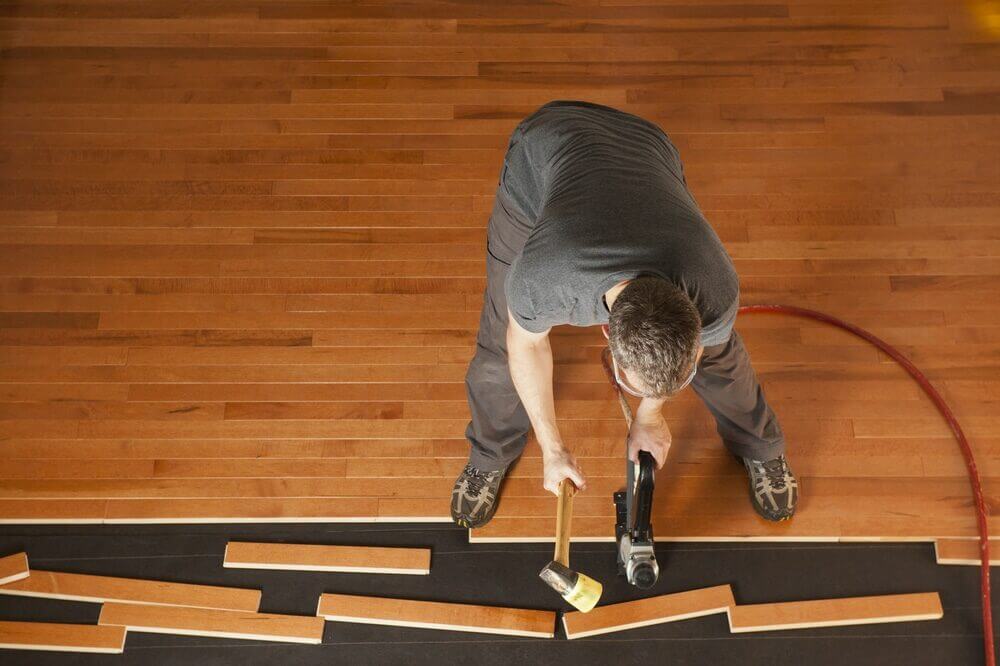
Flooring is one of the most important parts of your home or business — it literally sets the foundation for everyday life. From everyday wear and tear to Colorado’s unique climate, choosing the right solutions, materials, and service providers can make all the difference in how long your floors look great and last. This complete guide explains everything you need to know about professional flooring services — from common problems to smart installation tips and local considerations.
Why Quality Flooring Matters
Flooring isn’t just about looks — it’s about performance, comfort, and long-term value. Good flooring:
- Enhances the look and feel of your space
- Improves comfort and safety
- Protects underlying structures
- Adds resale value
- Matches lifestyle needs (kids, pets, heavy traffic)
In places like the Denver metro area, flooring also has to stand up to extreme seasonal temperature swings, low humidity, and elevation-related challenges that can affect materials differently than in other cities.
Understanding Flooring Problems and Challenges
Even when properly installed, floors can face a variety of issues — especially in climates with dry air and large temperature shifts like Denver’s.
Common Flooring Problems
Expansion and Contraction
Wood, laminate, and some engineered floors expand and contract with humidity changes. Denver’s average humidity is lower than many parts of the country, which means wood floors can shrink or gap if not properly acclimated before installation.
Moisture Issues
Water damage from spills, pet accidents, or environmental moisture can cause cupping, buckling, or warping, especially with wood or laminate surfaces not suited to moisture exposure.
Uneven Subflooring
If your subfloor isn’t even or has moisture issues, you may experience squeaks, uneven boards, and premature wear that shortens the life of your flooring.
Scratches and Wear
Heavy foot traffic, furniture movement, and pets can result in surface scratches or dents, especially on softer woods.
Installation Mistakes
Incorrect nailing, insufficient acclimation, skipping moisture barriers, or poor material selection are all frequent causes of flooring failure.
Choosing the Right Flooring for Your Environment
The right flooring material depends on your space, lifestyle, and local climate. Denver’s high altitude and low humidity make certain materials more appropriate than others.
Popular Flooring Materials and Best Uses
- Engineered Hardwood: Elegant and stable because its layered construction helps resist movement from humidity changes. Great choice for living rooms and bedrooms.
- Luxury Vinyl Plank (LVP): Waterproof, durable, and highly resilient — ideal for kitchens, bathrooms, and basements that might be more prone to moisture.
- Tile (Ceramic/Porcelain): Extremely durable and water-resistant — perfect for high-moisture areas, entryways, and transitional spaces.
- Laminate: Budget-friendly and stylish, but must be chosen carefully to avoid moisture issues.
- Carpet: Brings warmth and comfort to bedrooms or spaces where noise reduction is key.
A Step-by-Step Flooring Solution Guide
Step 1: Assessment and Material Selection
Professional flooring contractors begin with a thorough assessment of your space — including moisture levels, subfloor condition, and intended use. Choosing materials that are right for both lifestyle and environment sets the stage for long-lasting results.
Step 2: Preparation & Acclimation
Before installation, materials like wood or laminate are brought into the space to acclimate to temperature and humidity. This process prevents expansion and contraction issues after installation.
Step 3: Subfloor Repair & Moisture Testing
Uneven or damaged subfloors can compromise your flooring. Professionals repair, level, and test moisture to ensure a solid foundation.
Step 4: Installation
Whether laying luxury vinyl plank, engineered wood, or tile, expert installers use precise techniques to create tight seams, correct patterns, and transitions that enhance durability and appearance.
Step 5: Finishing Touches
Finishing includes trims, thresholds, baseboards, and a final inspection to confirm quality.
Local Considerations That Matter
Climate Adaptation
Denver’s elevation (~5,280 feet) and dry conditions make moisture control and stabilization especially important. Flooring materials must be chosen and installed with local humidity and seasonal weather swing in mind.
Indoor Air Quality
Low-VOC finishes and climate-smart materials help improve indoor air quality and comfort within homes and businesses.
Seasonal Shifts
Temperature changes between seasons can create expansion and contraction cycles. Proper planning, acclimation, and installation techniques help mitigate cracking or gapping.
Maintenance Tips for Lasting Floors
Maintaining your floors regularly keeps them looking like new and helps you avoid costly repairs.
Routine Cleaning
Sweep or vacuum regularly to remove grit and dust that can scratch surfaces.
Use Proper Cleaners
Different flooring requires specific cleaning methods — wood floors use gentle wood cleaners, while tile can handle more robust products.
Protect High-Traffic Areas
Place mats or rugs in entryways and high-use zones to trap moisture and dirt.
Furniture Pads
Use protective pads under furniture to prevent dents and scratches.
Seasonal Humidity Control
Keep indoor humidity around 35–55% to minimize wood movement; consider a humidifier in dry months.
Local Keywords and LSI (Naturally Used)
Throughout this guide you’ll find naturally integrated variations and related keywords including:
- flooring installation
- engineered wood flooring
- moisture resistant floors
- luxury vinyl plank installation
- hardwood floors maintenance
- climate-adapted flooring solutions
- residential and commercial flooring services
- subfloor preparation
- flooring repair and refinishing
- moisture testing for floors
Why Professional Installation Is Worth It
While DIY flooring can be tempting for simple materials, a professional service offers:
- Expert diagnosis and material selection
- Proper moisture control and acclimation
- Warranty-backed installation
- Higher resale value for your property
- Customized solutions for local climate and lifestyle needs
Investing in professional services ensures your floors look great for decades, not just months.
Mid-Article Internal Link
For reliable options and local expertise in flooring services in Denver, many homeowners turn to trusted area specialists in Denver, CO who understand these materials and climate considerations inside and out.
Choosing a Trusted Flooring Service Provider
Selecting a contractor with experience in Denver and surrounding areas means you get practical advice, excellent installation, and support through post-installation care. A good provider will:
- Offer a detailed quote and timeline
- Provide references or portfolios
- Explain material pros and cons
- Address climate-specific concerns
- Guarantee craftsmanship and follow-up support
End-of-Article Internal Link
If you’re ready to start your project or want professional help, PMPD Drywall offers flooring, remodeling, and installation services tailored to your needs.
FAQs About Flooring Services
1. How long does a typical flooring installation take?
Installation time varies — simple LVP or laminate can be done in a day or two, while hardwood or tile may take 3–5 days including prep, acclimation, and finishing.
2. What is the best flooring for Denver’s climate?
Engineered hardwood and luxury vinyl are popular due to stability in low humidity and temperature swings.
3. Do wood floors need acclimation before install?
Yes — proper acclimation to indoor temperature and humidity helps prevent gaps and cupping.
4. How often should floors be refinished?
Hardwood floors may need refinishing every 7–10 years depending on wear; LVP rarely needs refinishing.
5. Can flooring be installed in winter?
Yes, but professional installers monitor temperature and humidity to ensure proper placement.
6. How to prevent scratches and dents?
Use mats in heavy areas, furniture pads, and avoid high-heeled shoes on softer materials.
7. What’s the most durable flooring for pets?
Luxury vinyl plank (LVP) and tile resist scratches and moisture better than many wood floors.
8. Can I install flooring myself?
DIY works for some planks but professionals handle subfloor prep and moisture testing best.
9. How to fix gapping or squeaks later?
Minor gaps can be filled or adjusted; squeaks often require re-securing boards or subfloor.
10. Are warranties important?
Yes — material and installation warranties protect your investment.
Comparing Local Flooring Services
| Service Aspect | Expert Flooring Specialists | General Handyman |
|---|---|---|
| Climate-Adapted Installation | Yes – Trained for Denver’s dry, high-altitude weather | No – Often misses acclimation techniques |
| Moisture Testing & Subfloor Prep | Yes – Professional tools & standards | No – May skip essential prep |
| Warranty & Guarantees | Yes – Materials + installation covered | No – Typically none |
| Material Guidance | Yes – Broad expertise | No – Limited recommendations |
| Final Finish Quality | Yes – Tighter joints, better transitions | No – Visible gaps or flaws |
Strong professionals bring experience and local knowledge — critical for high-performance flooring solutions.
Whether you’re remodeling a room or replacing old floors, understanding the process and local climate factors ensures you make decisions that last for years. With careful planning, smart material choices, and professional installation, your floors can be both beautiful and built to stand up to real-world use in this unique environment.