Productivity in a slurry handling plant is not about how fast a pump can run when everything is perfect. It is about how reliably it keeps running when conditions get tough. And nothing kills productivity faster than a failed seal. A leaking seal means downtime, lost production, messy cleanup, and often collateral damage to bearings and shafts. I have walked through plants where seal failures were accepted as a weekly fact of life, with maintenance crews spending half their time just swapping seals. That is not necessary. CNSME has developed sealing technologies that fundamentally change this equation, allowing pumps to run longer, leak less, and demand less attention. Here is how their seal systems enhance productivity across real industrial operations.
The Expeller Seal Eliminating Routine Adjustments
The most productive seal is the one you never have to think about. CNSME expeller seals come remarkably close to this ideal. Unlike gland packing that needs weekly tightening or mechanical seals that fail catastrophically, the expeller seal uses centrifugal force to create a dynamic barrier. A set of reverse vanes on the back of the impeller spins with the shaft, flinging slurry away from the seal area. When the pump is running at operating speed, the expeller creates a vacuum that actually pulls air or clean fluid into the seal chamber, keeping abrasive particles away from the shaft sleeve. There are no wearing seal faces, no adjustments, and no flush water required in many applications. Plant operators report that expeller seals run for years without attention, transforming centrifugal slurry pump reliability from a constant headache into a non-issue.
Double Mechanical Seals for Zero Leakage Applications
Some applications simply cannot tolerate any leakage, whether for environmental compliance, safety, or product loss. In these cases, CNSME offers double mechanical seal arrangements. Two sets of seal faces face opposite directions, with a clean barrier fluid circulating between them under pressure. The barrier fluid is kept at a higher pressure than the slurry, so any leak is barrier fluid into the slurry, not the other way around. This arrangement provides absolute containment of hazardous or valuable materials. CNSME double seals are designed for easy barrier fluid replacement and include ports for temperature and pressure monitoring. A chemical plant handling toxic slurry told me that switching to CNSME double seals eliminated their last remaining fugitive emission point, allowing them to operate without environmental violations for the first time in years.
Tungsten Carbide Seal Faces for Extreme Abrasion
Standard mechanical seal faces made of carbon or ceramic erode quickly when exposed to abrasive slurry. CNSME offers seal faces made from tungsten carbide and silicon carbide, materials nearly as hard as diamond. These faces resist the cutting action of quartz, garnet, and other hard particles. The seal face geometry is also optimized for slurry service, with wider contact bands and more robust drive mechanisms. In applications like sand pumping or mineral processing, tungsten carbide faces last five to ten times longer than standard faces. A sand mining operation reported that they previously replaced mechanical seals every two months. After switching to CNSME tungsten carbide seals on their pumps, they got over eighteen months of service from the same seal faces. The productivity gain from eliminating those frequent seal changes was enormous.
Gland Packing with Expeller Assistance
Sometimes the simplest solution is the most practical. CNSME has not abandoned gland packing; they have improved it. Their advanced packing systems combine traditional braided packing rings with an expeller on the back of the impeller. The expeller reduces the pressure at the stuffing box by up to ninety percent, meaning the packing only has to seal against a fraction of the normal pressure. This low-pressure environment allows the packing to run cooler, wear slower, and leak less. One plant manager described it as getting the simplicity of packing with the performance of a mechanical seal. The packing rings themselves are made from high-quality materials like PTFE-impregnated aramid fibers that resist chemical attack and run dry without burning. When the packing does eventually wear, it takes an hour to replace rather than a full pump teardown.
Seal Flush Plans Customized to Your Site
A mechanical seal is only as good as its support system. CNSME engineers work with customers to design seal flush plans that match their site conditions. For clean water applications, a simple Plan 01 flush from the pump discharge works fine. For dirty slurries, Plan 32 uses an external clean fluid source. For high-temperature services, Plan 21 adds a cooler to the flush line. CNSME provides complete flush system skids with filters, flow meters, pressure gauges, and coolers as needed. These skids arrive pre-assembled and tested, reducing installation time and ensuring the seal receives exactly the flow and pressure it needs. A mine that installed CNSME flush skids on their cyclone feed pumps saw seal life increase from three months to over two years. The skid cost was repaid in reduced downtime within six months.
Seal Chamber Design for Solids Exclusion
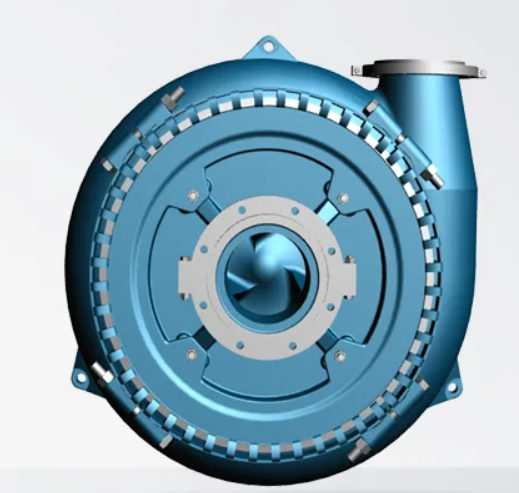
The physical design of the seal chamber itself matters enormously. CNSME seal chambers feature generous internal clearances and optimized flow paths that encourage solids to settle out away from the seal faces. Large flush ports allow plenty of clean fluid to reach the seal area. Some models include internal circulation vanes that keep fluid moving even when the pump is running at low speed. The shaft sleeve is tapered or stepped to create a velocity change that discourages solids from traveling toward the seal. These design details are the result of years of studying how solids behave inside the seal chamber. They are not visible from the outside, but they make a measurable difference in seal life. In side-by-side plant tests, CNSME pumps consistently outlasted competitors with similar seals but poorer seal chamber design.
Monitoring Systems for Predictive Seal Maintenance
Even the best seal will eventually wear, and the key to productivity is replacing it at the right time, not too early and not too late. CNSME offers seal monitoring systems that track parameters like flush flow rate, seal chamber pressure, and bearing housing temperature. A sudden drop in flush flow suggests a clogged filter or line. A rising seal chamber pressure indicates the seal faces are wearing and creating more friction. These measurements feed into the plant control system, where algorithms detect patterns that precede seal failure. Operators receive alerts when conditions indicate a seal is approaching end of life, allowing replacement to be scheduled during planned downtime rather than as an emergency. One large processing plant using CNSME seal monitoring reduced their unplanned pump downtime by eighty percent. That is productivity improvement you can take to the bank.