If you have a child with asthma, you have probably already done the obvious things. You bought an air purifier for their bedroom. You banned smoking from your home. You change your HVAC filters religiously. But there is a good chance you are overlooking the very surfaces your child touches, sits on, and sleeps against every single day. Researchers who study pediatric asthma have shifted their attention away from just the air and toward the floors, walls, furniture, and even toys that fill a child’s world. Here is why that matters. A child’s asthma isn’t triggered only by what floats into their nose. It is triggered just as much by what lands on their skin, what they pick up on their hands, and what becomes embedded in the soft surfaces they press their face against while sleeping.
Why Surfaces Hold onto Triggers Longer Than Air Does
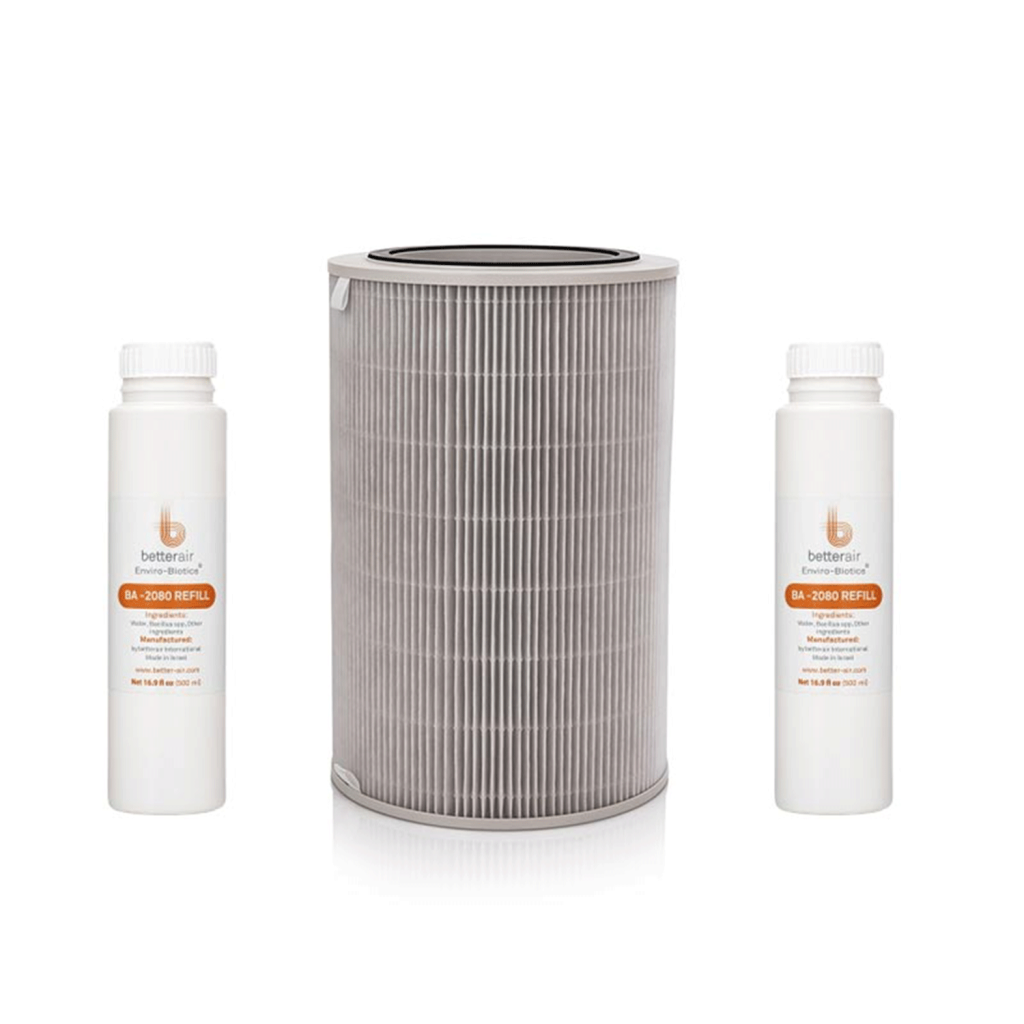
Airborne allergens settle within hours, but surfaces can hold onto triggers for months if not properly managed. Dust mite droppings embed themselves into carpet fibers and mattresses. Pet dander works its way deep into upholstery foam. Mold spores cling to window sills and baseboards. Even after you run a powerful probiotic air purification all night, those surface reservoirs remain fully loaded, ready to be stirred up the moment your child jumps on the bed or brushes against the couch. This is why some parents feel like they are fighting a losing battle. The air looks clean on a monitor, but their child still wheezes. The missing piece is understanding that indoor surfaces act like a library of triggers, storing up allergens and releasing them slowly over time whenever the surface gets disturbed.
Carpet Versus Hard Flooring and What the Studies Show
Let us get straight to the evidence that changed how many pediatricians counsel families. Several studies comparing homes with carpet to homes with hard flooring found that carpeted rooms consistently held two to five times more dust mites, cat allergens, and mold particles. The fibers trap material deep where vacuuming cannot reach, and even professional steam cleaning leaves significant residue behind. For a child with moderate to severe asthma, removing wall-to-wall carpet from the bedroom offers one of the biggest single improvements you can make. If removing carpet is not an option, at least replace it with a low-pile wool or synthetic carpet that traps less debris, and vacuum weekly with a HEPA-filtered machine. Area rugs that can be taken outside and beaten or professionally cleaned every few months are a better compromise than permanent carpet.
Upholstered Furniture as an Overlooked Reservoir
Your child’s favorite spot on the couch might be the most allergen-dense square foot in your home. Upholstery foam and fabric create the perfect environment for dust mites to thrive: warm, protected from light, and rich with dead skin cells. Unlike a mattress, which at least gets covered with a washable sheet, couches and armchairs rarely get deep cleaned. Researchers have found that upholstered furniture often contains higher concentrations of cat and dog allergens than floors do, even in homes without pets. The allergens hitch a ride on visitors’ clothing or settle from the air. For families managing childhood asthma, consider switching to leather, vinyl, or wood furniture that can be wiped down weekly with a damp cloth. If you keep fabric furniture, encase cushions in zippered allergen-proof covers similar to what you use on a mattress, and vacuum the entire piece monthly.
The Bedroom Surface That Parents Always Miss
You probably already wash your child’s sheets weekly in hot water. That is excellent. But here is what even diligent parents overlook. The wall next to your child’s bed. Stuffed animals left on the floor. The curtain rod above the window. These vertical and elevated surfaces collect dust just as readily as the floor does, but they rarely get cleaned. When your child tosses and turns at night, their breathing creates air currents that pull dust and settled allergens off these neglected surfaces directly into their breathing zone. A study of asthmatic children’s bedrooms found that cleaning walls, blinds, and ceiling fans reduced nighttime symptoms significantly, even when floor cleaning stayed the same. Once a month, take a damp microfiber cloth to the wall beside the bed, wipe down blinds and curtain rods, and toss any washable stuffed animals into the laundry.
How Probiotic Surface Treatments Offer a New Approach
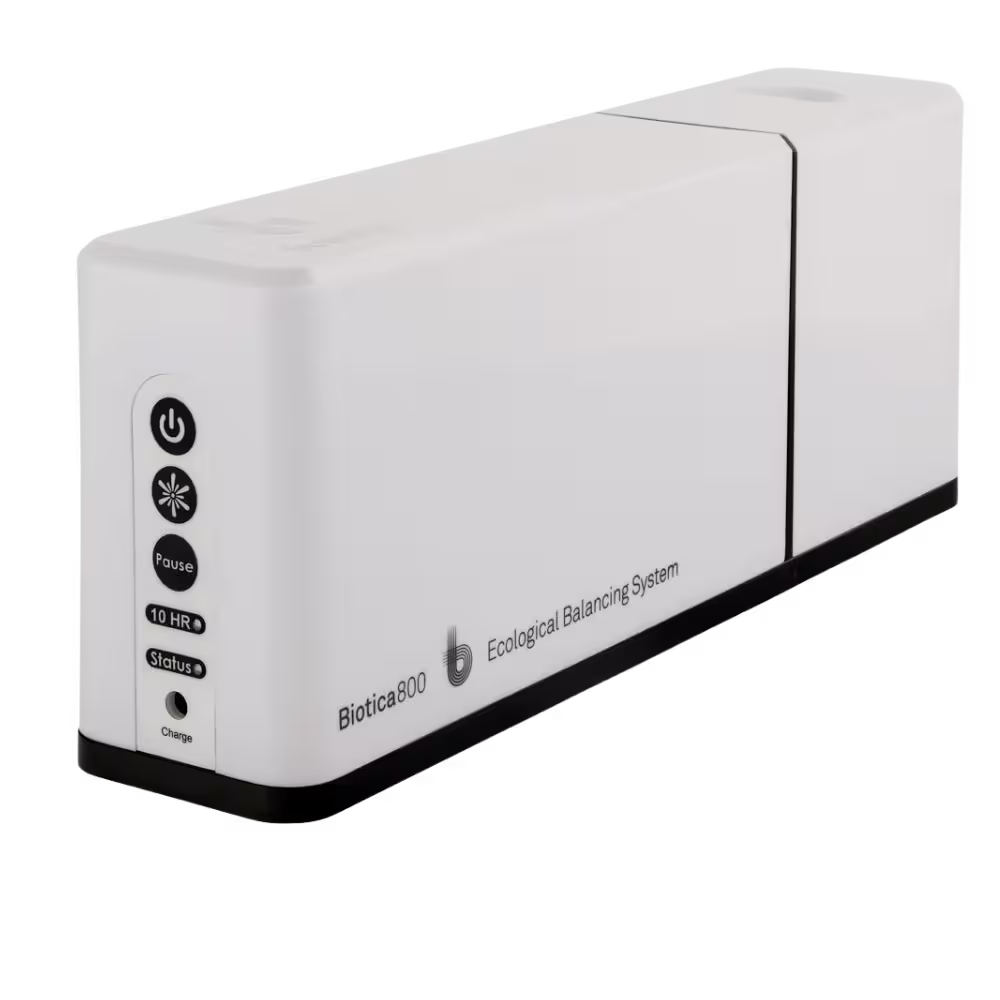
Traditional advice focuses on removing allergens from surfaces through vacuuming, wiping, and washing. But researchers have begun exploring something entirely different: changing the surface ecology so allergens never accumulate in the first place. Probiotic surface sprays, like those from EnviroBiotics, introduce beneficial bacterial spores that colonize surfaces and break down the organic matter that dust mites and mold feed on. Hospitals testing this approach found that treated surfaces stayed cleaner longer because the probiotics continuously digested skin cells, pet dander, and other biological debris. For a parent managing a child’s asthma, this means fewer particles available to become airborne and trigger a flare. The probiotics do not replace regular cleaning, but they extend the time between cleanings and reduce the total allergen load that settles in the first place. It is a fundamentally different strategy—not just trapping or removing triggers, but preventing their buildup at the microscopic level.
A Simple Weekly Routine That Makes a Real Difference
After reviewing all the research, here is a manageable weekly routine that hits the most important surfaces without overwhelming an already busy parent. Day one, wash bedding in hot water and wipe down the wall beside the bed. Day two, vacuum carpets and upholstery with a HEPA vacuum, paying special attention to edges and under furniture. Day three, damp-mop hard floors and wipe down all hard surfaces including window sills, baseboards, and shelves. Day four, spray problem areas like the child’s mattress and upholstered furniture with a probiotic surface treatment, allowing it to air dry. Repeat this cycle weekly. Between cleanings, use simple strategies like keeping stuffed animals in a sealed bin except for one or two favorites, encasing the mattress and pillow in allergen-proof covers, and removing shoes at the door to prevent outdoor allergens from settling on your indoor surfaces. Your child’s lungs do not care whether a trigger came from the air or from the couch cushion. They only care that it is there. By focusing on surfaces with the same attention you once gave to the air, you finally close the loop on your home’s asthma triggers.