Introduction
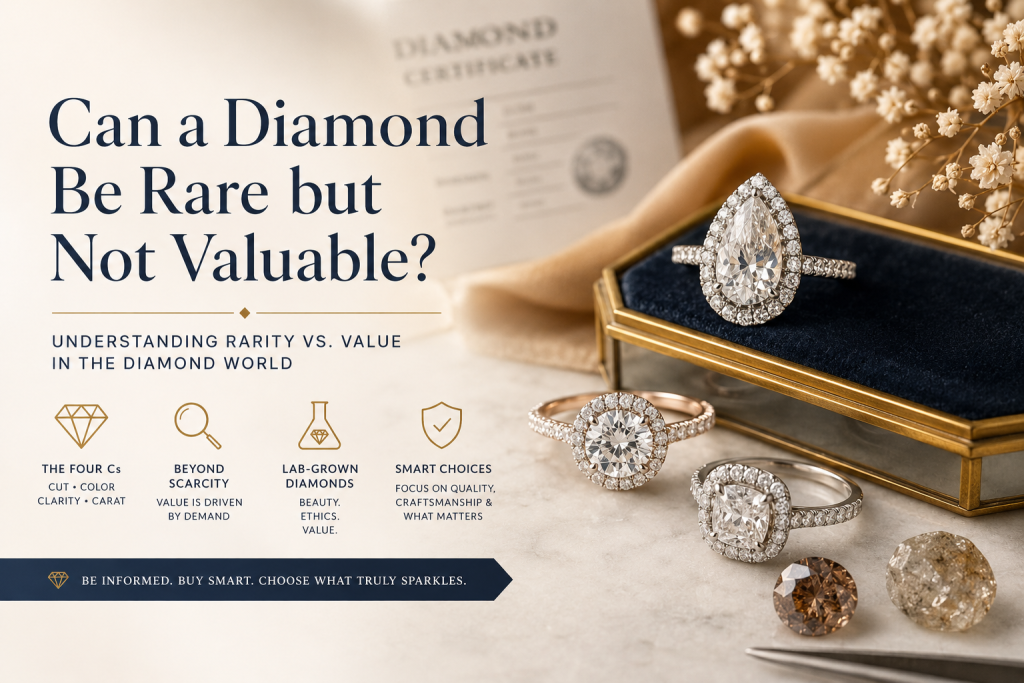
There are many people who believe that if a diamond is rare it will automatically be of a high value. This is sensible as it is often the case that the rarest items are the toughest to come by and the rarest items tend to be worth more. But not all the time in the diamond market. A diamond may be very rare, but not fetch high prices. This is an unexpected fact to many diamond and fine jewellery buyers.
Understanding the difference between rarity and value helps you make informed jewellery purchases. Diamond experts evaluate value based on several factors, not just rarity. Buyers can make smarter decisions by understanding value when choosing engagement rings, gemstones, or certified lab grown diamond jewellery.
Explain why diamonds are rare
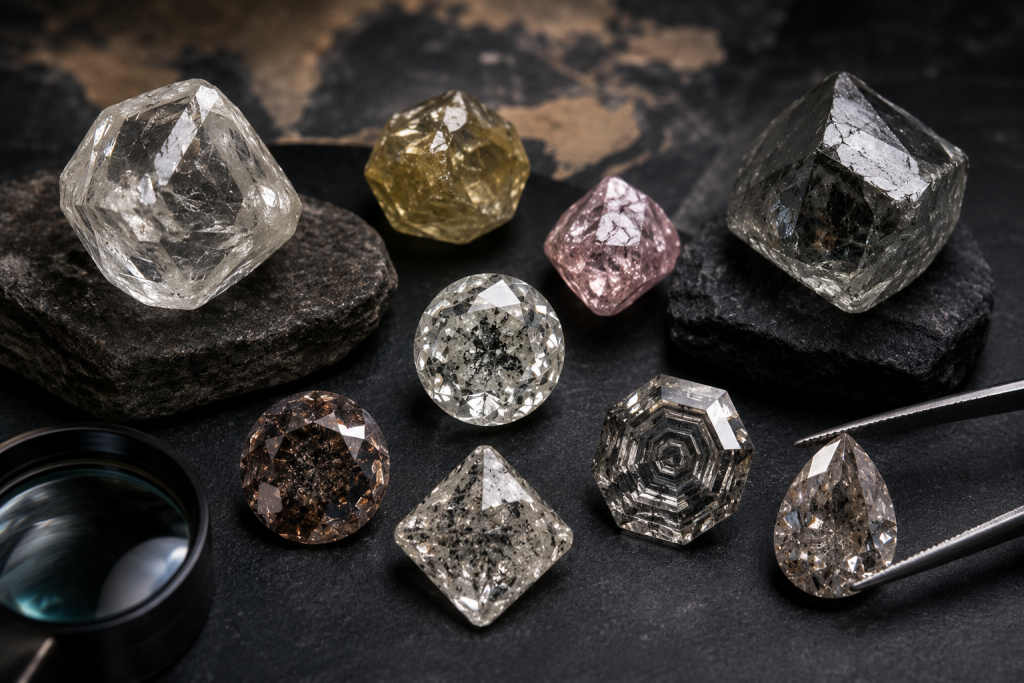
The rarity of a diamond is based on its attributes that are different from the typical attributes found in nature. This can be an unusual color, unique crystal formations, abnormally large crystals or a naturally occurring pattern in the stone. There are even more difficult to find diamonds, those that only come from certain areas of the world.
But, not everything rare is desirable. The feature should also be one that buyers are actively seeking. For example, a diamond may have a rare inclusion pattern, but if buyers see it as a flaw rather than a unique feature, its market value may decrease.
Why value diamond depends on More than scarcity
Understanding the difference between rarity and value helps you make informed jewellery purchases. Diamond experts evaluate value based on several factors, not just rarity. Buyers can make smarter decisions by understanding value when choosing engagement rings, gemstones, or certified lab grown diamond jewellery.
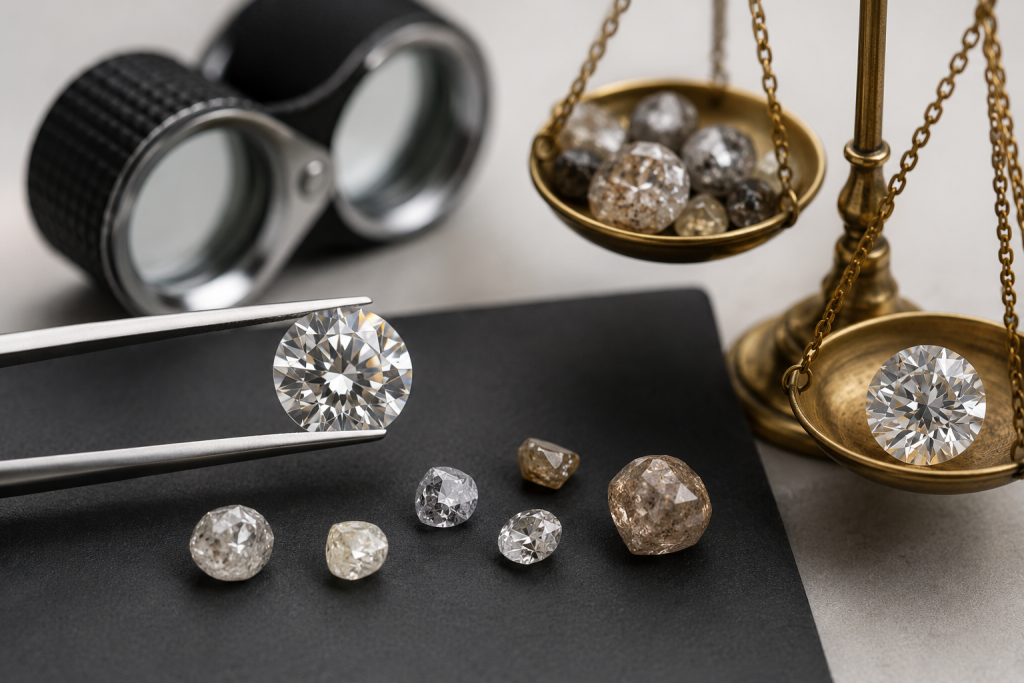
Most buyers prioritize beauty, brilliance, and overall appearance over uniqueness. A diamond with an excellent cut and strong visual appeal can outperform a rarer stone in value. Professional gemologists evaluate multiple factors to determine a diamond’s true value.
Diamond pricing is determined by the Four Cs: colour, clarity, cut and carat
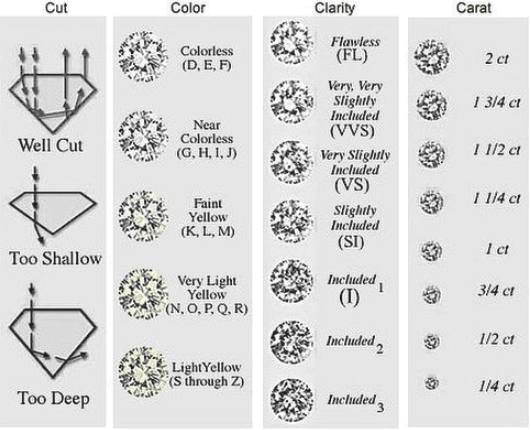
The “Four Cs” (cut, color, clarity, and carat weight) remain the basis for the value of diamonds. Of these, the cut of a diamond can often make the biggest difference in how it appears. Skilled diamond cutters carefully shape each diamond to maximize light reflection, creating the brilliance and sparkle that buyers love.
The other factor is color and clarity, as it also helps in creating visual perfection that affects price. While uncommon diamonds are nice, bad grades in these areas can make them less desirable. Carat weight plays an important role, but it cannot outweigh poor cut, clarity, or overall quality. This balanced approach explains why some common diamonds hold greater value than rarer diamonds with weaker qualities.
Let’s see an example of rare diamonds that are not highly valuable
Some diamonds are rare because they have rare natural growth patterns and/or inclusions. These attributes can appeal to collectors and gem enthusiasts but are less attractive to the general buyer who will want fewer noticeable flaws. Therefore, these diamonds may not be able to sell at a high price in the market.
Brown diamonds are another example. Until now, they were not very common against the backdrop of traditional white diamonds. Despite their rarity, these diamonds attracted little interest because most buyers preferred colorless stones. Marketing efforts showcased the beauty of brown diamonds and increased their popularity within the jewellery industry.
Consumer preferences determine the value diamond
Perception is a strong determinant of value for consumers. Trends change constantly, and a diamond that attracts strong demand today may not generate the same level of interest in the future. The value of diamonds is often related to emotional appeal, just as much as to technical rarity.
For instance, contemporary buyers are often looking for designs that are elegant and have stones that can enhance the brilliance and beauty. An individual looking to buy a pear shaped engagement ring lab created can take into account the craftsmanship, sparkle and general appearance instead of just picking the rarest of stones that can be found. In this way, this is evidence of the way demands affect the value more than scarcity.
The shift in the diamond industry by lab-grown stones

Lab-grown diamonds have set off a trend that has encouraged more consumers to consider the reasons why diamonds are valuable. These diamonds have similar physical and optical characteristics to natural diamonds, but they are more accessible and transparent. This means that in recent years buyers are more likely to consider quality, certification, and design when purchasing an item than its rarity.
Leading diamond jewellery brands focus on quality craftsmanship and ethically sourced materials. For example, ErayaSparkle encourages conversations about ethical practices in the luxury jewellery industry. ErayaSparkle offers certified lab grown diamond jewellery for modern consumers who seek beauty, quality, and ethical sourcing. This change underscores the fact that buying decisions aren’t always made with the conventional notion of rarity in mind.
Not all rare things are investment grade
Some people think that all rare diamonds are the best investment. In practice, the investment potential is determined by a number of factors, such as the long-term demand, market stability, and interest of the buyer. A diamond might be rare for many years and not appreciate in value.
Any collector knows that when there is no demand, it is not a good recipe for scarcity. In general, the best investments in diamonds are those that are rare, of high quality, and continue to be in demand within the market. This is a rarity that is even more difficult to obtain than just rarity, and hence, true investment-grade diamonds are relatively rare.
There are many common myths regarding the value of a diamond
A common misunderstanding is that anything with unusual features always has an enhanced value. A diamond’s unique characteristics can make it stand out, but they may not increase its value unless buyers see them as desirable. Another myth is that older diamonds are always worth more. Age can be a factor towards historical significance, but condition and demand are also key factors.
Likewise, there are times when people looking for Halo rings for women find that it is the overall design that makes a difference to the cost of the rings rather than the rarity of the stones. The jewellery market remains unaffected by beauty, craftsmanship and wearability, which continue to influence buying decisions. Whether you choose a pear shaped lab grown diamond engagement ring or another halo engagement ring style, buyer preferences often play a major role in determining its appeal and value.