Walking into a gym in 2026 will feel nothing like it did five years ago. The days of cramming every available square foot with treadmills and weight racks are fading fast. Instead, the modern fitness space is about flow, technology integration, and emotional experience. SPX Gym Design has been watching these shifts closely, and after working on dozens of facilities worldwide, the team has boiled down what truly works. Whether you are building from scratch or renovating an old warehouse, these ten tips will help you create a gym that people actually want to spend time in.
Zoning for Energy and Recovery
The biggest mistake gym owners still make is mixing high-intensity zones with calm areas. Imagine trying to stretch after a workout while someone is dropping deadlifts three feet away. It does not work. In 2026, smart gym design separates the space into clear energy zones. You want your cardio and strength areas on one end, your functional training zone in the middle, and your recovery and stretching space tucked into a quieter corner. This natural separation reduces accidents, improves focus, and lets multiple personalities coexist under one roof. Plus, it gives members a journey to move through rather than a chaotic free-for-all.
Smart Lighting That Moves With You
Forget the harsh fluorescent tubes that make everyone look exhausted. The new standard is adaptive lighting that shifts throughout the day. In morning hours, bright white light with a cool tone helps wake up early risers and boosts alertness for pre-work crowds. As the afternoon rolls in, warmer tones create a steady, focused atmosphere. Then, for evening classes or late-night lifting sessions, dimmable LEDs with customizable colors can match the energy of the workout. SPX Gym Design recommends installing motion-activated accent lights along walkways and near equipment storage. These small touches make the space feel alive and responsive without being distracting.
Breathing Room and Circulation Paths
Crowded gyms are not just annoying. They are dangerous. A well-designed facility in 2026 leaves generous breathing room between machines and creates clear, wide circulation paths. Members should never feel like they are navigating an obstacle course just to grab a mat or fill their water bottle. Aim for at least four feet of clearance in main walkways and six feet around popular equipment like squat racks and cable machines. This open layout also improves air circulation, which ties directly into the next point. When people move freely, they stay longer and complain less.
Air Quality as a Silent Priority
The pandemic permanently changed how people think about indoor air, and your gym design needs to reflect that. Stale, stuffy air filled with dust and moisture is a fast way to lose members. In 2026, high-end gyms are installing commercial-grade HVAC systems with UV-C light filtration and real-time air quality monitors. But you do not need to break the bank. Even thoughtful placement of ceiling fans, operable windows, and dehumidifiers can make a massive difference. Pay special attention to studio spaces where group classes pack people together. When the air feels fresh, nobody notices. When it feels heavy, everyone notices immediately.
Tech Integration Without the Gimmicks
There is a fine line between helpful technology and useless screen clutter. The perfect gym design in 2026 weaves tech into the background rather than forcing it into the spotlight. Think touchless check-in kiosks, equipment with built-in performance tracking, and charging stations built into bench seats and locker rooms. QR codes on machines can link to quick tutorial videos without requiring staff intervention. However, avoid overloading walls with tablets and monitors that will feel dated in two years. The goal is seamless support, not a tech showroom. Members want to focus on their workout, not troubleshoot a frozen screen.
Acoustics and the Sound of Motivation
Noise management is surprisingly overlooked in most gym designs. Hard concrete floors, metal racks, and high ceilings create a deafening echo chamber where music clashes with clanking weights and shouted conversations. The solution is layered acoustic treatment. Rubber flooring absorbs impact sounds, fabric wall panels cut down on reverberation, and dropped ceilings with acoustic tiles tame the overall volume. For group fitness studios, invest in proper sound insulation so your cycling class does not overpower the yoga session next door. A gym that sounds good feels better to be in, plain and simple.
Flexible Furniture and Mobile Equipment
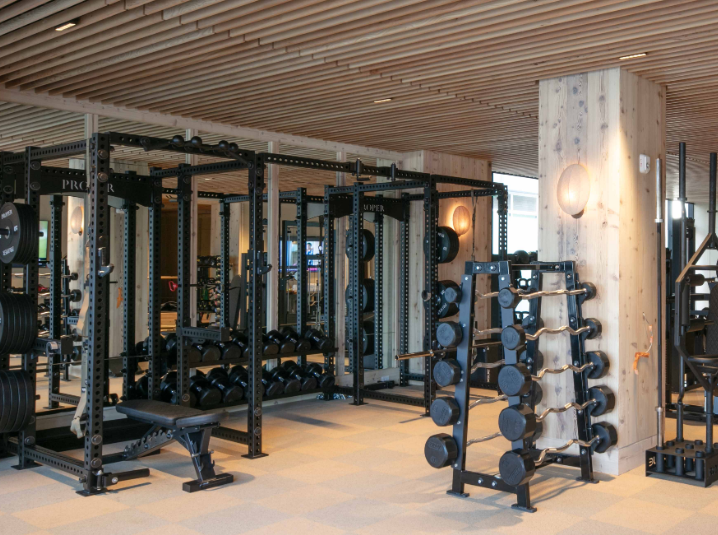
Rigid layouts belong in the past. The modern gym needs movable benches, adjustable cable stations, and storage solutions that allow equipment to disappear when not in use. Wall-mounted rigs with fold-away arms, rolling dumbbell racks, and stackable plyo boxes give trainers the freedom to reconfigure spaces in minutes. This flexibility is especially valuable for gyms that host small group training, boot camps, or private sessions. When members see that the space can transform based on the workout of the day, they feel like they are getting more value from their membership.
Locker Rooms That Feel Like a Retreat
The locker room is often an afterthought, but it should be a highlight. After a tough workout, nobody wants to step into a cramped, damp room with broken lockers and weak water pressure. In 2026, successful gyms are treating locker rooms like spa-lite experiences. Think private changing pods, full-length mirrors, towel warmers, and premium toiletries. Even small upgrades like wooden bench seating, soft indirect lighting, and drain channels instead of wet floor mats go a long way. A clean, pleasant locker room turns a routine end-of-workout rush into a moment of genuine recovery.
Natural Elements and Biophilic Design
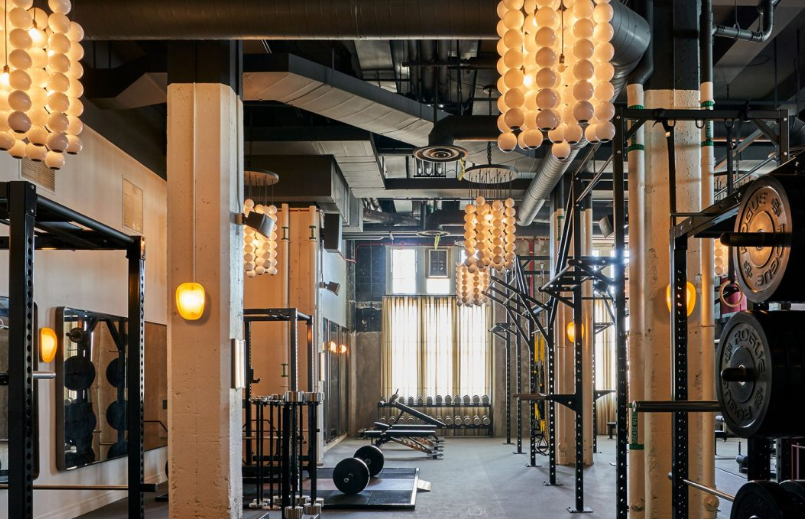
Humans respond to nature. It is that simple. Adding plants, natural wood accents, stone textures, and even views of the outdoors can lower stress and improve mood before a workout even begins. SPX Gym Design suggests incorporating living green walls near entrances, large windows that let in daylight, and exterior patios for warm-up or cool-down stretching. If your space lacks windows, high-quality nature murals or projected outdoor scenes can mimic the effect. The industrial, windowless gym box is dying. Bring the outside in, and your members will feel less like they are grinding through a chore and more like they are treating themselves well.
Future-Proofing for the Next Five Years
The last tip is the most important one. Design your gym with adaptability baked in. Equipment trends change, exercise science evolves, and member preferences shift. Leave extra electrical and data ports in the walls, use modular flooring that can be replaced in sections, and avoid permanent built-in structures that cannot be moved. Keep 20 percent of your floor space as open, multi-purpose area that can host anything from meditation circles to combat sports. A gym that can evolve with the industry will still feel fresh in 2030 while rigid competitors get torn down and rebuilt. Think long-term, and your investment will pay off for years.