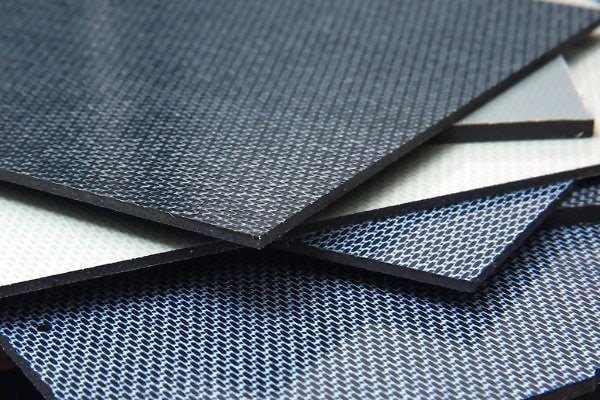
Fiber Reinforced Polymers are increasingly being adopted across modern infrastructure projects due to their high strength, lightweight properties, and resistance to corrosion. As governments and private developers seek durable construction materials that can reduce maintenance requirements and extend asset lifespans, these advanced composites are becoming a practical alternative to conventional materials such as steel and concrete. Their versatility across bridges, buildings, transportation networks, and utility infrastructure is helping reshape how modern structures are designed and maintained.
The Rising Importance of Advanced Composite Materials
Infrastructure projects today face growing demands for durability, sustainability, and cost efficiency. Traditional materials often encounter challenges such as corrosion, environmental degradation, and high maintenance expenses over time. Fiber Reinforced Polymers (FRP) address many of these concerns by combining reinforcing fibers with polymer matrices to create materials that offer exceptional mechanical performance while remaining lightweight.
These characteristics make FRP particularly suitable for applications exposed to harsh environmental conditions. Coastal infrastructure, industrial facilities, bridges, and transportation systems increasingly rely on these materials to improve structural resilience. Their ability to reduce installation complexity and support longer service lives has positioned them as an attractive option for engineers and project developers worldwide.
Infrastructure Investments Supporting Material Innovation
According to MarkNtel Advisors, the Global Glass Fiber Reinforced Polymers (GFRP) market was valued at approximately USD 27.8 billion in 2025 and is projected to reach nearly USD 43.6 billion by 2032, growing at a CAGR of around 6.6% during the forecast period. This increasing adoption reflects the broader shift toward advanced construction materials that can meet evolving infrastructure requirements.
Growing investments in transportation, renewable energy, water management systems, and urban development projects are contributing to the demand for GFRP solutions. Public infrastructure programs in both developed and emerging economies are emphasizing long-term performance and sustainability, encouraging the use of materials that can minimize lifecycle costs while enhancing structural reliability.
Applications Across Critical Infrastructure Segments
Fiber Reinforced Polymers are finding applications across numerous infrastructure sectors. In bridge construction, GFRP rebars and structural components offer corrosion resistance that can significantly extend operational lifespans. Building projects utilize composite panels and reinforcement materials to improve structural efficiency while reducing overall weight.
Water and wastewater facilities also benefit from FRP materials because they can withstand exposure to chemicals and moisture better than many traditional alternatives. Additionally, transportation authorities are exploring FRP solutions for tunnels, railway systems, and pedestrian infrastructure where durability and reduced maintenance are important considerations.
According to Federal Highway Administration (FHWA), composite materials continue to support infrastructure modernization efforts by providing durable alternatives for transportation structures and rehabilitation projects.
Supporting Sustainable Construction Objectives
Sustainability has become a central focus within the construction sector, and Fiber Reinforced Polymers contribute to several environmental objectives. Their lightweight nature reduces transportation requirements and associated emissions during project execution. Longer service life and lower maintenance demands can also decrease resource consumption throughout an asset’s operational lifecycle.
Many infrastructure developers are evaluating materials based on lifecycle performance rather than initial installation costs alone. FRP products often align with this approach by helping reduce repair frequency and operational disruptions. As green building standards and environmental regulations become more prominent, advanced composite materials may play an increasingly important role in supporting sustainable infrastructure development.
According to United Nations Environment Programme (UNEP), sustainable construction practices increasingly emphasize materials that improve resource efficiency and long-term infrastructure performance.
Regional Developments Driving Adoption
North America and Europe continue to represent important markets for Fiber Reinforced Polymers due to ongoing infrastructure rehabilitation initiatives and advanced engineering practices. Aging transportation networks and public assets in these regions have encouraged investments in durable materials capable of extending service life while reducing maintenance costs.
Meanwhile, Asia-Pacific is witnessing substantial infrastructure development supported by rapid urbanization, industrial expansion, and government investment programs. Large-scale transportation projects, smart city initiatives, and renewable energy installations are creating opportunities for GFRP applications across multiple sectors. The growing emphasis on resilient infrastructure is expected to further support adoption across emerging economies.
According to The World Bank, infrastructure investment remains a key priority for supporting economic development, urbanization, and long-term sustainability objectives across many regions.
Challenges and Future Outlook
Despite their advantages, Fiber Reinforced Polymers face several challenges. Higher initial costs compared to conventional materials can influence procurement decisions, particularly for budget-sensitive projects. Limited awareness among some stakeholders and varying regulatory frameworks may also affect adoption rates in certain regions.
However, ongoing technological advancements, manufacturing improvements, and increased industry experience are helping address these barriers. As infrastructure owners increasingly prioritize lifecycle value and resilience, the use of advanced composite materials is expected to expand. Continued research and standardization efforts may further enhance confidence in FRP applications across diverse construction environments.
Key Companies Operating in the Sector
Several companies contribute to the development and commercialization of Glass Fiber Reinforced Polymer solutions worldwide. Key participants include Owens Corning, Jushi Group, Saint-Gobain, Nippon Electric Glass, and CPIC. These organizations continue investing in product innovation, manufacturing capabilities, and application development to support the evolving needs of infrastructure projects worldwide.
As infrastructure requirements become increasingly complex, Fiber Reinforced Polymers may continue gaining relevance as a material solution capable of supporting durability, sustainability, and long-term performance objectives. Their expanding use across transportation, utilities, buildings, and industrial facilities could indicate a broader transformation in how infrastructure assets are designed and maintained in the years ahead.