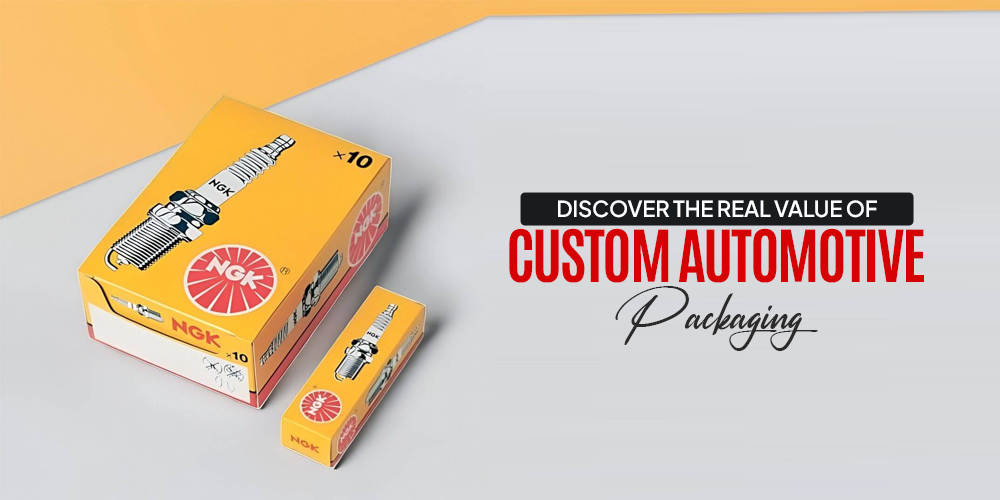
The car business moves fast. Aggressive production schedules rule the day and factory managers have a strict zero tolerance policy for error. People talk constantly about horsepower, engine torque, battery ranges and advanced safety sensors. But an unsung hero works quietly in the background to make it all happen. If the sensor is perfectly calibrated or a heavy transmission block is being moved across an ocean without any marks, the container is the star of the show.
It’s here that custom automotive packaging comes into play. From protecting sensitive electronics to powering robust mechanical equipment, automotive packaging solutions keep the assembly line running smoothly. As a result, it is exactly what the end customer has paid for. The way these physical systems function to keep billions of dollars in parts safe needs to be examined more closely, year by year. These boxes are the backbone of the global supply chain.
The Core of Packaging: More Than Just a Box
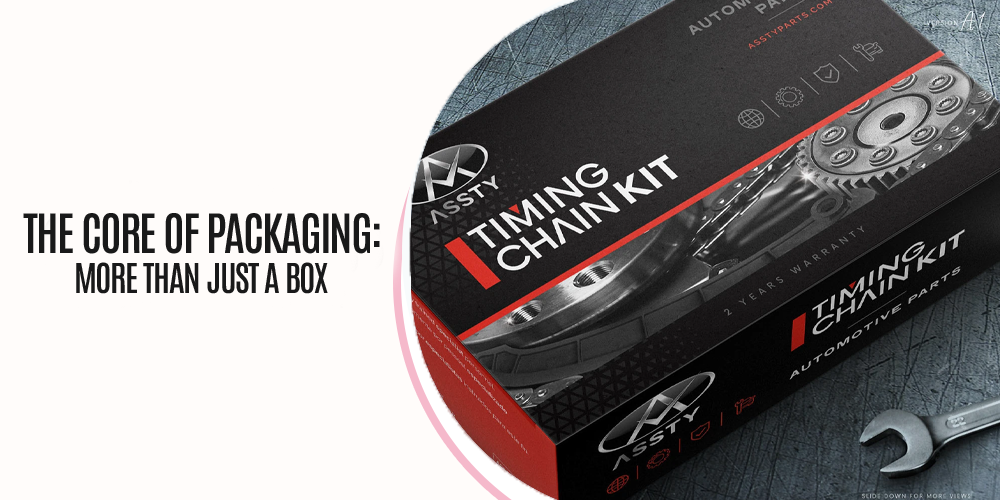
If you don’t quite know what automotive packaging is, then you’re at the right place. It is a system of materials that is engineered for the safe transport, protection, and storage of vehicle components. But what is automotive packaging used for exactly? It’s more than just moving product from A to B. It is a very technical process that is geared towards getting rid of risk.
- Absolute Protection: Auto parts face extreme stress, vibration and moisture during transit across the world. Quality packaging for automotive parts absorbs shock and prevents friction damage. A scratched display screen or a dented radiator can cost thousands of dollars in replacement fees and delayed production. Proper interior padding stops this completely by absorbing the kinetic energy of a bumpy road or a turbulent cargo flight.
- Strict Compliance: Original equipment manufacturers and international shipping regulators maintain very tight guidelines for safety and material sourcing. Partnering with the right automotive packaging company guarantees every crate and carton meets rigorous global transport standards. If a box fails a customs inspection at a port because of non compliant wood or improper labeling, the entire production line could halt.
- Component Integrity: From sensitive microchips to perfectly machined pistons, specialized layers prevent dust, moisture and grease contamination. This keeps parts in factory-new condition until they are installed on the shop floor. Even a microscopic layer of rust on a brake component can render it useless. Good packaging acts as an impenetrable shield against the elements.
Engineering the Fit: Types and Materials
What types of packaging are used in the automotive industry?
The sheer variety of car parts requires an equally diverse range of containers to match their specific shapes and weights. A tiny fuse requires a completely different approach than a massive steel bumper. Here is a look at the most common formats you will see in warehouses today.
- Heavy-duty corrugated cartons: These are the backbone of automotive parts packaging. These thick boxes handle dense heavy components like brake rotors, alternators and water pumps. They offer massive stacking strength for warehouse storage making sure the boxes at the bottom of a pallet do not crush under the weight of the boxes above them.
- Specialty Auto Component Packaging Boxes: Engineers tailor these specifically for odd-shaped or fragile items. For example, Vehicle Lighting Packaging requires custom cut foam inserts to prevent glass breakage and scratch damage during rough handling. Headlights are expensive and fragile so the interior padding must hold the unit perfectly still.
- Returnable and Expendable Racks: These structures are heavily utilized as automotive packaging for OEM manufacturers. These factories rely on continuous closed loop shipping between tier suppliers and assembly plants. Steel racks and sturdy plastic bins move back and forth daily to keep the lines fed with fresh parts reducing overall waste significantly. Factories deal with high volume. If a line worker has to struggle to open a box or remove a part from a plastic tray it slows down the entire building. This is why returnable systems feature open tops and easy access designs.
- Consumer Facing Cartons: Think of the everyday replacement parts sitting on an auto shop shelf. Even a simple air filter box needs to be structurally sound enough for retail display. It also has to be durable enough for a weekend mechanic who might repurpose it while building a do it yourself air filter box fan for their garage workspace. Good packaging has a life beyond its initial use.
What are the best materials?
When we consider materials, durability is always the primary goal. You will typically see double-wall or triple-wall corrugated cardboard for heavy items. Engineered interior foam like cross-linked polyethylene, cradles delicate electronics and absorbs heavy impacts. Thermoformed plastic trays hold small screws and clips securely in place so they do not get lost in transit. Finally treated wood crates carry the heaviest powertrain components safely across long distances.
Modern Trends and Innovations on the Move

The auto sector is shifting quickly toward electrification and sustainability. Packaging engineers are adapting just as fast to keep pace with these massive changes. They have to rethink old methods completely to solve new problems.
- The Electric Vehicle Challenge: The transition to electric vehicles brings entirely new logistical hurdles. A common industry question is: How do EV battery packaged in boxes for shipping? The answer involves highly specialized UN certified hazardous materials containers. These are not your standard Custom Packaging Boxes. They feature fire retardant materials, thermal management layers and rigid impact resistant outer shells. All of these features are designed to prevent thermal runaway and keep everyone safe during transport.
- Environmentally Friendly Materials: Brands are moving away from single use plastics. Consumers and regulators demand better options today. Molded pulp and fully recyclable corrugated structural inserts are being used to replace the traditional styrofoam blocks. These new options protect just as well but break down easily after disposal helping companies meet their green energy goals.
- Smart Tracking Technology: High value shipments now frequently include RFID tags and QR codes printed directly onto the exterior cardboard. This allows logistics teams to track location handling conditions and temperature in real time. If a crate of computer chips gets too hot in a shipping container the management team knows immediately and can take corrective action.
The Power of Customization: Building Brand Trust

When a mechanic or a car enthusiast opens a new part their first impression is the container itself. Custom automotive aftermarket parts packaging is essential for establishing brand identity. It earns consumer trust in modern repair shops and retail environments across the country.
On the retail side a brake pad set sitting on a shelf at a local auto parts store needs vibrant printing and clear labeling. It competes directly with three other brands right next to it. A generic flimsy brown box sends an immediate message of low quality. It makes the buyer question the part inside. Conversely high quality branded automotive packaging communicates reliability and precision. It assures the buyer that the component inside matches the engineering standards of their vehicle perfectly.
Customization also allows brands to print installation instructions, exact part numbers and compatibility charts right on the exterior panels. This access to information drastically reduces return rates because the mechanic knows they have the exact right part before they even open the seal. It improves the overall user experience and makes them more likely to buy from your brand again.
The Bottom Line
An invisible logistics network makes it possible, whether a vehicle rolls off the assembly line or the classic car is restored in a local garage. The right containers ensure that your profit margins are maintained and your supply chain runs smoothly. It also creates trust and builds that trust over time with your end users. The right box contains more than a part. It brings your brand on the journey to the finish line.