

There’s a particular kind of optimism that most people have about minor physical discomfort — the belief that it’ll sort itself out if you just give it a bit of time. And honestly, sometimes that’s true. A sore muscle after an unusually active weekend usually does settle down within a couple of days without any intervention.
But there’s a version of that same thinking that quietly causes a lot of unnecessary problems: ignoring persistent, low-level discomfort because it’s not bad enough to feel like an emergency. The kind of ache that’s always there but never quite bad enough to do anything about. Until one day it is.
How Small Problems Become Bigger Ones
The body is remarkably good at compensating. When one area is uncomfortable, surrounding muscles and joints subtly shift to offload stress from the affected area — which sounds helpful but often just spreads the problem around rather than resolving it.
A tight hip flexor from too much sitting, for example, doesn’t stay just a hip flexor problem. Over time it pulls on the lower back, which affects posture, which creates tension further up the spine, which eventually shows up as neck pain or headaches that seem completely unrelated to where the original issue started.
None of this happens dramatically. It’s a slow drift — small compensations that compound over months until something that started as a minor annoyance becomes a more significant, harder-to-resolve problem.
The Case for Doing Something About It Earlier
The frustrating truth is that most of these slow-build issues respond much better to consistent early attention than to intervention once they’ve become established. Which puts people in a slightly annoying position — the time when addressing something would be easiest is also the time when it feels least urgent.
This is part of why regular recovery habits matter even when you’re not in significant discomfort. Not just as a response to pain, but as a way of keeping the small stuff from becoming the big stuff.
Where Red Light Therapy Fits Into This Picture
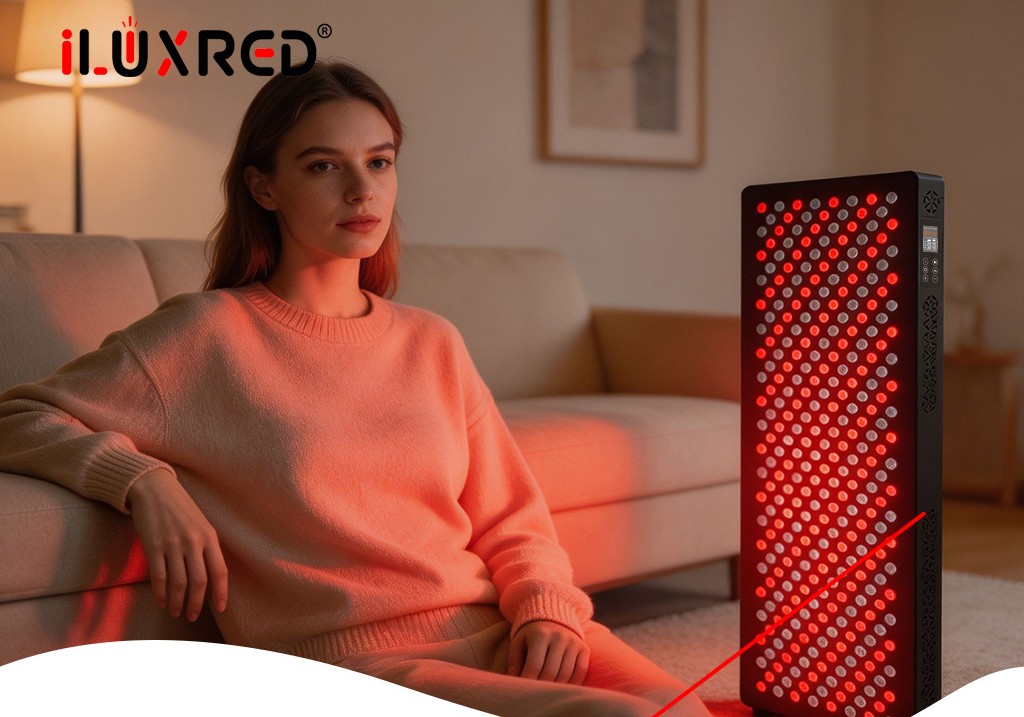
One reason red light therapy panels have found an audience beyond just athletes and people with obvious recovery needs is exactly this — they’re useful as a consistent maintenance habit, not just as something you reach for when things get bad.
Near-infrared wavelengths work at the tissue level, supporting circulation and cellular recovery in ways that help address the kind of low-grade tension and inflammation that builds up from ordinary daily life. Not dramatically, not overnight — but consistently and cumulatively, which is exactly the kind of effect that matters when you’re trying to stay ahead of a slow-building problem rather than chase it.
A lot of people find that once they start using a panel regularly, the metric they notice isn’t a dramatic improvement in any specific symptom — it’s that the slow background creep of tension and stiffness that they’d started to accept as normal quietly stops getting worse. And then, over a few weeks, starts to ease.
Choosing Something Built for Long-Term Regular Use
If you’re approaching this as a maintenance habit rather than a short-term fix, the calculus around which panel to buy shifts slightly. Something you’re going to use every day for years needs to be evaluated differently than something you’d use occasionally.
Build quality becomes more important relative to headline specs. A panel that performs consistently after 18 months of daily use is worth considerably more than one that looked great on paper but has degraded noticeably by month six. This is one of the reasons looking into reputable Red Light Therapy Panel Manufacturers tends to pay off more than just comparing specs across the cheapest available options — particularly when daily long-term use is the intention.
Paying Attention to What Your Body Is Telling You
There’s a version of “listening to your body” that most people practice — responding to obvious signals like sharp pain or acute injury. But there’s a subtler version that’s equally important and much less commonly practiced: noticing the lower-level signals that don’t demand immediate attention but are worth paying attention to anyway.
That persistent tightness in your upper back that’s been there for three weeks. The knee that’s been slightly uncomfortable on stairs for a month. The shoulder that feels fine most of the time but occasionally catches in a way that’s a bit alarming. These things are worth addressing before they become something harder to ignore.
Fitting It Into Real Life
The practical challenge with any recovery habit is that it needs to actually fit into a real schedule, not an idealized version of one. The most effective routine is always the one that’s realistic enough to actually happen consistently rather than the theoretically optimal one that keeps getting skipped.
This is part of why the simplicity of a panel session works in its favor — there’s no commute, no equipment setup, no booking required. Understanding who’s behind the product you’re buying — which Infrared Light Panel Supplier is responsible for its components and build — matters here because a panel that works reliably every single day without issues is one that stays in your routine, while one that starts causing problems removes itself from your routine whether you want it to or not.
FAQ
Why do minor aches tend to get worse if ignored?
The body compensates for discomfort by shifting load to surrounding areas, which can spread tension and create secondary issues over time — often in places that seem unrelated to where the original problem started.
Is red light therapy useful for prevention as well as recovery?
Yes. Regular use as a maintenance habit can help manage the low-level tension and inflammation that builds from daily life, potentially preventing minor issues from becoming more established problems.
How is choosing a panel different if I’m planning daily long-term use?
Build quality and durability become more important relative to headline specs, since a panel’s ability to maintain consistent performance over years of daily use matters more than how it performs in the short term.
What kinds of everyday discomfort tend to respond well to regular panel use?
Low-grade muscle tension, stiffness from prolonged sitting, and general recovery from daily physical activity are among the more common everyday issues people find respond well to consistent use.
How do I know if a panel is built well enough for long-term daily use?
Manufacturer reputation, warranty length, and component quality tend to be better indicators than specs alone — which is why researching who’s behind a product matters alongside comparing product listings.
Final Thoughts
The small aches that most people brush off as just part of life don’t have to be. The catch is that addressing them consistently requires treating recovery as a regular habit rather than something you only think about when things get bad enough to demand attention. Getting that habit in place early — before anything becomes a real problem — tends to be a lot easier than trying to course-correct once you’re already dealing with something more established.