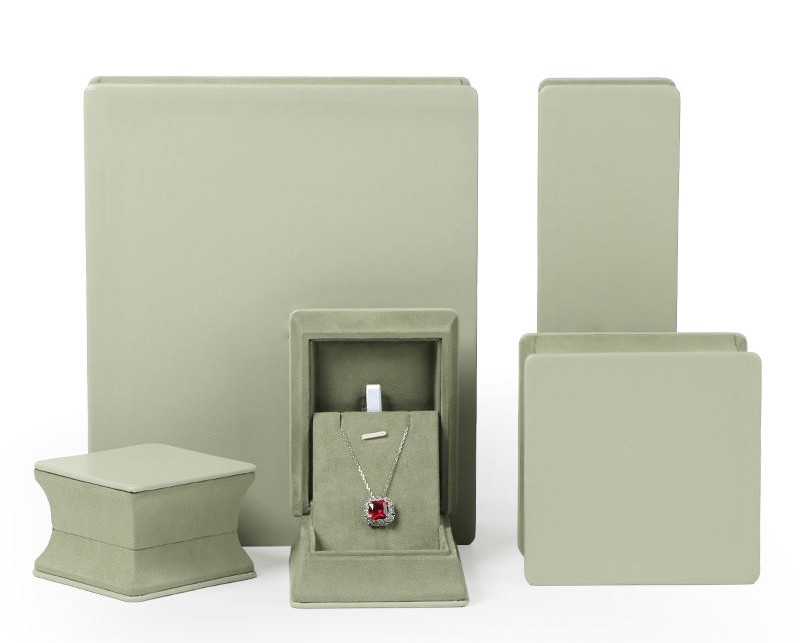
You’ve done the math. Generic velvet box: two dollars. Custom leather box: maybe twelve. Multiply by five hundred units, and the savings look obvious on a spreadsheet. Case closed, right?
Wrong. That spreadsheet is missing about six columns, and every single one of them is a cost you’re going to pay eventually. Maybe in returns. Maybe in damaged goods. Maybe in customers who never come back and never tell you why. In this piece, we’re going to walk through the full lifetime cost of your packaging decision, including the expenses that don’t show up on any supplier’s price list. By the end, you’ll understand why the cheapest option per unit is rarely the cheapest option per customer.
The Damage Cost Nobody Budgets For
Let’s start with a story that plays out in warehouses and fulfillment centers every single day. You order five hundred generic boxes. They arrive in a bulk carton, nested but not individually protected. You open the carton and start inspecting. Maybe ten percent have scuff marks from rubbing against each other during transit. Maybe a few have glue seepage at the seams. Maybe the hinges on a handful are already loose before they’ve ever held a piece of jewelry.
So now you’re either eating those defects or you’re spending time and labor sorting, returning, and waiting for replacements. That time has a dollar value, even if you’re a solopreneur doing it yourself. Every minute you spend fixing a packaging problem is a minute you’re not designing, marketing, or selling.
A proper leather jewelry box manufacturer that does quality control at the source reduces this invisible tax. Boxes arrive individually wrapped or securely compartmentalized. They’ve been inspected before they left the factory floor. Your defect rate drops from something you worry about to something you barely think about. That peace of mind isn’t free, but it’s cheaper than the alternative when you factor in your hourly rate.
And here’s the thing about generic packaging damage. It’s rarely dramatic enough to trigger a return. The customer doesn’t open a box with a slightly misaligned hinge and demand a refund. They just notice, quietly, that something felt a little off. That vague impression settles into their memory of your brand. They might not buy again. They definitely won’t post an unboxing video.
The Reorder Roulette Problem
Now, this is where most people go wrong. They find a generic box they like, order a batch, everything goes smoothly, and they assume the next order will be identical. Six months later, they reorder the same SKU and receive a slightly different shade of blue, a fractionally thinner velvet, a hinge that closes with a different sound. The supplier changed factories, or their factory changed material sources, and nobody told you because, frankly, you’re not big enough for them to bother.
That’s the hidden cost of transactional supplier relationships. No consistency guarantee. No commitment to your specific specifications. You’re playing packaging roulette every time you reorder, and your brand’s perceived quality fluctuates based on someone else’s sourcing decisions.
A long-term relationship with a dedicated leather jewelry box manufacturer changes this equation. They keep your specs on file. They maintain your approved material samples. They notify you before making any changes that might affect your product. The box you ship a year from now matches the box you’re shipping today. That continuity sounds boring, but it’s the foundation of brand trust. Customers don’t notice consistency. They only notice its absence.
Here’s a quick reality check on what switching costs actually look like:
| Cost Category | Generic Supplier | Dedicated Manufacturer |
| Per-unit price | Lower upfront | Higher upfront |
| Defect rate | 8-15% typical | 1-3% typical |
| Reorder consistency | Unpredictable | Documented and maintained |
| Communication during issues | Slow, vague | Direct, specific |
| Customization flexibility | Limited to what’s in stock | Built around your needs |
| Brand damage risk from quality drops | High | Low |
| Time spent managing supplier | Weeks per year | Days per year |
The per-unit price is the most visible number. It’s also the least informative if you look at it in isolation.
When “Good Enough” Packaging Hurts Your Margins
There’s a psychological pricing effect that doesn’t get discussed enough in the jewelry space. It’s called price anchoring, and your packaging plays directly into it.
Imagine you sell a necklace for one hundred fifty dollars. A customer receives it in a generic box that looks and feels like something from a mall chain’s clearance section. Their brain unconsciously anchors the entire experience to that generic price point. “This feels like a forty-dollar product.” They might keep the necklace. They might even like it. But they’re not going to pay one hundred fifty dollars again, because the packaging signaled that it wasn’t worth that much.
Now flip the scenario. Same necklace. Same price. But it arrives in a leather box with some weight to it, a soft suede interior, a closure that snaps with authority. The customer’s brain anchors differently. “This feels expensive. I got a deal.” They become a repeat buyer, and more importantly, they become an advocate. They show their friends. They give your jewelry as gifts.
The difference between those two outcomes isn’t the product. It’s the presentation. And you can’t fix a presentation problem by spending more on Instagram ads.
That’s where a long-term partnership with a custom leather jewelry box supplier starts to look less like an expense and more like a margin protection strategy. When the box supports your price point instead of undermining it, you stop having to discount to close sales. You compete on perceived value, not price. Looking for a leather jewelry box manufacturer that produces with QC consistency and material traceability turns your packaging from a recurring headache into a stable, predictable asset. You know what you’re getting, your customers know what to expect, and that reliability quietly pays for itself over time.
Frequently Asked Questions
How do I calculate the true cost of packaging defects?
Multiply your hourly rate by the hours spent inspecting, sorting, returning, and reordering defective packaging. Add any shipping costs for replacements. Add an estimate of lost repeat purchases from customers who received subpar packaging. That number is almost always larger than the per-unit savings from the cheaper supplier.
Is it worth paying more for packaging if I’m just starting out?
Yes, but within reason. You don’t need the most expensive option on the market. You need an option that won’t undermine your pricing. A small order of well-made boxes costs less in brand damage than a large order of cheap boxes that erode customer confidence.
What’s the difference between a supplier and a manufacturing partner?
A supplier fills orders. A partner maintains your specifications, anticipates your needs, communicates problems before they become disasters, and invests in your success because your repeat business matters to them. You pay a supplier. You invest in a partner.
Can I negotiate better pricing with a dedicated manufacturer?
Often, yes, but the conversation is different. Instead of squeezing the per-unit price, negotiate around order consistency, mold storage fees, and bulk reorder discounts. The long-term savings from reliability usually outweigh a small per-unit price reduction.
How do I know if my current packaging is costing me repeat sales?
Look at your repeat purchase rate alongside any qualitative feedback you receive. Do customers mention packaging in reviews? Does your unboxing experience generate organic social media mentions? If packaging never comes up positively, it might be holding you back silently.
The cheapest box is rarely the least expensive option once you account for everything that happens after the unboxing. Defects, reorder inconsistencies, and the quiet erosion of perceived value add up fast. Investing in a manufacturer who treats your packaging like it matters isn’t a luxury decision. It’s a math decision, and the math favors quality more often than the invoice alone suggests.