The field of surgery has evolved significantly over the last few decades, and laparoscopic surgery in Islamabad is a clear example of this progress. Today, many procedures that once required large incisions can be performed through tiny openings using advanced imaging systems and specialized instruments.
This minimally invasive approach has transformed patient care by reducing pain, minimizing scarring, and shortening recovery periods. As a result, laparoscopic procedures are becoming the preferred choice for many abdominal and pelvic surgeries.
Patients who are exploring treatment options often come across terms such as laparoscopic surgery, advanced laparoscopic techniques, and minimally invasive surgery. Understanding these concepts can help them make informed decisions about their health.
What is Laparoscopic Surgery?
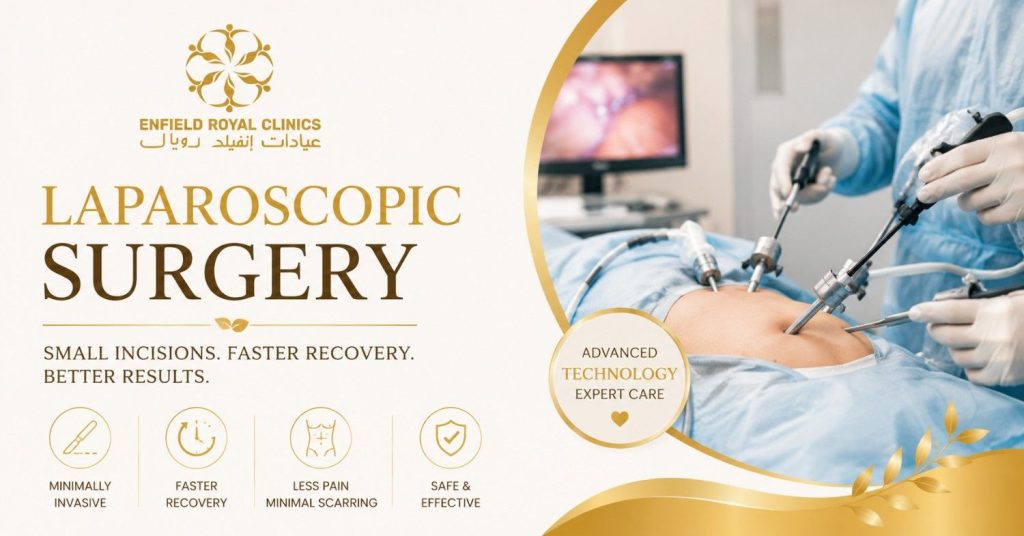
Laparoscopic surgery is a surgical technique where doctors perform operations using small incisions instead of a large surgical cut. A tiny camera known as a laparoscope is inserted into the body, providing a detailed view of internal organs on a monitor.
The surgeon then uses specialized instruments to perform the procedure with precision.
Compared with conventional surgery, this technique offers several advantages:
- Smaller incisions
- Less pain after surgery
- Faster healing
- Reduced blood loss
- Lower infection risk
- Shorter hospital stays
Because of these benefits, laparoscopic surgery has become an important part of modern healthcare.
How Laparoscopic Surgery Works
The procedure is designed to minimize trauma to the body while maintaining surgical accuracy.
During surgery:
- The patient receives anesthesia.
- Small incisions are made in the abdominal area.
- Carbon dioxide gas is introduced to create space inside the abdomen.
- A laparoscope is inserted to visualize the internal organs.
- Laparoscopic surgery instruments are used to perform the operation.
- The incisions are closed with minimal sutures.
The camera provides a magnified view of the surgical site, allowing the surgeon to work with exceptional precision.
Conditions Treated Through Laparoscopic Surgery
Laparoscopic surgery is widely used for both diagnostic and therapeutic purposes.
Common procedures include:
Gallbladder Surgery
One of the most common applications is laparoscopic surgery for gallbladder stones.
Gallstones may cause:
- Severe abdominal pain
- Nausea
- Indigestion
- Inflammation of the gallbladder
In these situations, doctors often recommend laparoscopic surgery gallbladder removal. The procedure is effective and usually allows patients to recover quickly.
Hernia Repair
Hernias can be repaired laparoscopically using small incisions, resulting in less pain and quicker recovery.
Appendix Removal
Laparoscopic appendectomy is commonly performed for appendicitis and is associated with shorter hospital stays.
Gynecological Procedures
Many pelvic conditions, including ovarian cysts and endometriosis, are treated through minimally invasive techniques.
Advanced Laparoscopic Surgery: A New Era of Precision
Modern healthcare has introduced advanced laparoscopic surgery techniques that enable surgeons to perform increasingly complex procedures.
These innovations include:
- High-definition imaging systems
- Three-dimensional visualization
- Energy devices for precise tissue control
- Robotic-assisted technology
- Enhanced surgical navigation systems
As these technologies continue to develop, minimally invasive surgery is becoming safer and more effective.
Role of Advanced Laparoscopic Surgeons
The success of minimally invasive procedures depends heavily on the skills of advanced laparoscopic surgeons.
These specialists receive extensive training in:
- Complex abdominal procedures
- Minimally invasive surgical techniques
- Advanced imaging systems
- Emergency laparoscopic procedures
- Surgical complication management
Their expertise allows them to perform surgeries with greater accuracy while minimizing risks.
Laparoscopic Surgery Instruments
Modern laparoscopic surgery instruments are specifically designed for operating through small incisions.
Common instruments include:
- Laparoscope with camera and light source
- Trocars
- Graspers
- Surgical scissors
- Electrosurgical devices
- Suction and irrigation tools
The continuous improvement of these instruments has played a major role in the growth of minimally invasive surgery.
Laparoscopic Surgery Recovery Time
One of the biggest advantages of minimally invasive procedures is the shorter laparoscopic surgery recovery time.
Recovery often follows this timeline:
First Two Days
Patients may experience:
- Mild soreness
- Temporary bloating
- Minor fatigue
Walking is generally encouraged to improve circulation and speed up recovery.
First Week
During this period:
- Pain decreases significantly.
- Daily activities become easier.
- Energy levels gradually improve.
Two to Four Weeks
Most patients:
- Return to work
- Resume light exercise
- Experience substantial healing
Recovery speed depends on the procedure and the patient’s overall health.
After Laparoscopic Surgery How Many Days Rest Are Required?
Many patients wonder, after laparoscopic surgery how many days rest are necessary.
Although the exact duration varies, general recommendations include:
- A few days of rest after minor procedures
- About one week before returning to office work
- Two to four weeks before resuming heavy physical activities
Following the surgeon’s instructions is essential for proper healing.
Laparoscopic Surgery Cost in Islamabad
The laparoscopic surgery cost in Islamabad can vary based on several factors.
These include:
- Type of surgery
- Complexity of the condition
- Hospital facilities
- Surgeon’s experience
- Diagnostic tests
- Post-operative care
Because each patient’s situation is unique, a consultation is usually required to determine the exact treatment plan and cost.
Choosing the Best Laparoscopy Hospital
Selecting the best laparoscopy hospital is an important step in achieving successful treatment outcomes.
Patients should consider:
- Availability of advanced technology
- Experience of surgeons
- Hygiene and safety standards
- Emergency care facilities
- Patient satisfaction and support services
Healthcare institutions such as Royal Cosmetic Surgery have expanded their healthcare services by introducing modern surgical technologies and minimally invasive treatment options in Islamabad.
The Future of Laparoscopic Surgery
The future of laparoscopic surgery is being shaped by rapid technological progress.
Innovations such as:
- Robotic-assisted surgery
- Artificial intelligence
- Real-time 3D imaging
- Smart surgical systems
are expected to improve surgical precision even further.
These advancements will likely make procedures safer, reduce recovery times, and improve patient experiences in the years ahead.
Final Thoughts
Laparoscopic surgery in Islamabad is redefining how modern surgery is performed. By combining advanced technology with minimally invasive techniques, it offers patients a safer and more comfortable alternative to traditional procedures.
From gallbladder surgery to hernia repair and many other abdominal treatments, laparoscopic methods continue to improve healthcare outcomes. As technology advances and surgical expertise grows, minimally invasive surgery will remain an essential part of patient-centered care.