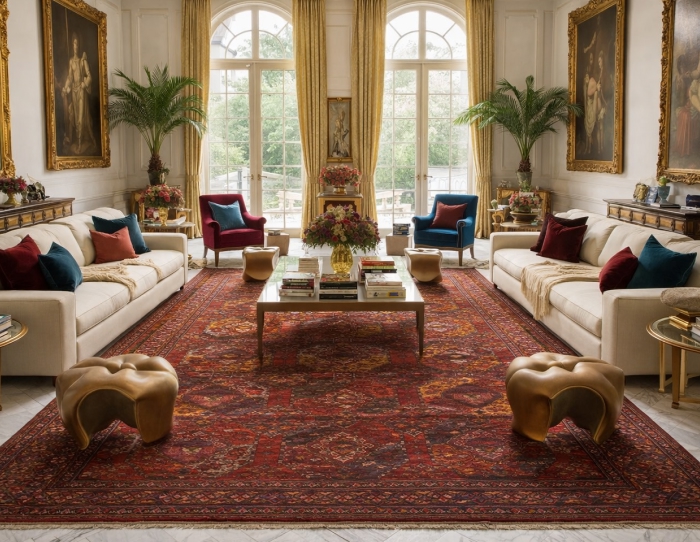
Color has the ability to transform an ordinary room into a memorable and inviting space. While neutral interiors remain popular for their versatility, introducing richer tones can create depth, personality, and visual excitement. A carefully selected color palette helps establish the mood of a room, making it feel cozy, energetic, sophisticated, or relaxed depending on the desired atmosphere.
Decorating with bold accents does not mean overwhelming a space. When used intentionally, vibrant shades can become focal points that complement existing furnishings and architectural details. By balancing strong colors with softer materials and timeless design elements, homeowners can achieve interiors that feel stylish while remaining comfortable for everyday living.
Using Color to Create a Focal Point
Every successful interior benefits from a feature that immediately draws attention. This focal point may be a fireplace, statement artwork, or a beautifully styled seating arrangement. Introducing rich colors is another effective way to establish visual interest and encourage a sense of balance throughout the room.
Warm tones often evoke feelings of comfort, energy, and hospitality. Shades inspired by terracotta, brick, burgundy, and deep crimson pair well with natural wood finishes, leather accents, and neutral upholstery. These combinations help create inviting environments suitable for entertaining guests or spending quiet evenings at home.
Many homeowners appreciate how a red rug can instantly add warmth and character to living rooms, dining areas, or bedrooms while serving as a striking anchor that ties furniture and decorative accessories together.
Balancing Bold Tones With Neutral Elements
Strong colors become more effective when balanced with calming shades. Neutral walls, soft textiles, and understated furnishings provide a backdrop that allows vibrant accents to stand out without dominating the overall design.
Cream, ivory, beige, and muted gray tones work particularly well alongside deeper reds because they soften the visual impact while maintaining an elegant appearance. Layering these colors creates depth and encourages a more refined aesthetic that feels curated rather than overly dramatic.
Decorative accessories offer opportunities to reinforce the chosen palette. Cushions, throws, ceramics, and artwork featuring complementary shades can help distribute color evenly throughout the room and create a harmonious composition.
Introducing Texture for Greater Dimension
Texture plays an important role in making interiors feel complete. Rooms filled exclusively with smooth surfaces may appear cold or impersonal, whereas layered materials contribute warmth and comfort.
Combining woven textiles, upholstered seating, linen curtains, and handcrafted decorative objects introduces subtle contrasts that enhance visual appeal. These elements become especially valuable when working with bold colors, as they help soften the overall effect and create a more welcoming atmosphere.
Natural materials continue to remain popular because they add authenticity and timeless charm. Wooden furniture, stone accessories, and ceramic accents pair beautifully with richer tones and support a balanced interior design approach.
Lighting further enhances texture and color. Sunlight reveals the nuances within fabrics during the day, while warm-toned lamps create cozy settings during the evening hours. Proper lighting ensures that deeper shades retain their richness without making spaces feel heavy.
Designing Rooms That Support Everyday Living
Beautiful interiors should also function effectively for the people who use them. Families often require spaces that adapt to changing routines, from entertaining guests to working remotely or simply enjoying moments of relaxation.
Durable furnishings and versatile layouts contribute to long-lasting comfort. Multi-functional furniture pieces, such as storage ottomans or nesting tables, maximize available space while maintaining a streamlined appearance. Thoughtful furniture placement encourages easy movement and prevents rooms from feeling cluttered.
Selecting timeless design features rather than chasing every emerging trend can help homeowners create spaces that remain appealing for many years. Investing in quality materials and meaningful decorative pieces supports a more sustainable and satisfying approach to decorating.
Finding Inspiration From Enduring Design Styles
Many popular interior styles emphasize warmth, craftsmanship, and personal expression. Traditional influences, transitional aesthetics, and eclectic decorating concepts continue to inspire homeowners seeking spaces with lasting appeal.
Studying Persian carpet weaving traditions can provide insight into the use of intricate patterns, rich colors, and artisanal techniques that have influenced interior design for centuries. Incorporating inspiration from these enduring practices allows homeowners to celebrate heritage while creating spaces that feel sophisticated and unique.
Creating a Home That Reflects Personal Taste
A thoughtfully decorated home tells a story about the people who live there. The most memorable interiors are not necessarily the most elaborate but those that successfully balance beauty, practicality, and comfort.
By combining carefully chosen colors, layered textures, and functional furnishings, homeowners can create inviting environments that encourage relaxation and meaningful connections. Small design decisions made with intention often have the greatest impact, transforming ordinary rooms into spaces that feel warm, stylish, and deeply personal for years to come.