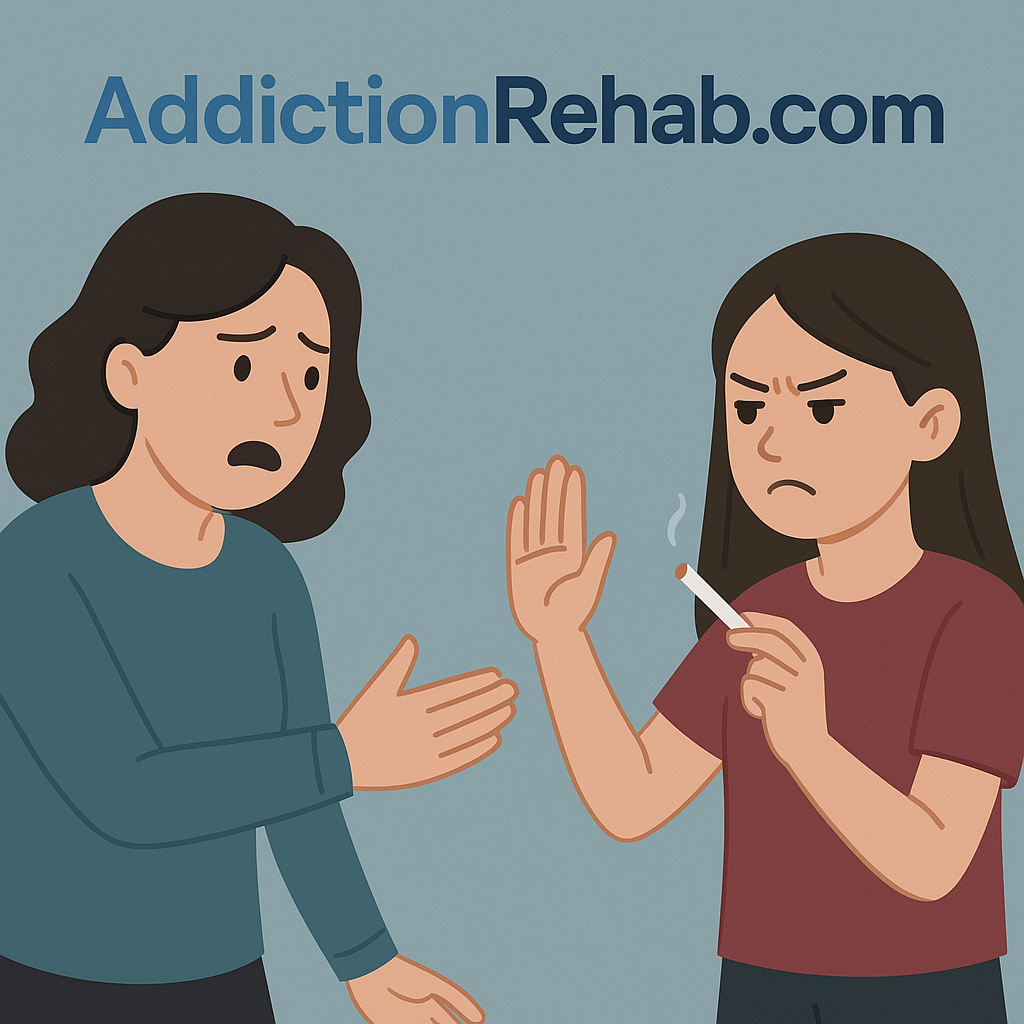
Addiction can quickly take control of a person’s life, affecting health, relationships, work, and emotional stability. When substance use becomes severe, a highly structured environment is often needed to support recovery. An inpatient rehab facility provides 24/7 care, medical supervision, and intensive therapy designed to help individuals break free from addiction and build a stable foundation for long-term sobriety.
Unlike outpatient care, inpatient programs remove individuals from everyday triggers and stressors, allowing them to focus entirely on healing in a safe and supportive setting.
What Is an Inpatient Rehab Facility?
An inpatient rehab facility is a residential treatment center where individuals stay full-time during their recovery program. Patients receive constant medical support, structured daily routines, and access to various therapies that address both the physical and psychological aspects of addiction.
These facilities are especially beneficial for individuals dealing with long-term substance use, severe withdrawal symptoms, or repeated relapse after previous treatment attempts.
Who Needs Inpatient Treatment?
Inpatient rehabilitation is recommended for people who require a higher level of care and supervision. This includes individuals who:
- Have a long history of substance abuse
- Experience strong withdrawal symptoms
- Struggle with repeated relapse
- Lack a stable or supportive home environment
- Have co-occurring mental health conditions
- Need medical detoxification under supervision
Because inpatient treatment provides constant monitoring, it significantly reduces risks during the early stages of recovery.
The Structure of Inpatient Rehab Programs
One of the key benefits of an inpatient rehab facility is its structured and predictable environment. Each day is carefully planned to promote healing, discipline, and personal growth.
Medical Detoxification
The recovery process often begins with detox. During this stage, the body clears itself of drugs or alcohol while medical professionals monitor symptoms. Depending on the substance, withdrawal can range from mild discomfort to serious medical complications, making supervised detox essential.
Individual Therapy Sessions
Patients work one-on-one with licensed therapists to explore the root causes of addiction. These sessions help individuals understand emotional triggers, past trauma, and behavioral patterns that contribute to substance use.
Group Counseling
Group therapy brings individuals together to share experiences and support one another. This setting helps reduce isolation and builds a sense of accountability, encouragement, and shared motivation.
Family Involvement
Addiction often affects the entire family system. Many inpatient programs include family counseling sessions to rebuild trust, improve communication, and educate loved ones on how to support recovery effectively.
Educational Workshops
Patients participate in educational sessions that focus on addiction science, coping strategies, stress management, and relapse prevention techniques. These tools help individuals prepare for life after treatment.
Benefits of an Inpatient Rehab Facility
Inpatient rehabilitation offers several advantages that make it one of the most effective treatment options for severe addiction.
24/7 Medical Supervision
Continuous monitoring ensures patient safety, especially during detox and early recovery when withdrawal symptoms can be unpredictable.
Structured Environment
A daily routine reduces uncertainty and helps patients focus on recovery without distractions or external pressures.
Removal From Triggers
Living in a controlled environment protects individuals from exposure to people, places, and situations that may encourage substance use.
Intensive Therapy
Frequent counseling sessions allow deeper emotional healing and faster identification of underlying issues related to addiction.
Peer Support
Being surrounded by others in recovery creates a strong sense of community and motivation.
Mental Health Support in Inpatient Care
Many individuals struggling with addiction also face mental health challenges such as anxiety, depression, or trauma-related disorders. Inpatient rehab facilities often provide integrated treatment that addresses both addiction and mental health simultaneously.
This dual-diagnosis approach improves recovery outcomes by treating the root causes of substance use rather than just the symptoms.
Life Inside an Inpatient Rehab Facility
A typical day in inpatient rehabilitation is structured to promote stability and healing. While schedules vary by facility, most programs include:
- Morning wellness routines
- Individual therapy sessions
- Group counseling meetings
- Physical activities or exercise
- Educational workshops
- Creative or mindfulness activities
- Evening reflection or support groups
This structured environment helps individuals develop healthy habits and routines that can continue after treatment ends.
Preparing for Life After Inpatient Rehab
Recovery does not end when a person leaves an inpatient rehab facility. Transition planning is a critical part of treatment. Patients often move into outpatient programs, sober living environments, or ongoing counseling services.
Aftercare planning may include:
- Continued therapy sessions
- Support group participation
- Relapse prevention strategies
- Lifestyle changes and goal setting
- Building a sober support network
These steps help individuals maintain stability and avoid returning to old habits.
Choosing the Right Inpatient Rehab Facility
Selecting the right treatment center is an important decision. Key factors to consider include:
- Accreditation and licensing
- Qualified medical and therapeutic staff
- Evidence-based treatment approaches
- Mental health services availability
- Personalized treatment plans
- Aftercare and relapse prevention programs
- Comfortable and supportive environment
A well-designed facility provides not just treatment, but a complete recovery experience focused on long-term success.
Conclusion
An inpatient rehab facility offers a safe, structured, and supportive environment for individuals facing severe addiction. With 24/7 medical care, therapy, and emotional support, patients can focus fully on healing without external distractions.
Recovery is a gradual process, but inpatient treatment provides the strong foundation needed to begin that journey. With the right care and continued support, individuals can rebuild their lives, restore relationships, and move forward toward a healthier and more stable future.