Kittens grow rapidly during their first year, and proper nutrition plays a major role in supporting their development. While many kittens do well on a balanced diet, some may show signs that they need more moisture in their meals. That’s where jelly food for kittens can be a good choice. Rich in moisture and often easier to eat, it can support hydration, digestion, and overall well-being.
If you have noticed changes in your kitten’s eating habits, energy levels, or litter box routine, it may be worth considering whether a moist diet could better meet their needs.
Why is Hydration So Important for Kittens?
Kittens are naturally less likely to drink large amounts of water compared to some other pets. In the wild, cats receive much of their hydration from food. Because of this, a diet with higher moisture content can help support healthy hydration levels.
Adequate hydration contributes to:
- Healthy digestion
- Proper nutrient absorption
- Urinary tract health
- Healthy skin and coat
- Overall energy and activity levels
A moist diet can be especially beneficial for kittens that do not seem interested in drinking enough water throughout the day.
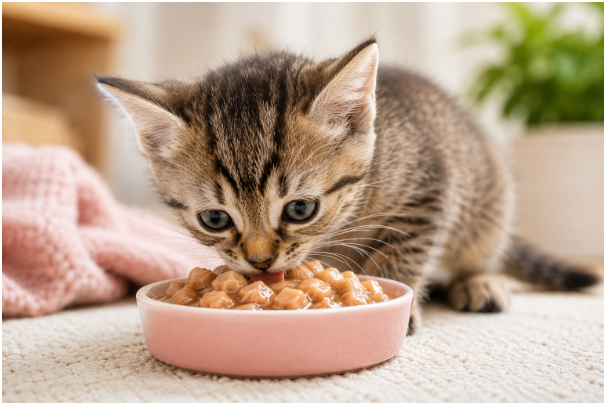
What Are the Signs Your Kitten May Need More Moisture in Their Diet?
Many pet parents wonder whether their kitten is getting enough hydration. Here are some common signs that may indicate a need for a moisture-rich feeding approach.
1. Your Kitten Rarely Drinks Water
One of the most obvious signs is a lack of interest in the water bowl. While some kittens naturally drink less than others, consistently low water intake can be a concern.
Offering jelly food for kittens can help increase daily moisture consumption without forcing your kitten to drink more water directly.
2. Dry or Hard Stools
Healthy digestion often depends on adequate hydration. If your kitten regularly produces dry, hard stools or seems uncomfortable during bowel movements, dehydration could be contributing to the issue.
Moist foods provide additional fluids that may help support smoother digestion and more regular bowel movements.
3. Frequent Digestive Upset
Some kittens experience occasional digestive sensitivity. Symptoms may include:
- Mild constipation
- Irregular stools
- Reduced appetite
- Occasional stomach discomfort
Because moist foods are often softer and easier to digest, they may be gentler on sensitive digestive systems.
Can Jelly Food for Kittens Help with Picky Eating?
Many kitten owners search online for answers to questions like, “Why is my kitten refusing food?” or “How can I encourage my kitten to eat?”
The texture and aroma of jelly food for kittens can be appealing to young cats. The soft consistency is often easier to chew and can make mealtime more enjoyable.
If your kitten frequently walks away from meals or only eats small amounts, introducing a moisture-rich food may encourage better eating habits.
Common Signs of a Picky Eater
- Sniffing food and walking away
- Eating only a few bites at a time
- Showing interest in food but refusing to eat
- Preferring certain textures over others
A change in texture can sometimes make a noticeable difference.
Does a Dull Coat Indicate a Need for Better Nutrition?
A kitten’s coat often reflects their overall health. While several factors can affect coat condition, poor hydration and inadequate nutrition may contribute to a dull or dry appearance.
When kittens receive sufficient moisture and balanced nutrients, their skin and coat often benefit as well.
This is one reason many owners choose jelly food for kittens as part of a complete and balanced feeding routine.
Why Might a Young Kitten Struggle With Dry Food?
Another common question pet owners ask is, “Can kittens eat dry food only?”
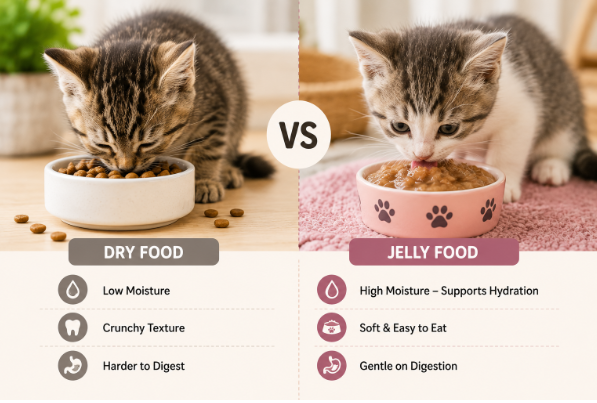
While many kittens can eat dry food, some may struggle with it during certain growth stages. Young kittens are still developing their teeth and chewing abilities.
Signs that dry food may be difficult include:
- Dropping kibble while eating
- Taking a long time to finish meals
- Avoiding food altogether
- Chewing very cautiously
In these situations, jelly food for kittens may provide a softer and more comfortable eating experience.
How Does Jelly Food for Kittens Support Healthy Growth?
Growing kittens require consistent nutrition to support the development of their muscles, bones, and immune systems.
Moist foods can contribute by:
- Increasing hydration intake
- Supporting easier digestion
- Encouraging regular eating habits
- Providing a palatable feeding option
When choosing food, it is important to focus on quality ingredients and freshness.
Many pet owners today prefer fresh food options over heavily processed alternatives. Brands like Billi Treats focus on fresh, homemade, preservative-free cat food made with quality ingredients. This approach helps provide cats with meals that prioritize nutrition, taste, and trust while remaining affordable for everyday feeding.
Should You Switch Your Kitten to a Moist Diet?
The answer depends on your kitten’s individual needs. If you notice signs such as poor water intake, digestive concerns, picky eating, or difficulty chewing, a moisture-rich diet may be worth discussing with your veterinarian.
Many owners find that including jelly food for kittens in their feeding routine helps support hydration and encourages more consistent eating habits.
The goal is not simply to feed your kitten but to ensure they are comfortable, well-hydrated, and receiving balanced nutrition that supports healthy development.
Frequently Asked Questions
Is jelly food good for kittens?
Yes, high-quality jelly food for kittens can be a good option because it provides additional moisture, supports hydration, and is often easy to eat and digest.
How can I tell if my kitten is dehydrated?
Signs may include low energy, dry gums, reduced appetite, infrequent urination, and little interest in drinking water. Consult a veterinarian if you suspect dehydration.
Can kittens eat moist food every day?
Yes, many kittens can safely eat moist food daily as part of a balanced diet that meets their nutritional requirements.
Why does my kitten prefer jelly food over dry food?
Some kittens enjoy the softer texture, more decisive aroma, and easier chewing experience that moist foods provide.
Is jelly food for kittens suitable for sensitive stomachs?
Many kittens with mild digestive sensitivities tolerate moist foods well because they are often easier to digest than dry alternatives.
Final Thoughts
Every kitten is unique, but paying attention to hydration levels, eating habits, and digestive health can help you make informed feeding decisions. If your kitten shows signs of low water intake, picky eating, or digestive discomfort, jelly food for kittens may be a practical way to support their overall well-being. Choosing fresh, high-quality food from trusted providers can further help ensure your kitten receives the nutrition they need during this important stage of growth.