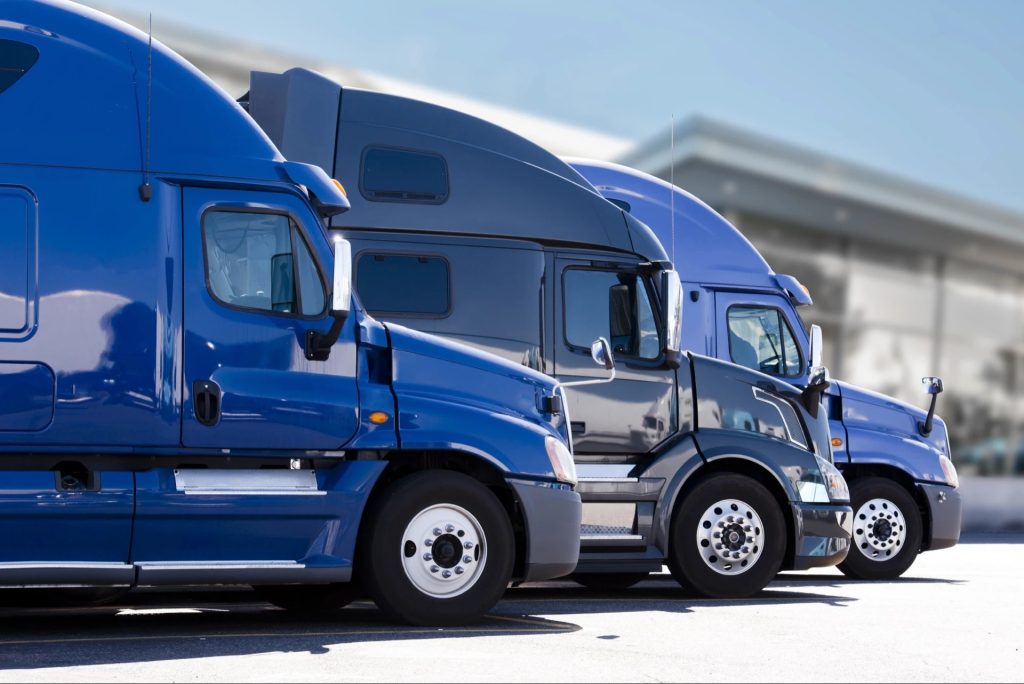
In industries where timing can directly affect productivity, project schedules, and customer satisfaction, transportation efficiency becomes a critical factor. This is where hotshot dispatch plays an important role. Hotshot trucking is designed for urgent, smaller loads that need to be delivered quickly, often without the delays associated with traditional freight networks.
Unlike standard trucking operations that may involve consolidated shipments and fixed routes, hotshot freight focuses on speed, flexibility, and direct delivery. Behind every successful hotshot load is a dispatch process that coordinates drivers, routes, schedules, and communication to ensure freight reaches its destination on time.
Understanding How Hotshot Dispatch Works
Hotshot dispatch refers to the coordination and management of time-sensitive freight movements handled by hotshot drivers. Dispatchers serve as the connection between shippers and drivers, helping organize loads, monitor schedules, and address logistical challenges throughout the transportation process.
A typical hotshot dispatcher is responsible for tasks such as:
- Identifying suitable freight opportunities
- Coordinating pickup and delivery schedules
- Managing communication between parties
- Monitoring route progress
- Handling documentation and load information
- Helping drivers maintain efficient operations
Because hotshot trucking often involves urgent deliveries, dispatching requires quick decision-making and strong organizational skills. Delays in communication or planning can impact delivery timelines, making effective dispatch management essential.
Why Hotshot Freight Continues to Grow in the USA
The demand for faster freight transportation has increased across many industries in recent years. Construction companies, manufacturers, oil and gas operators, agricultural businesses, and equipment suppliers frequently require expedited delivery services that traditional freight methods may not always provide.
Several factors contribute to the growth of hotshot trucking:
Increased Need for Rapid Deliveries
Many businesses operate with lean inventory systems and tight project deadlines. When critical equipment, parts, or materials are unavailable, production or operations may slow down. Hotshot transportation helps fill these urgent delivery gaps.
Flexible Transportation Options
Hotshot carriers typically use medium-duty pickup trucks and trailers rather than large semi-trucks. This allows them to access locations that may be difficult for larger vehicles to reach while providing greater scheduling flexibility.
Support for Regional Freight
A significant portion of hotshot loads involve regional transportation. Businesses often need freight moved between nearby states or within a specific region, making hotshot services a practical solution for shorter-distance deliveries.
The Role of a Hotshot Dispatcher in Daily Operations
A professional hotshot dispatcher does much more than assign loads. Dispatching involves balancing multiple moving parts while keeping both drivers and customers informed throughout the transportation process.
Key responsibilities often include:
Load Coordination
Dispatchers identify freight opportunities that match a driver’s equipment, location, and availability. Proper load selection helps maximize efficiency while reducing unnecessary mileage.
Route Planning
Traffic patterns, weather conditions, road restrictions, and delivery deadlines can all affect transportation schedules. Dispatchers evaluate these factors when planning routes.
Driver Communication
Frequent communication is essential in hotshot trucking. Dispatchers provide updates, relay customer instructions, and assist drivers when unexpected situations arise.
Documentation Management
Accurate paperwork remains an important part of freight transportation. Dispatchers often help organize load confirmations, delivery information, permits, and other transportation-related documents.
Problem Resolution
Mechanical issues, traffic delays, weather disruptions, and scheduling conflicts can occur without warning. Dispatchers help identify solutions that minimize operational disruptions.
Why Hotshot Dispatch Service in Texas Is Especially Important
Texas remains one of the most active freight markets in the United States. The state’s size, industrial activity, and geographic position create consistent demand for expedited transportation services.
A reliable hotshot dispatch service in Texas is particularly valuable because of several factors:
Energy Sector Activity
Texas is home to major oil and gas operations that frequently require urgent transportation of equipment, replacement parts, and specialized materials. Delayed deliveries can impact project timelines and operational efficiency.
Construction and Infrastructure Growth
Rapid population growth and ongoing development projects create continuous demand for building materials, machinery, and job-site equipment deliveries.
Strategic Freight Corridors
Texas serves as a major transportation hub connecting the southern, western, and central United States. Freight regularly moves through cities such as Houston, Dallas, Fort Worth, San Antonio, and Austin.
Large Geographic Coverage
The size of Texas presents unique logistical challenges. Coordinating routes efficiently across long distances requires strong dispatch planning and real-time communication.
These factors have contributed to the growing importance of specialized dispatch support within the state’s transportation industry.
Common Challenges in Hotshot Dispatch Services
Although hotshot transportation offers speed and flexibility, it also presents operational challenges that require careful management.
Tight Delivery Windows
Many hotshot loads are time-sensitive. Customers often expect same-day or next-day delivery, leaving little room for scheduling errors.
Equipment Availability
Matching available drivers and equipment with urgent freight can be difficult during periods of high demand.
Regulatory Compliance
Drivers and dispatchers must remain aware of transportation regulations, documentation requirements, and applicable state or federal rules.
Market Fluctuations
Freight demand can change quickly based on economic conditions, seasonal trends, and industry-specific factors. Dispatchers must adapt to changing market conditions while maintaining operational efficiency.
Communication Demands
Hotshot operations often involve multiple stakeholders, including shippers, receivers, brokers, and drivers. Effective communication helps prevent misunderstandings and delivery delays.
Choosing Reliable Hotshot Dispatch Support
For owner-operators and small trucking businesses, selecting quality dispatch support can significantly influence daily operations. While different providers offer varying levels of service, several characteristics consistently indicate dependable dispatch management.
These include:
- Strong industry knowledge
- Clear communication practices
- Understanding of regional freight markets
- Accurate documentation handling
- Efficient route planning capabilities
- Commitment to operational transparency
Many transportation professionals also value dispatch partners who understand the unique challenges associated with expedited freight.
Within the broader transportation industry, companies such as EverMark Dispatchers contribute to this segment by supporting drivers and helping coordinate freight operations across different markets. As with any logistics partnership, experience, communication, and reliability remain important considerations.
The Future of Hotshot Dispatch in Modern Logistics
As supply chains continue evolving, expedited freight solutions are expected to remain an important component of transportation networks. Businesses increasingly prioritize flexibility and responsiveness, creating ongoing demand for specialized dispatch coordination.
Technology is also influencing dispatch operations. GPS tracking, digital load boards, route optimization tools, and real-time communication platforms are helping dispatchers make faster and more informed decisions. These advancements improve visibility while supporting more efficient freight movement.
At the same time, the human element remains essential. Technology can provide information, but experienced dispatch professionals still play a critical role in solving problems, coordinating logistics, and managing unexpected situations.
Conclusion
Hotshot dispatch serves as a vital function within the transportation industry, helping coordinate urgent freight deliveries that support construction projects, manufacturing operations, energy production, and countless other sectors across the United States. Effective dispatching combines planning, communication, route management, and problem-solving to keep time-sensitive shipments moving efficiently.
As freight demands continue to evolve, professional hotshot dispatch services will remain an important resource for drivers, carriers, and businesses that depend on reliable expedited transportation. Whether supporting regional deliveries or managing complex logistics challenges, skilled dispatch coordination continues to be a key factor in successful hotshot operations.