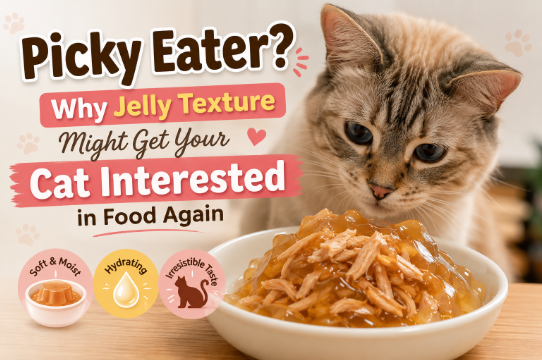
Hooman… is this yesterday’s dinner again?
Your cat strolls over to the food bowl, gives it a quick sniff, then walks away with its tail held high, as if royalty had walked out of a banquet that failed to meet the royal standards.
If you’ve tried different flavours, brands, and feeding tricks but your furry friend still refuses to eat, you’re probably looking for the best picky eater cat food.
But did you know taste is secondary for cats? Surprisingly, your furry friend is more particular about cat food texture. Even a delicious meal can be rejected if they don’t like the feel and smell of it. That’s why jelly food for cats has become a favourite among many fussy felines. Its soft, moist texture can make mealtime more inviting, especially for cats that turn their noses up at the sight of traditional food.
Let’s take a closer look at why texture matters and how jelly could help bring back those happy, bowl-licking moments.
Why Cats Become Picky Eaters
If your cat suddenly starts acting like Gordon Ramsey, don’t throw in the kitchen towel yet. Cats become picky eaters not just because you’ve become a bad chef; there are a hundred more reasons, and most of them don’t relate to taste.
- A stressful event, such as moving to a new home, welcoming another pet, or even rearranging the furniture, can affect a cat’s appetite. Our feline friends love routine, and even small changes can vanish their hunger.
- Cats are royalty, and eating the same food every single day can become…well…a little boring for them. Even if the recipe is nutritious, some cats simply lose interest after a while
- Physical discomfort is another common reason. Dental pain, sore gums, ageing, or sensitive teeth can make crunchy or hard-to-chew food a not-so-enjoyable delicacy. Older cats may also experience changes in their sense of smell, which plays a huge role in how appealing food seems.
- Sometimes, a cat won’t eat because of an underlying medical condition. Digestive issues, infections, kidney disease, or other health concerns can all reduce appetite.
A quick note for cat parents: If your cat refuses food for more than a day, eats significantly less than usual, or shows signs of illness such as vomiting, lethargy, or weight loss, it’s important to consult your veterinarian promptly. A loss of appetite that persists should never be ignored.
Now here’s something many people overlook. Sometimes the food isn’t the problem. It’s the way it feels inside your cat’s mouth.
The Role of Texture in Feline Appetite
Cats experience food very differently than we do.
While we often focus on flavour, cats rely heavily on smell and texture to decide whether something deserves a bite. As obligate carnivores, they’re naturally drawn to foods that resemble the moisture-rich meals their wild ancestors would have preyed on.
That means cat food texture can influence whether your cat eagerly finishes dinner or walks away after one curious sniff.
- Dry kibble is crunchy, but cats usually find it too hard to chew, especially if they have sensitive teeth or sore gums.
- Pate is smooth and rich, but too dense for your cat’s liking.
- Shredded recipes are good, and most cats do enjoy these meals, but some just lick off the wet food and leave the meat behind.
- Gravy-based meals are popular because they are aromatic and moist, which makes it easier to lap up.
- But if you’re looking for a mix of all the elements and want to ensure you can never go wrong with your feline’s next meal, jelly food for cats is your safest bet. The silky smooth coat on each piece of meat creates a succulent, juicy bite that is easy to lick, chew, and swallow.
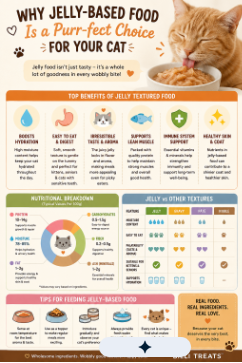
Why Jelly-Based Snacks are the Best Picky-Eater Cat Food
The jelly texture may tap into natural feline instincts.
In the wild, prey contains moisture-rich tissues and natural fluids. Jelly offers a somewhat similar eating experience by surrounding the protein with soft, slippery moisture that many cats instinctively enjoy.
Another big advantage is hydration.
Many cats naturally have a low thirst drive, which means they often get much of their moisture from food instead of the water bowl. Jelly-based meals help increase moisture intake while making every bite more satisfying.
The aroma also plays an important role.
Cats rely on their noses long before they take the first bite. Jelly recipes are often paired with highly aromatic proteins like chicken, allowing the delicious smell to travel more easily and encourage reluctant eaters.
If your furry companion usually licks all the gravy first, there’s a good chance they’d enjoy the consistency of jelly even more.
Quality matters too.
A jelly recipe made with real meat and simple ingredients offers both flavour and nutrition without relying on unnecessary fillers.
If you’d like to introduce your cat to a softer, moisture-rich option, homemade jelly cat treats made with real chicken can be a gentle meal to start with.
Signs Your Cat Might Respond Well to Jelly Food
Every cat has their own dining habits. Some clean the bowl in minutes; others inspect dinner like they’re judging a cooking competition.
If your little food critic shows any of these behaviours, jelly might be worth adding to the menu.
The Eat Around Certain textures
Does your furry foodie lick up all the gravy and leave the meat behind?
That’s often less about taste and more about texture. Some cats simply prefer foods that are smooth enough to slurp instead of chewing things through.
They Turn Every Meal Into a Negotiation
One day your feline partner loved your food. The next day, she acts as if you’ve served her cardboard. If your cat constantly keeps you guessing at mealtime.
Introducing a different texture can make eating feel exciting again for your cat without completely changing their diet.
They Prefer Softer Bites
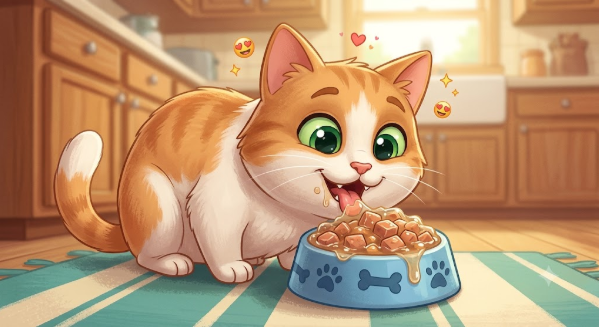
As cats get older, crunchy food isn’t always as enjoyable as it once was. Even younger cats with dental sensitivity may naturally gravitate towards softer food that requires less effort.
They Need a Li’l Extra Encouragement
Some cats don’t rush to the bowl. They just sniff their food, stare at the bowl, wander off, and then circle back five minutes later as if they were still deciding.
A silky jelly coating can make food more inviting by changing how it feels from the very first lick.
How to Introduce Jelly Food to a Picky Eater
We cats appreciate consistency… until we don’t.
A completely new meal can be just as sus’ as an empty food bowl. That’s why small changes usually work much better than overnight swaps.
Let Curiosity Win
Instead of replacing the whole meal, mix a spoonful of jelly into my food bowl. I’ll recognise the trick you played up your sleeve, but I can let it pass to discover new textures and variety…tbh, I’m just bored to death with your existing box-packed meals.
Wake up Our Nose
Here’s a little cat secret I’m sharing with you…
Our noses do most of the decision-making even before taking a bite. Heat up the food for a few seconds and let that delicious aroma fill the air. It will make it much harder for our curious whiskers to ignore.
Make My Favourite Meal Tastier
You can get creative with your food-serving techniques.
Try adding jelly cat treats as a topper over kibble or wet food. It’s an easy way to refresh a familiar meal without making it feel completely different.
Don’t Expect Love at First Bite (I still don’t like your fashion sense …ehh)
Some cats fall in love immediately…buhaha, that’s a big fat lie.
It takes us 9 lives to actually love our hooman friends, so don’t be discouraged if I walk away the first time you serve jelly cat food. Keep repeating and trust the process; chances are I will start liking it in a few days or weeks.
Why Quality and Ingredients Matter
Not all jelly-based cat foods are equally appealing and healthy.
Some use artificial thickeners, unnecessary fillers, added colour, or low-quality protein that offers little nutritional value. While they may look appetising, the ingredient list tells a different story.
When choosing jelly foods for cats, look for recipes that put real meat first. Short, simple ingredient lists are usually a good sign because you know exactly what your cat is eating.
For your cat’s well-being, avoid artificial preservatives whenever possible. Cats thrive on wholesome ingredients that support their natural dietary needs. Homemade, small-batch recipes often focus on quality over quantity, giving cat parents extra confidence about what’s going into every bowl.
How to Know if You’re Feeding the Right Ingredients to Your Cat
Billi Treats Homemade Chicken Jelly is created with the highest quality standards and nutritional value in mind. Made with real chicken and wholesome ingredients, its soft, moist texture is designed to be easy to enjoy while adding extra hydration to your cat’s diet.
Whether your furry companion prefers licking before chewing, needs a softer meal, or simply enjoys moisture-rich food, it’s an easy, low-pressure way to see if jelly is the key to happier mealtimes. Check out our homemade chicken jelly-cat treats today.
Because every satisfied purr starts with a meal your cat actually wants to eat.
Conclusion
If your cat has become a picky eater, don’t lose hope just yet.
Sometimes changing the flavour isn’t what your cat’s looking for but a new experience. Cat food texture plays a much bigger role than many cat parents realise, and a soft, moisture-rich option like jelly food for cats can make meals feel more appealing, especially for slow eaters.
Every cat is different, so a little trial and patience may be all it takes to discover what gets those whiskers twitching again.
If you’re curious whether jelly is the missing ingredient, try a small serving and watch your cat’s reaction. And remember, if appetite loss continues or your cat shows signs of illness, always seek advice from a vet.
Here’s hoping the next time your furry foodie walks up to the bowl, they stay for every last bite.