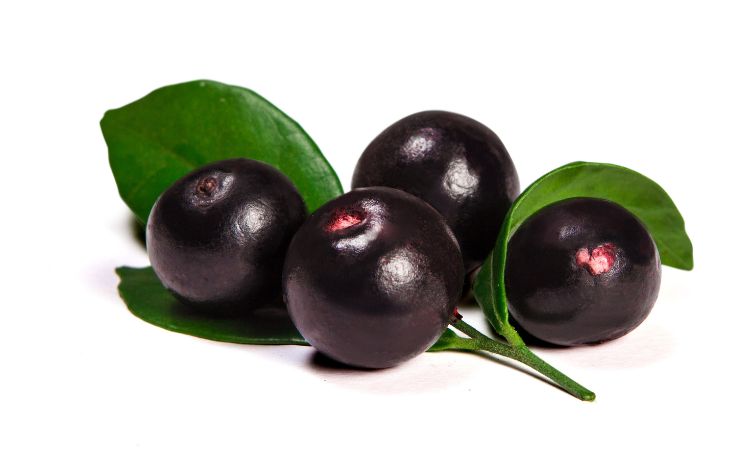
The global acai berry market has witnessed impressive growth in recent years, fueled by increasing consumer awareness of health and wellness benefits. In 2024, the market attained a value of USD 1.00 billion. With its rich antioxidant properties and versatile applications, acai berries are rapidly becoming a staple ingredient in a wide range of products. The market is projected to expand at a robust compound annual growth rate (CAGR) of 11.20% between 2025 and 2034, reaching an estimated value of USD 2.89 billion by 2034.
This blog dives deep into the current landscape of the acai berry market, analyzing its segmentation by application, product form, and distribution channels, while also exploring regional dynamics, competitive players, and emerging trends shaping the market’s future.
Application Segmentation: Versatility Driving Demand
Beverages
One of the largest applications of acai berries lies in the beverage industry. Acai’s natural deep purple color, combined with its nutritional profile rich in antioxidants, vitamins, and healthy fats, makes it a favorite ingredient in juices, smoothies, and energy drinks. Consumers today are leaning toward beverages that offer not just hydration but also functional health benefits. This shift has encouraged beverage manufacturers to innovate, introducing acai blends that cater to specific wellness trends such as immunity boosting, detoxification, and energy enhancement.
Smoothie bowls and ready-to-drink juices featuring acai are particularly popular in urban markets where convenience and health go hand in hand. Moreover, the rise of plant-based and natural ingredient beverages globally has further accelerated the use of acai as a key flavor and functional ingredient.
Dietary Supplements
The dietary supplements sector is another major contributor to acai berry demand. Available in capsules, powders, and extracts, acai-based supplements target consumers interested in weight management, anti-aging, cardiovascular health, and immune support. The clean-label trend, where consumers seek natural and organic supplements free from artificial additives, benefits acai products immensely.
Innovations in supplement formulations are expanding the appeal of acai beyond traditional health food consumers to a broader demographic seeking preventive health measures and wellness maintenance.
Confectionery
Though smaller than beverages and supplements, the confectionery segment is growing steadily with acai-infused chocolates, candies, and snack bars. Health-conscious consumers want indulgence without guilt, and acai provides an opportunity to offer products that blend flavor with nutritional benefits. This has led to novel product launches, combining acai with superfoods like chia seeds and goji berries to attract niche market segments focused on functional snacking.
Product Form: Meeting Diverse Consumer Needs
Pulp
Acai pulp, available fresh or frozen, is primarily used in beverages and food preparations. The perishable nature of pulp requires an efficient cold chain, but its use allows manufacturers to preserve the fruit’s natural nutrients and flavor profile. Fresh and frozen pulp is preferred by smoothie bars, cafes, and juice manufacturers, enabling them to offer authentic acai experiences.
However, the reliance on cold storage and transportation infrastructure can limit pulp availability in some regions, prompting interest in alternative product forms.
Dried
Dried acai products, such as powders and flakes, have gained popularity due to their longer shelf life and ease of incorporation into various formulations. They are particularly prevalent in dietary supplements, baked goods, and health snacks. Powdered acai allows for precise dosing in supplements and convenient blending into smoothies and cereals.
The dried form’s versatility makes it attractive for both manufacturers and consumers seeking convenient, shelf-stable superfood ingredients.
Distribution Channels: Expanding Access to Consumers
Hypermarkets and Supermarkets
Hypermarkets and supermarkets continue to dominate as the primary distribution channel for acai products. Their extensive reach and the ability to stock a wide variety of acai-based products—from frozen pulp to packaged snacks and supplements—make them essential to the market’s growth. These retail outlets cater to health-conscious shoppers seeking convenient, ready-to-consume superfood options.
Bulk purchasing options and promotional activities at these stores also drive sales volume, especially in developed markets with established wellness trends.
Convenience Stores
Convenience stores are playing an increasingly important role in urban and suburban markets, offering quick access to on-the-go acai beverages and snack products. Although the product range here is more limited than in supermarkets, convenience stores provide critical touchpoints for impulse purchases and younger, time-sensitive consumers.
As consumer lifestyles become busier, convenience stores are expected to increase their acai product offerings, especially ready-to-drink beverages and portable snack bars.
Others (Online and Specialty Stores)
The online retail channel and specialty health food stores represent fast-growing avenues for acai product distribution. E-commerce platforms offer consumers unparalleled access to a diverse range of acai items, often including niche organic or artisanal products. Digital marketing and social media further amplify the visibility and accessibility of acai, enabling direct-to-consumer sales and subscription models.
Specialty stores focus on organic, natural, and premium acai products, catering to a dedicated health and wellness customer base willing to pay a premium for quality and authenticity.
Regional Analysis: Global Growth Centers
North America
North America remains a key market for acai berries, driven by strong health and wellness trends, a mature retail ecosystem, and high consumer spending on superfoods. The U.S. and Canada lead in product innovation and adoption, supported by established cold chain logistics.
Europe
Europe is experiencing growing demand, particularly in Western countries where organic food trends and natural supplements have gained significant traction. Countries like Germany, the UK, and France are seeing expanding acai product penetration in supermarkets and specialty stores.
Asia-Pacific
Asia-Pacific is the fastest-growing region, driven by urbanization, rising disposable incomes, and increasing health consciousness. Markets like China, Japan, India, and Australia are rapidly adopting acai products, both through retail and foodservice sectors.
Latin America
Latin America represents a traditional acai consumer base, particularly in Brazil, where the berry is native. The region shows potential for export expansion and innovation in processed acai products targeting international markets.
Middle East and Africa
Though smaller in scale, the Middle East and Africa are emerging markets with increasing interest in superfoods, presenting future growth opportunities as consumer awareness grows.
Competitive Landscape
The acai berry market features a mix of global players and regional specialists. Leading companies compete through product innovation, organic certifications, sustainable sourcing, and expanding geographic footprints. Partnerships with local growers and investment in supply chain sustainability are common strategies.
Startups and smaller brands are also carving niches with innovative formulations and marketing targeted at younger, health-conscious consumers.
Key Trends and Developments
- Rising demand for organic, non-GMO, and sustainably harvested acai berries
- Product innovation blending acai with other superfoods and flavors
- Increasing consumer preference for clean-label, minimally processed foods
- Adoption of blockchain and traceability technologies to assure product authenticity
- Expansion of e-commerce and direct-to-consumer sales models