There was a time not so long ago when improving a room’s acoustics meant sacrificing its appearance, with ugly foam tiles in garish colors or bulky fabric panels that looked more suited to a recording studio than a living room. That era has happily come to an end with the emergence of acoustic panels designed specifically for stylish interiors. These modern solutions prove that you absolutely can have both beautiful spaces and excellent sound quality, whether you’re trying to reduce echo in an open-concept home, create a peaceful bedroom retreat from street noise, or simply make your home theater sound as good as it looks. The technology behind acoustic panels has evolved dramatically, with engineered materials that absorb unwanted sound frequencies while the visual design ranges from subtle textures that blend into walls to bold artistic statements that become focal points. This combination of performance and aesthetics means you no longer need to hide your acoustic treatments or relegate them to utilitarian spaces. They can take their place proudly among your carefully considered design elements, contributing to both the sensory experience and visual appeal of your home.
Understanding How Acoustic Panels Actually Work
Before diving into design options, it helps to understand what acoustic panels actually do and why they make such a difference in how your rooms feel and function. Sound behaves in predictable ways when it encounters surfaces, reflecting off hard materials like glass, drywall, and tile while being absorbed by soft, porous materials like fabric, foam, and fiberglass. In rooms with many hard surfaces, sound bounces around repeatedly, creating echoes and reverberation that make conversations difficult to understand and music sound muddy and indistinct. This phenomenon, often called the “lively room” effect, can make spaces feel uncomfortable and chaotic even when they look beautiful. Acoustic panels interrupt this process by providing absorption that captures sound waves rather than reflecting them. The porous materials convert sound energy into tiny amounts of heat through friction as air molecules move through the panel structure. Strategic placement of panels at key reflection points tames these unwanted echoes, leaving you with cleaner sound that dies away naturally rather than bouncing around indefinitely. The result is a room that feels quieter, more intimate, and more controlled, with conversations easier to follow and music or movies sounding their absolute best.
The Aesthetic Evolution From Utilitarian to Stylish
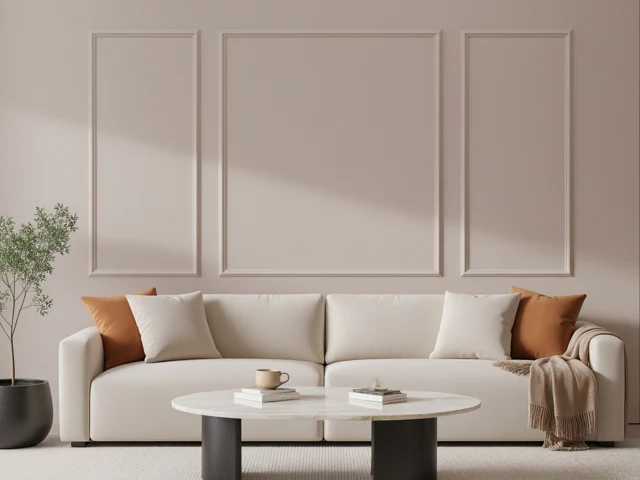
The visual transformation of acoustic panels over the past decade represents one of the most dramatic design evolutions in home improvement. Early acoustic treatments prioritized performance above all else, resulting in products that looked exactly like what they were, functional foam in whatever colors were cheapest to manufacture. Designers and homeowners tolerated these eyesores in home theaters and music rooms but certainly didn’t want them visible in living areas. Today’s acoustic panels bear almost no resemblance to those utilitarian ancestors. Manufacturers now offer fabric-wrapped panels in virtually any color imaginable, allowing them to blend seamlessly with your wall color or provide subtle contrast. Wood veneer options bring warmth and natural beauty to spaces where organic materials suit the aesthetic. Some panels feature printed artwork, transforming necessary acoustic treatment into gallery-worthy wall decor. Geometric shapes and three-dimensional surfaces add architectural interest while performing their acoustic duties. This aesthetic evolution means you can now treat acoustics throughout your entire home, not just in dedicated media spaces, addressing sound quality in open-plan living areas, home offices, dining rooms, and bedrooms without compromising your design vision.
Strategic Placement for Maximum Effectiveness
Getting the most from your acoustic panels requires thoughtful placement based on how sound behaves in your particular space, turning a good investment into a great one. The most critical locations are typically the first reflection points, the spots on walls where sound from your speakers or television would bounce directly toward your listening position. In a home theater or music room, these points deserve priority attention. In living areas where conversation is the primary activity, treating the wall behind seating areas often provides the most noticeable improvement, absorbing sound that would otherwise reflect back toward speakers. Ceilings in rooms with hard flooring benefit from panels that capture sound before it can bounce around, particularly in open-concept spaces where echo can become overwhelming. Corners accumulate low-frequency sound that can make rooms feel boomy, so corner treatments with bass traps specifically designed for these frequencies address this common issue. For spaces with noise problems from outside, panels on the walls facing the noise source provide some benefit, though they work best as part of a comprehensive approach that includes window treatments and weather sealing. The beauty of modern panels lies in their flexibility, you can start with strategic placement and add more over time as you identify remaining problem areas.
Material Options for Different Applications
The range of materials available for acoustic panels allows you to match your choice to both your performance needs and your aesthetic preferences. Fabric-wrapped fiberglass panels represent the most common option, offering excellent absorption across a wide frequency range while providing virtually unlimited color and fabric choices. These panels work beautifully in home theaters, media rooms, and any space where maximum acoustic performance matters most. Foam panels, the traditional choice, remain popular for their affordability and effectiveness, with improved aesthetics that include sculptural shapes and better color options than early versions. Wood wool panels combine natural materials with excellent acoustic properties, offering textured surfaces that add visual warmth while controlling sound effectively. Perforated wood panels backed with acoustic fabric provide the look of fine cabinetry with the performance of dedicated acoustic treatment, ideal for spaces where wood aesthetics dominate. For the ultimate in design flexibility, custom printed panels allow you to feature artwork, photography, or patterns that complement your decor while performing their acoustic duties invisibly. Each material brings different acoustic characteristics, with some absorbing more high-frequency sound while others target problematic low frequencies, allowing you to tune your room’s response to your specific needs.
Installation Approaches From Simple to Substantial
Getting your acoustic panels securely and attractively installed depends on choosing the right approach for your particular panels and wall conditions. Many fabric-wrapped panels come with mounting systems that make installation remarkably straightforward, often using Z-clips or similar hardware that attaches to both panel and wall, allowing the panel to hang securely while remaining removable if needed. This approach works well for renters who need to take their acoustic treatment with them when they move. Adhesive mounting provides the simplest option for lightweight panels, with strong double-sided tape or construction adhesive holding panels firmly in place on properly prepared walls. For heavier panels or permanent installations, mechanical fasteners through the panel surface offer maximum security, with careful finishing making the attachment points invisible. Some panels install into track systems that allow repositioning and adjustment, ideal for spaces where you might want to reconfigure your acoustic treatment as needs change. The installation method you choose should consider both the panel weight and your long-term plans, with rent-friendly options preserving your ability to reverse the installation and permanent methods providing maximum security for substantial investments in acoustic treatment.
Integrating Panels With Existing Decor
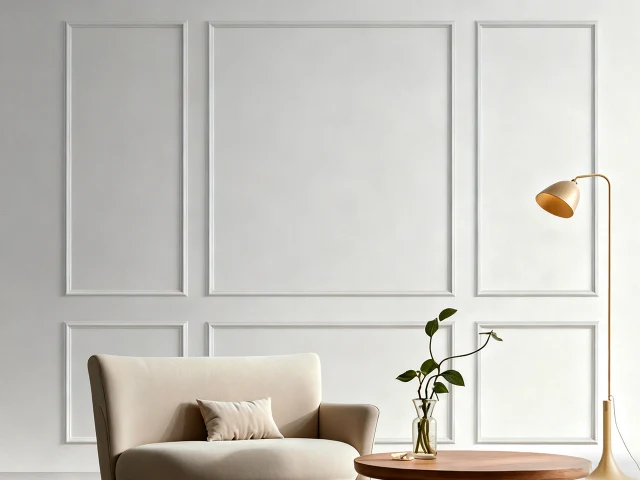
The most successful acoustic panel installations feel like intentional design choices rather than afterthoughts, integrating seamlessly with your existing decor while performing their sound-control duties. One effective approach involves matching panel colors exactly to your wall color, allowing them to disappear visually while working acoustically. This works particularly well in rooms where you want the acoustic treatment to be felt rather than seen. For spaces where panels become design features, consider arranging them in patterns that relate to other room elements, perhaps echoing the lines of your furniture or the proportions of your windows. Grouping panels of different sizes creates visual interest while addressing multiple reflection points. Some designers use acoustic panels as opportunities to introduce color or texture that otherwise wouldn’t exist in a room, making them contributions to the aesthetic rather than compromises. In home offices, panels behind your computer setup can serve double duty, improving sound for video calls while providing an attractive backdrop for your professional presence on camera. This integration thinking transforms acoustic treatment from a technical necessity into an opportunity for enhanced design expression.
Measuring the Difference in Your Daily Life
The benefits of well-executed acoustic treatment extend far beyond the technical specifications, fundamentally changing how you experience your living spaces every day. Conversations become easier as voices are clearer without competing against reflected sound. Television and music require lower volume levels to achieve clarity because you’re hearing direct sound rather than a muddy combination of direct and reflected audio. Rooms feel more intimate and controlled, with a sense of calm that comes from reduced acoustic chaos. For home workers, video calls improve dramatically as your voice reaches the microphone cleanly and participants on the other end hear you without hollow echo. Sleep quality can improve when bedrooms receive treatment that reduces the impact of household noises and outside disturbances. Even the way you perceive the size of your space changes, with treated rooms often feeling more substantial and defined because the acoustic boundaries are clearer. These daily differences, while harder to measure than technical specifications, represent the true value of acoustic panels. They transform the sensory experience of your home in ways that enrich everything from quiet moments alone to lively gatherings with family and friends, making your investment in stylish soundproofing pay dividends in quality of life every single day.