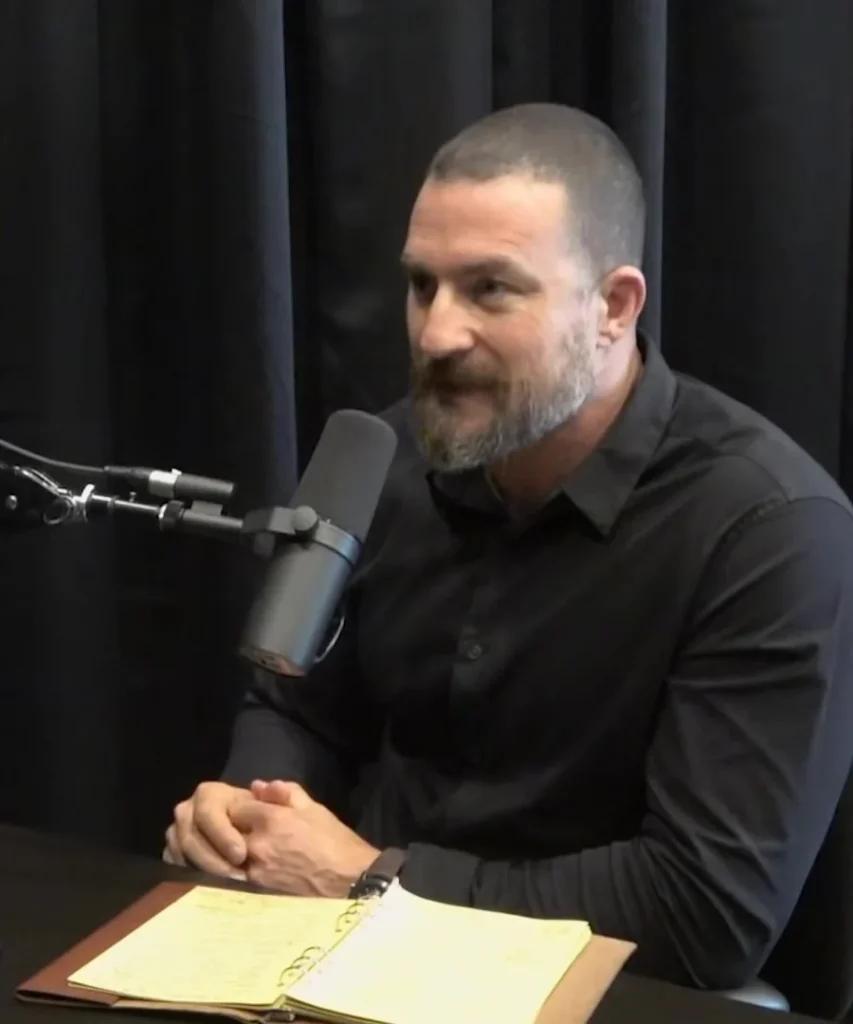
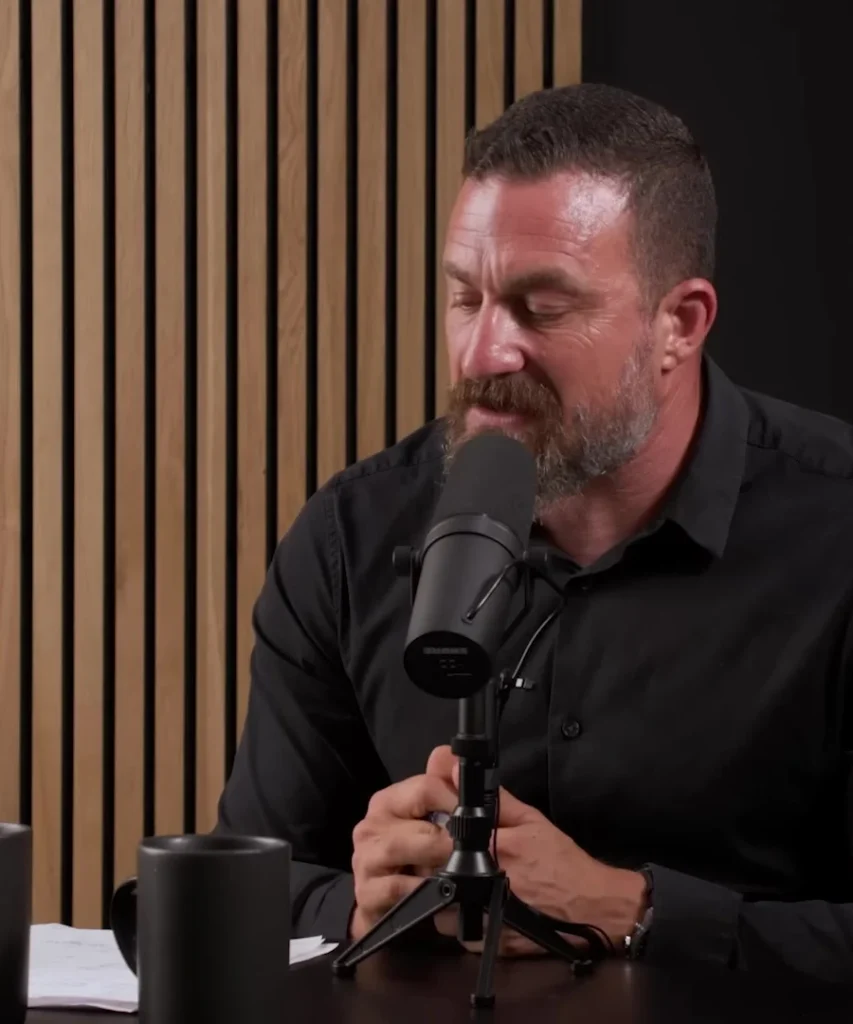
Inside a modest laboratory at Stanford School of Medicine, Dr. Andrew Huberman and his team are quietly mapping the neural circuits that control everything from your fear response to your ability to see opportunity in uncertainty. While the public knows him as a podcast host, his day job as a professor of neurobiology involves cutting-edge research that’s changing how we understand the brain’s relationship with the body. The latest findings from his lab go far beyond simple productivity tips, diving into how specific brain circuits influence vision, stress recovery, social behavior, and even the immune system. What makes this research so exciting is that much of it translates directly into daily behaviors you can use to feel better and think more clearly. Let’s take a look at what Huberman’s team has uncovered recently and what it means for your everyday health.
The Locus Coeruleus: Your Brain’s Focus Dimmer Switch
One of the most significant discoveries from Huberman’s lab involves a tiny blueish cluster of neurons called the locus coeruleus, which sits deep in the brainstem. Recent research shows that this structure acts less like an on-off switch for attention and more like a dimmer switch. When activity in the locus coeruleus is low, your mind wanders and you feel sleepy. When it’s moderately active, you enter a state of alert focus perfect for learning and problem solving. When it’s too high, you become anxious, scattered, and prone to mistakes. Huberman’s team has identified that you can adjust this dimmer switch using specific visual and breathing protocols. For example, looking at a fixed point while reducing your blink rate turns the dimmer up to the moderate, ideal level. Conversely, panoramic vision with rapid blinking turns it down. This research explains why previous focus advice felt vague—it wasn’t targeting the right circuit. Now, we have a precise neural target and precise behavioral tools to control it.
The Infralimbic Cortex and Fear Extinction
Another breakthrough from the Stanford lab involves a brain region called the infralimbic cortex, which plays a surprisingly underappreciated role in unlearning fear. For years, scientists believed that treating phobias or trauma required overriding old memories with new ones. Huberman’s research shows something different: the infralimbic cortex actually suppresses fear memories rather than erasing them. This means that you can’t permanently delete a bad experience from your brain, but you can build a stronger circuit that overrides it. The practical implication is huge. Instead of trying to avoid triggers, you can deliberately expose yourself to mild versions of what scares you while keeping your body calm. Over time, the infralimbic cortex learns to step in and quiet the fear response before it fully activates. Huberman’s lab has shown that this process works best when you practice for just five minutes daily, not in long, exhausting sessions. This finding has already influenced how therapists treat anxiety disorders and how ordinary people handle public speaking nerves or social anxiety.
The Retina-Hypothalamus Pathway for Mood Regulation
Most people think of their eyes as windows to the world, but Huberman’s research reveals they’re also direct control panels for your mood. The lab has mapped a specific pathway from a subset of cells in the retina to a brain region called the suprachiasmatic nucleus, which then signals to mood-regulating circuits like the habenula. When these retinal cells detect morning sunlight, they trigger a cascade that raises serotonin and dopamine levels for the rest of the day. When they detect evening blue light from screens, they signal the opposite—lowering mood and increasing the risk of depressive symptoms. The latest research from the lab has identified that these retinal cells are most sensitive to light that is low in the horizon, which is why sunrise and sunset have such powerful effects. For optimal mental health, Huberman now recommends not just getting morning sunlight but actually looking toward the horizon where the sun is rising, rather than staring directly at the sun itself. This simple adjustment doubles the mood-boosting effect compared to just being outside in daylight.
Interoception and the Anterior Insula’s Role in Decision Making
A fascinating line of research in Andrew Huberman lab focuses on interoception—the sense of what’s happening inside your body—and a brain region called the anterior insula. Using functional MRI and physiological monitoring, his team has shown that people who are better at detecting their own heartbeat make better decisions, especially under uncertainty. The anterior insula integrates signals from your heart, lungs, and gut and sends that information to your prefrontal cortex. When you have a “gut feeling” about a decision, that’s your anterior insula doing its job. The problem is that chronic stress and poor sleep dampen this circuit, making you more reliant on pure logic or impulse. Huberman’s lab has developed a training protocol: spend two minutes daily lying still and trying to feel your heartbeat without taking your pulse. After two weeks, most participants show measurable improvements in their ability to detect internal signals, and they also report making faster, more confident decisions at work and in relationships. This research bridges the gap between ancient wisdom about intuition and modern neuroscience.
The Paraventricular Nucleus and Social Connection
Perhaps one of the more heartwarming findings from the Stanford lab involves the paraventricular nucleus of the hypothalamus, which produces oxytocin—often called the bonding hormone. But Huberman’s research complicates the simple story. His team has found that oxytocin doesn’t universally make you more loving; instead, it amplifies whatever social tendencies you already have. If you’re securely attached, oxytocin makes you more trusting and generous. If you’re anxious or hostile, it can actually increase suspicion and aggression. This discovery has shifted how the lab thinks about social health. Instead of chasing oxytocin through supplements or nasal sprays, Huberman recommends building social safety first through consistent, low-stakes interactions like greeting a neighbor or having a five-minute chat with a colleague. These small moments of safety change your brain’s baseline, so that when oxytocin is naturally released, it supports connection rather than defensiveness. The lab is now studying how two minutes of synchronized breathing with a partner can trigger this safety response, offering a practical tool for couples, teammates, or even parent-child dyads.
The Periaqueductal Gray and Resilience to Pain
Finally, Huberman’s team has made exciting progress understanding the periaqueductal gray, a region in the midbrain that acts as a master control for pain, fear, and resilience. When this circuit functions well, you can push through physical discomfort—whether from exercise, cold exposure, or even emotional distress—without feeling overwhelmed. When it’s underactive, minor discomforts feel unbearable. The lab’s latest research shows that deliberate exposure to tolerable discomfort, such as cold showers or intense exercise, strengthens this circuit over time. More surprisingly, the effect transfers across domains. People who regularly practice cold exposure become more resilient to emotional pain and social rejection. Huberman now recommends a simple weekly practice: once a week, do something mildly uncomfortable that you can control, like holding an ice cube in your hand for sixty seconds or taking a cold shower for two minutes. This small, consistent stressor trains your periaqueductal gray to become more efficient at dampening pain signals, building a brain that’s tougher, calmer, and more capable of handling whatever life throws at it.