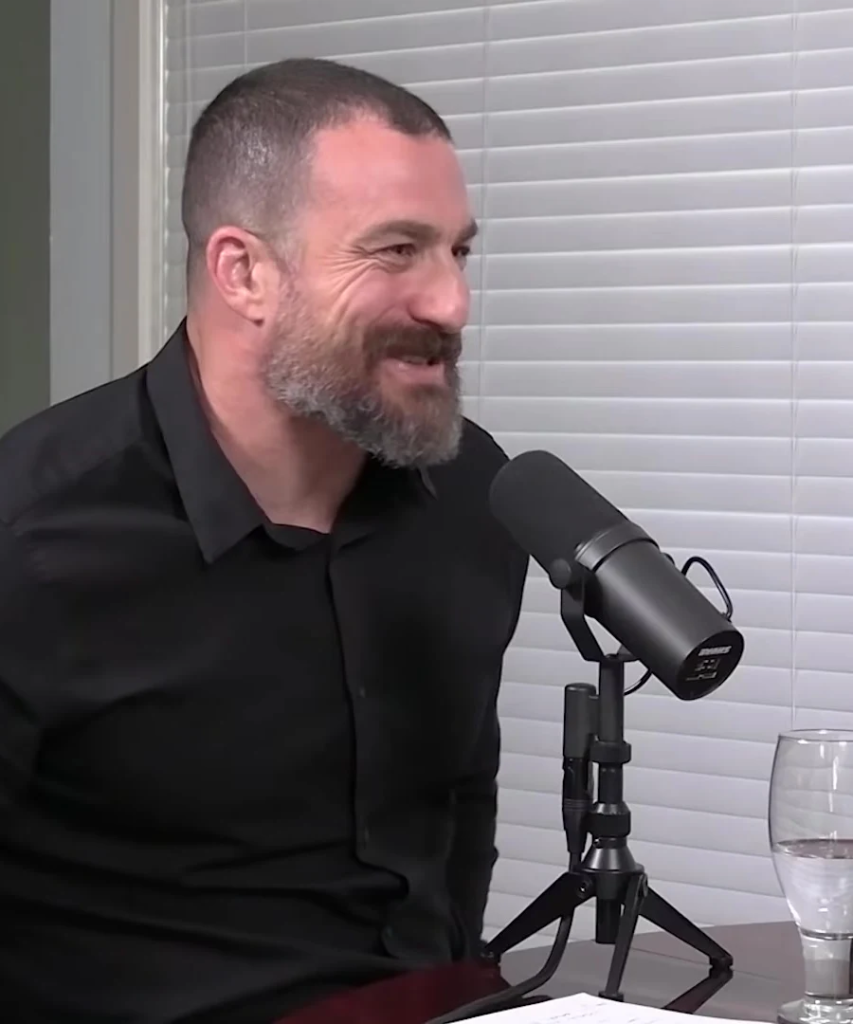
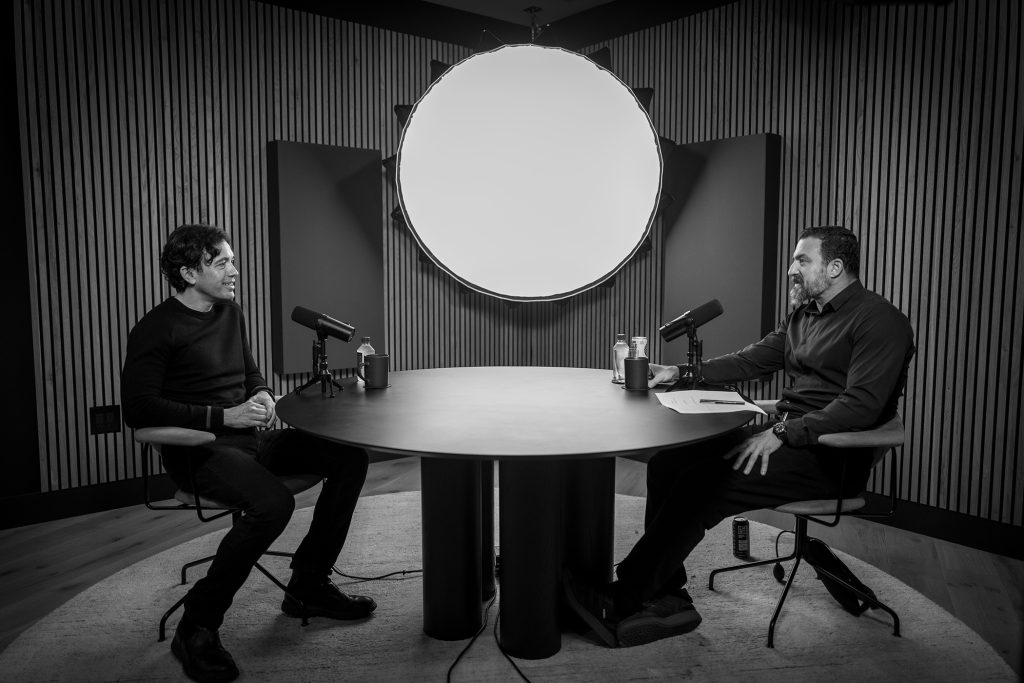
If you have noticed a dip in energy, a shift in mood, or a sense that your drive—whether in the gym, at work, or in the bedroom—is not what it used to be, you have probably wondered whether your hormones are playing a role. Dr. Andrew Huberman, a professor of neurobiology at Stanford School of Medicine, has dedicated extensive time on his podcast to unpacking the science of testosterone: what it does, what causes it to decline, and most importantly, how to support healthy levels through lifestyle and behavioral interventions rather than immediately turning to pharmaceuticals. What makes Huberman’s approach so refreshing is that he treats testosterone not as a standalone number to be chased but as a marker of overall metabolic and nervous system health. He emphasizes that the same habits that support healthy testosterone also support better sleep, clearer thinking, and greater resilience to stress—because in many ways, they are all connected.
Understanding Testosterone’s Role Beyond the Gym
Before diving into strategies, Huberman takes care to paint a fuller picture of what testosterone actually does in the body. Most people associate it solely with muscle growth and libido, and while those are certainly influenced by testosterone levels, its reach extends far beyond that. Testosterone plays a critical role in mood regulation, cognitive function, cardiovascular health, and even immune system modulation. It affects how your body responds to stress, how efficiently you recover from exercise, and how well you sleep. Huberman explains that testosterone is not simply a male hormone either—it is present and equally important in women, though at lower concentrations, where it contributes to bone density, energy levels, and sexual function. Understanding this broader context helps shift the conversation from chasing a number on a blood test to cultivating a lifestyle that allows your endocrine system to function optimally across the board.
The Foundation of Sleep and Circadian Rhythms
When Huberman discusses natural testosterone optimization, he almost always starts with sleep—not just any sleep, but consistent, high-quality sleep that aligns with your circadian rhythms. The majority of testosterone release occurs during deep sleep, specifically during the first few hours of the night when slow-wave sleep dominates. If you are cutting your sleep short, waking frequently, or keeping an erratic schedule, you are essentially cutting off your body’s primary production window for this hormone. Huberman cites research showing that even one week of sleep restriction to five hours per night can reduce testosterone levels by ten to fifteen percent in young, healthy men. Conversely, prioritizing consistent sleep—going to bed and waking at roughly the same time each day, ensuring a cool, dark sleeping environment, and avoiding bright light exposure in the hours before bed—creates the hormonal conditions necessary for healthy testosterone production.
Light Exposure and Its Hormonal Effects
One of the more surprising elements of Huberman’s framework involves the role of light exposure in hormone regulation. He explains that viewing sunlight within the first thirty to sixty minutes after waking sets off a cascade of neurochemical events that influence the entire endocrine system throughout the day. Morning light exposure helps regulate cortisol, which in turn supports healthy testosterone rhythms. Additionally, avoiding bright artificial light between the hours of ten in the evening and four in the morning protects the dopaminergic pathways that support testosterone production. This is because light exposure at night suppresses melatonin, and disrupted melatonin rhythms have been shown to correlate with lower testosterone levels. Huberman frames this as a foundational practice: you can optimize your nutrition and training all you want, but if your light exposure patterns are misaligned with your biology, you are fighting an uphill battle.
Nutrition, Micronutrients, and Avoiding Endocrine Disruptors
When it comes to diet, Huberman emphasizes both what you should include and what you should avoid. Key micronutrients that support testosterone production include zinc, magnesium, and vitamin D. Zinc is essential for the enzymatic processes that produce testosterone, while magnesium supports sleep quality and helps regulate the stress response. Vitamin D, which your body synthesizes from sunlight exposure, acts as a precursor to multiple hormones. Beyond adding these nutrients through food or targeted supplementation, Huberman warns about the prevalence of endocrine-disrupting chemicals in modern life. Compounds like BPA, phthalates, and certain pesticides found in plastics, processed foods, and even receipts can interfere with the body’s hormonal signaling. He suggests practical steps like storing food in glass containers rather than plastic, choosing fragrance-free personal care products, and being mindful of food packaging to reduce this hidden burden on your endocrine system.
Exercise Selection and Recovery Balance
Physical activity is a powerful modulator of testosterone, but Huberman notes that the type, intensity, and recovery matter enormously. Heavy resistance training, particularly compound movements like squats, deadlifts, and pull-ups that engage large muscle groups, has been shown to produce acute spikes in testosterone when performed with adequate intensity. However, he emphasizes that more is not always better. Overtraining—especially chronic endurance training without adequate recovery—can actually suppress testosterone levels due to sustained elevation of cortisol, the stress hormone. The sweet spot lies in training with sufficient intensity to stimulate adaptation while allowing for full recovery between sessions. Huberman also highlights the importance of rest days, adequate protein intake to support recovery, and paying attention to your body’s signals rather than grinding through fatigue. The goal is to use exercise as a hormetic stressor—a manageable challenge that makes you stronger—rather than a chronic stress that wears down your hormonal reserves.
Stress Management and the Cortisol Connection
No discussion of natural testosterone optimization would be complete without addressing the relationship between testosterone and cortisol. These two hormones operate in a seesaw dynamic: when cortisol is chronically elevated, testosterone tends to decline. Huberman explains that modern life often keeps people in a state of low-grade, persistent stress, with cortisol levels that never fully reset. This not only suppresses testosterone directly but also disrupts sleep, impairs recovery, and diminishes motivation—all of which further reinforce the cycle. He recommends incorporating practices that actively down-regulate the stress response on a daily basis. Physiological sighing—two inhales through the nose followed by a long exhale through the mouth—is a simple but effective tool that shifts the nervous system toward calm. Regular Zone 2 cardio also helps clear stress-related metabolic byproducts. The key is recognizing that stress management is not a luxury when it comes to hormonal health; it is a non-negotiable component of maintaining a healthy endocrine system.
Alcohol, Compounds, and Lifestyle Choices
Finally, Huberman addresses the impact of specific substances and lifestyle choices that can quietly undermine testosterone levels over time. Alcohol, even in moderate amounts, has been shown to suppress testosterone acutely and disrupt sleep architecture, which affects the nightly release of the hormone. Chronic alcohol consumption can lead to more sustained reductions. He also discusses how certain compounds, including some prescription medications and even excessive use of cannabis, can interfere with hormonal signaling. Rather than advocating for complete abstinence from all potentially problematic substances, Huberman encourages awareness and intentionality. If your goal is to support healthy testosterone, understanding how these choices affect your biology allows you to make informed decisions about what you are willing to trade off. The overarching message is that testosterone is not something you can hack with a single supplement or protocol—it is a reflection of how well your entire system is being supported through sleep, light, nutrition, movement, and stress management, all working together.