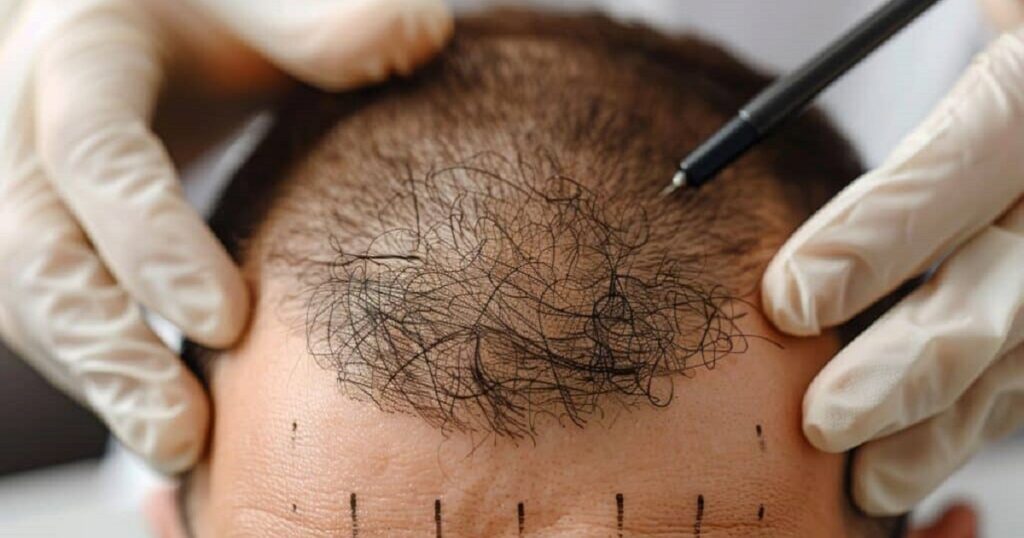
Hair transplant surgery has become a popular solution for hair loss, providing natural and long-lasting results. However, some patients considering a Hair Transplant in Islamabad worry about the possibility of failure. While hair transplants are generally safe and effective, several factors can affect graft survival, hair growth, and overall results. Understanding the causes of failure and how to prevent them can help patients achieve successful and satisfying outcomes.
Understanding Hair Transplant Failure
Hair transplant failure refers to the inadequate growth of transplanted hair follicles or results that do not meet patient expectations. Failure does not always mean the procedure is unsafe; rather, it indicates that the transplanted grafts did not survive, were improperly implanted, or did not produce the desired density or natural appearance. Proper planning, surgical skill, and post-operative care are key to preventing failure.
Common Causes of Hair Transplant Failure
1. Poor Surgical Technique
Improper extraction or implantation of grafts can lead to low survival rates. Incorrect angles, excessive trauma to follicles, or inadequate spacing can result in an unnatural appearance or patchy growth. Choosing an experienced surgeon ensures that follicles are carefully harvested and placed.
2. Insufficient Donor Hair
Successful hair transplantation depends on the availability of healthy donor hair. Patients with limited donor density may not achieve the desired coverage, leading to unsatisfactory results. Surgeons must evaluate donor areas carefully to determine the feasibility of the procedure.
3. Medical Conditions
Certain medical conditions, such as uncontrolled diabetes, autoimmune disorders, or scalp infections, can compromise graft survival and slow healing. Managing these conditions before surgery is crucial for success.
4. Poor Post-Operative Care
Disregarding aftercare instructions, such as washing the scalp too soon, scratching, or exposing the scalp to sunlight, can damage grafts. Proper care, including gentle washing, avoiding strenuous activity, and following medical guidance, is essential for optimal outcomes.
5. Smoking and Alcohol Consumption
Smoking restricts blood flow, and alcohol can dehydrate the scalp, both of which reduce nutrient delivery to transplanted follicles. These habits increase the risk of graft failure and delayed healing.
6. Excessive Physical Activity
Strenuous exercise, sweating, or trauma to the scalp in the immediate post-operative period can dislodge grafts, causing hair transplant failure. Patients should follow activity restrictions recommended by their surgeon.
7. Unrealistic Expectations
Sometimes, perceived failure is due to unrealistic expectations regarding density, coverage, or hairline design. Proper consultation and planning are essential to align patient expectations with achievable results.
Prevention Strategies for Hair Transplant Success
1. Choose an Experienced Clinic
Selecting a reputable clinic in Islamabad ensures that surgical protocols, advanced techniques, and post-operative care are followed. Surgeons with expertise in Follicular Unit Extraction (FUE), Sapphire FUE, and Direct Hair Implantation (DHI) provide higher graft survival rates and natural results.
2. Comprehensive Pre-Procedure Assessment
A thorough evaluation of hair loss pattern, donor hair quality, scalp health, and medical history helps in planning a successful transplant. This step identifies potential risk factors and ensures the patient is a suitable candidate.
3. Follow Post-Operative Instructions
Adhering to post-surgery care guidelines, including scalp washing, avoiding direct sun, not scratching, and refraining from smoking or alcohol, significantly reduces the risk of graft failure.
4. Maintain a Healthy Lifestyle
Balanced nutrition, hydration, stress management, and moderate physical activity support healing and promote hair growth. Supplements such as biotin, vitamin D, and zinc can enhance follicle health when approved by a doctor.
5. Consider Adjunct Therapies
Adjunct treatments like PRP (Platelet-Rich Plasma) therapy can stimulate hair growth, improve graft survival, and promote faster healing. Some clinics incorporate PRP in the transplant process for better results.
6. Schedule Follow-Up Visits
Regular check-ups allow surgeons to monitor healing, detect early signs of complications, and provide timely interventions to prevent failure.
Recognizing Signs of Hair Transplant Failure
While early signs of transplant failure are rare with modern techniques, patients should be aware of potential indicators:
- Excessive redness, swelling, or pus indicating infection
- Severe pain not relieved by medication
- Graft shedding beyond the typical shock loss phase
- Uneven or patchy hair growth after several months
- Scalp irritation or prolonged numbness
Immediate consultation with the surgeon is recommended if any of these signs appear.
Recovery Timeline and Expectations
Hair transplant recovery occurs in stages:
- First Week: Redness, swelling, scabbing, and mild discomfort are common. Patients must avoid trauma to the transplanted area.
- Weeks 2–4: Scabs fall off, and shock loss may occur. Temporary shedding is normal.
- Months 3–6: New hair begins to grow gradually.
- Months 9–12: Full results are visible, including improved density, coverage, and natural hairline.
Following guidelines during this period ensures maximum graft survival and minimizes risk of failure.
FAQs About Hair Transplant Failure
Can hair transplant fail completely?
Complete failure is rare if the procedure is performed by an experienced surgeon and post-operative care is followed. Partial failure due to low graft survival can occur in certain cases.
How long should I wait to see if the transplant worked?
Initial shedding occurs within the first few weeks. New hair growth usually starts within 3–4 months, with full results visible after 9–12 months.
Does age affect success?
Younger patients with progressive hair loss may need additional sessions in the future. Age itself is not a major factor if donor hair is healthy.
Can medical conditions cause failure?
Yes, conditions like uncontrolled diabetes or autoimmune disorders can affect graft survival. Proper management is essential before surgery.
Is graft failure reversible?
Partial graft failure may be corrected with additional transplant sessions, PRP therapy, or other hair restoration techniques.
Final Thoughts
Hair transplant failure is uncommon when the procedure is performed by a skilled and experienced surgeon in a reputable clinic. Understanding the causes, following preventive measures, and adhering to post-operative care significantly reduce the risk of failure and ensure natural, long-lasting results. Patients considering a hair transplant in Islamabad should focus on proper planning, lifestyle management, and regular follow-ups to maximize success. SKN Cosmetics is renowned for providing advanced hair transplant solutions with expert care, personalized planning, and comprehensive support to help patients achieve optimal results safely.