High-wear conditions are the proving ground for any slurry pump. When the slurry contains sharp, hard particles moving at high velocity, ordinary pumps fail quickly. Their impellers erode, their casings wear through, and their seals leak. CNSME has developed a range of options specifically for these punishing conditions, recognizing that high wear requires specialized solutions rather than general-purpose equipment. From extreme alloys to unique hydraulic designs to protective features, CNSME offers choices that extend pump life where others give up. This article explores the options available to buyers facing high-wear applications, helping them select the right configuration for their specific challenges.
Extreme High-Chrome Alloys for Maximum Hardness
For the most severe abrasive conditions, CNSME offers premium high-chrome white iron alloys that achieve hardness exceeding 650 Brinell. These alloys contain carefully controlled carbon and chromium levels to maximize the volume of hard carbide particles within the microstructure. The heat treatment is optimized to develop maximum hardness without making the material too brittle. These extreme alloys are not suitable for every application—they are less forgiving of impact and thermal shock than standard grades. But for applications where pure abrasion is the dominant wear mechanism and impact is minimal, they deliver exceptional life. A customer moving sharp silica sand or hard mineral ore might see wear life increase by fifty percent or more compared to standard high-chrome. CNSME recommends these extreme alloys only when the application justifies them, but when they are needed, they are invaluable.
Thick-Section Castings for Extended Casing Life
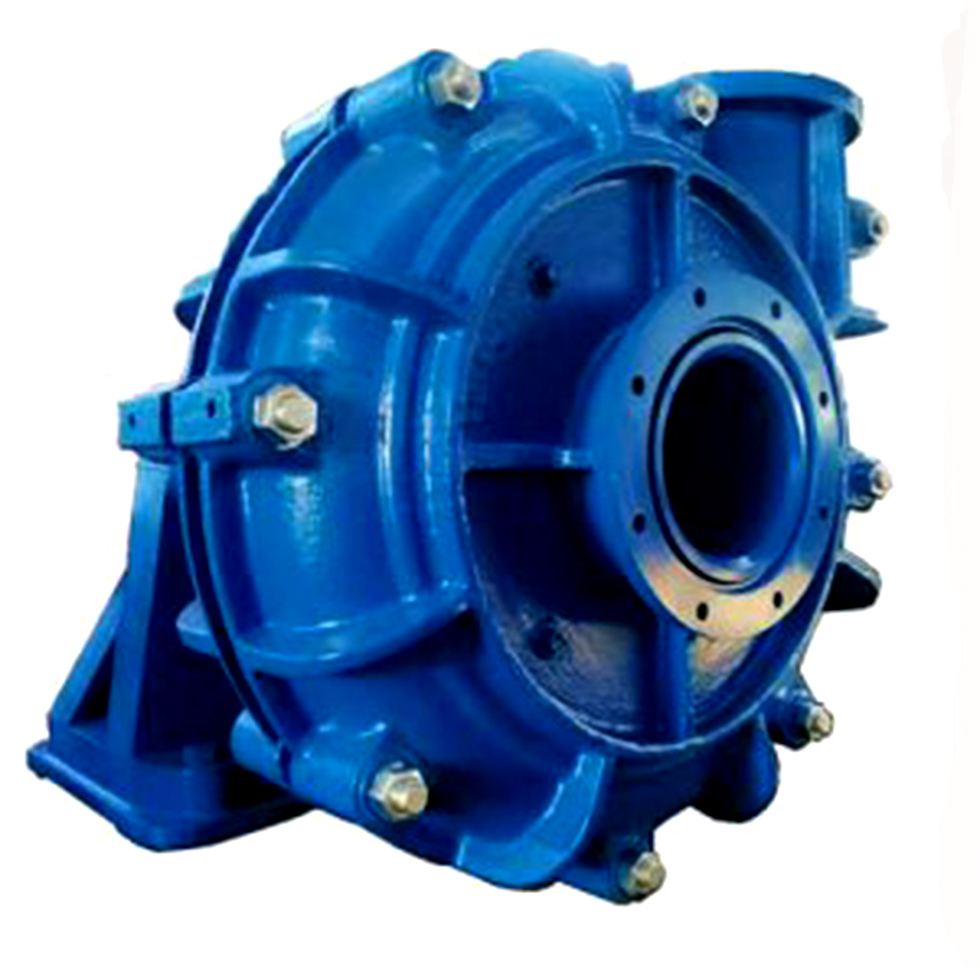
In high-wear conditions, the casing itself can wear through if it is not thick enough. Many manufacturers use minimum wall thicknesses to save weight and cost. CNSME offers thick-section castings with significantly increased wall thickness in high-wear zones. The extra material provides a longer wear life before the casing needs replacement. It also adds rigidity, reducing deflection under load. The thickest sections are placed where wear is most severe—typically at the discharge nozzle and in the volute throat area. A customer who chooses the thick-section option might get two or three times the casing life of a standard pump. The additional cost is modest compared to the cost of replacing a worn casing, which often requires removing the pump from the foundation and reworking piping.
Replaceable Wear Plates and Liners
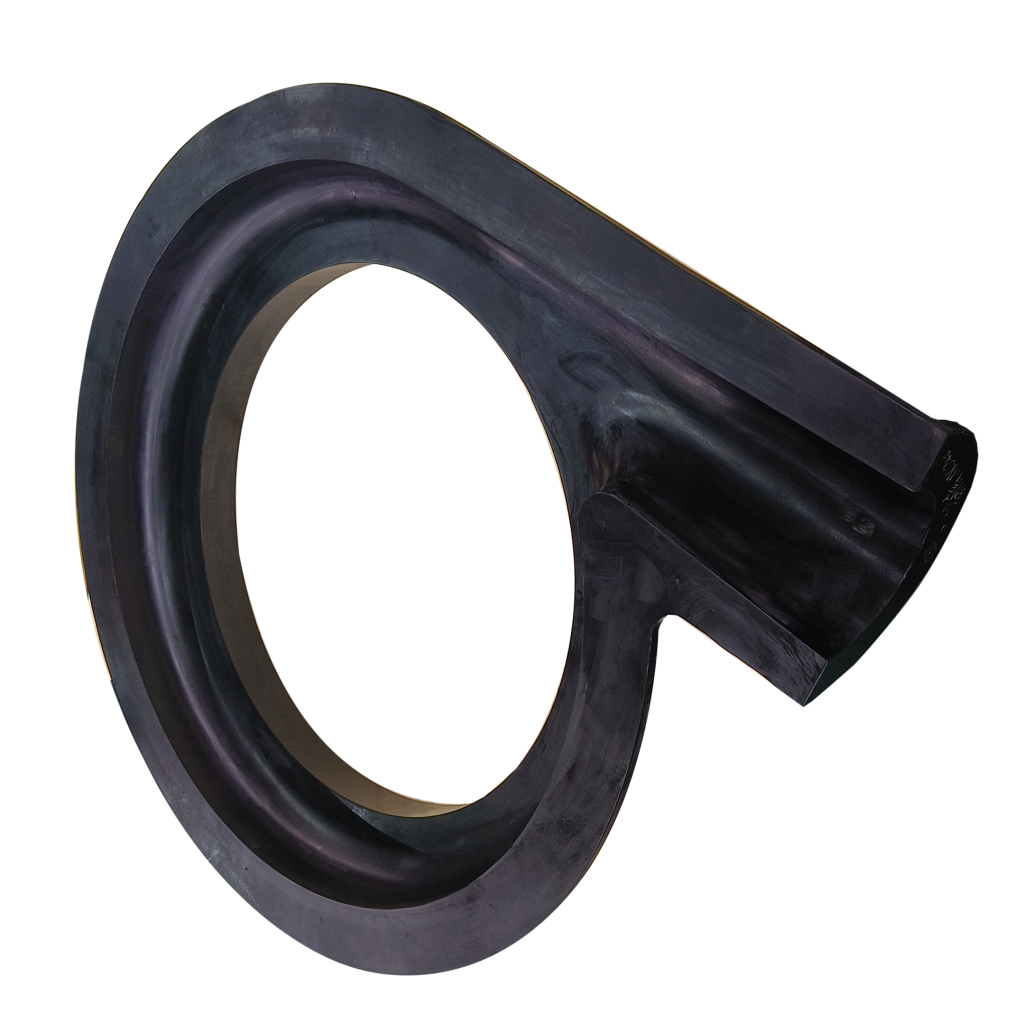
Even the thickest casting will eventually wear. CNSME offers pumps with replaceable wear plates and liners that protect the permanent casing. These components are designed to be the sacrificial elements, absorbing abrasion so the casing does not. When they wear out, they are replaced at a fraction of the cost of a new casing. For high-wear conditions, CNSME recommends the heaviest available liner thickness and may suggest using two liners in series—an inner liner that takes the initial wear and an outer liner that provides backup. This double-liner approach extends time between casing replacements dramatically. The replaceable liner option is available on most CNSME pump models and is strongly recommended for any application where the slurry is highly abrasive. The upfront cost is higher, but the long-term savings are substantial.
Hardbanding and Weld Overlays
For localized high-wear areas, CNSME offers hardbanding and weld overlay options. These processes apply a layer of extremely hard material—typically tungsten carbide or chromium carbide—to specific surfaces of the pump. The impeller leading edges, the volute throat, and the cutwater are common locations for hardbanding. The applied layer can have hardness exceeding 700 Brinell, far harder than any cast alloy. Hardbanding is especially valuable when the wear pattern is predictable and concentrated in specific zones. A customer who knows that the cutwater wears twice as fast as the rest of the casing can specify a weld overlay on that area, balancing wear rates across the pump. The cost of hardbanding is modest relative to the life extension it provides in the right applications.
Optimized Impeller Designs for High-Wear Service
Impeller geometry has a dramatic effect on wear life. CNSFE offers impeller designs specifically optimized for high-wear conditions. These impellers feature thicker vanes, larger radii at the vane leading edges, and reduced exit angles. The thicker vanes provide more material to wear away before the impeller fails. The larger radii reduce particle impact velocity. The reduced exit angles lower the velocity of particles leaving the impeller, reducing wear on the casing. These design changes do reduce hydraulic efficiency slightly, but the trade-off is worthwhile in high-wear applications where pump life is the primary concern. CNSME can provide performance curves for both standard and high-wear impellers, allowing customers to make an informed trade-off between efficiency and longevity.
Sacrificial Shaft Sleeves
The shaft is one of the most expensive components in a slurry pump supplier. Replacing a worn shaft requires complete disassembly of the pump and often a trip to a machine shop. CNSME protects the shaft with sacrificial sleeves that cover the portion of the shaft that passes through the seal area. These sleeves are hardened and replaceable. When wear or corrosion damages the sleeve, it is removed and replaced at a fraction of the cost of a new shaft. For high-wear conditions, CNSME offers extra-hard sleeves with tungsten carbide coatings or through-hardened stainless steel. The sleeve extends the life of the shaft indefinitely, as long as it is replaced before wear reaches the shaft itself. This simple component saves customers thousands of dollars over the life of the pump.
Seal Protection Systems for Dirty Slurries
Seals fail quickly in high-wear conditions if abrasive particles reach the seal faces. CNSME offers seal protection systems that keep the seal clean. An expeller seal uses centrifugal force to fling solids away from the seal area, creating a dry running condition with no particle contact. A barrier fluid system circulates clean fluid around the seal faces, flushing away any particles that might enter. A cyclone separator removes solids from the flush water before it reaches the seal. These protection systems add cost and complexity, but they are essential in high-wear applications where seal failure would cause a production stop. CNSME can recommend the appropriate seal protection based on the slurry characteristics and the consequences of leakage. In extreme conditions, they may recommend multiple layers of protection—an expeller to remove most solids, followed by a barrier fluid system for the mechanical seal itself.