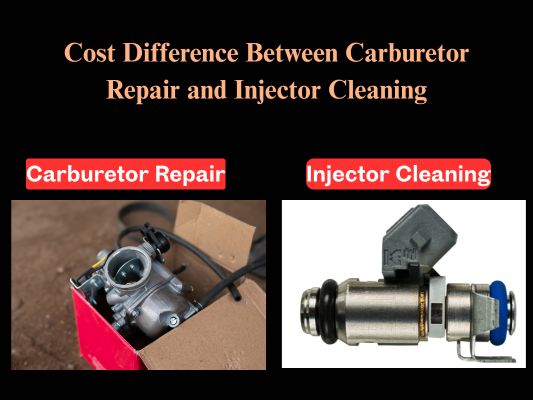
When your car starts feeling sluggish, gives poor mileage, or struggles to start, most drivers immediately wonder: Is the carburetor causing the problem, or is it the fuel injectors? Both systems handle the same task—mixing fuel and air so your engine can run smoothly—but the cost of fixing each one can be very different.
Many car owners feel confused when a mechanic recommends cleaning, repairing, or replacing any fuel-related component. That’s why understanding the cost difference between carburetor repair and injector cleaning can help you make smarter decisions and avoid spending extra money.
In this blog, let’s break down the costs, symptoms, and reasons behind the price difference in a way that is easy to understand. If you’ve ever wondered why carburetor work feels cheaper while injector work costs more, read this till the end—you’ll get a clear picture.
Why Carburetors and Injectors Need Attention
Before talking about cost, let’s understand why these components demand maintenance.
Carburetors
Carburetors are mechanical devices. Dust, old fuel, carbon deposits, and moisture can clog their narrow passages. When that happens, the engine starts misfiring, the mileage drops, and the car feels weak. The good thing is: carburetors can often be repaired instead of replaced.
Fuel Injectors
Fuel injectors, on the other hand, are electronically controlled. They spray fuel with high precision. But over time, injectors get dirty, blocked, or worn out. Cleaning is often enough, but if an injector fails electrically, replacement becomes the only option.
So now the question is—how much does it cost to fix each one?
Cost of Carburetor Repair
Carburetor repair is usually more budget-friendly. Here’s why:
1. Repairable Parts
Most carburetor issues only require:
- Gasket replacement
- Jet cleaning
- Float adjustments
- Cleaning the internal passages
These tasks involve labour, but the parts themselves are inexpensive.
2. Easy Access & Low Labour Cost
Mechanics don’t need advanced tools to repair carburetors. The job is manual, straightforward, and usually done in one visit. Labour charges are a big part of car repair costs, and with carburetors, labour stays on the lower side.
3. Typical Carburetor Repair Cost
Depending on the car model and location, you can expect:
- ₹800 to ₹3,000 for cleaning and tune-up
- ₹3,000 to ₹7,000 for a full rebuild
- ₹5,000 to ₹25,000 for a brand-new carburetor (if required)
Most carburetor issues do not require replacement, which keeps costs manageable.
Cost of Injector Cleaning
Fuel injector cleaning is usually more expensive than carburetor repair. Here’s why:
1. Special Tools Required
Injector cleaning often needs:
- High-pressure cleaning machines
- Ultrasonic cleaning baths
- Scan tools to check spray patterns
These machines increase service costs.
2. Precision & Technology
Unlike carburetors, injectors work electrically. They must spray fuel in perfect timing. Cleaning requires more accuracy, and mechanics must be trained to handle injector systems.
3. Cost of Injector Cleaning
Average price:
- ₹1,500 to ₹5,000 for basic cleaning
- ₹5,000 to ₹12,000 for advanced ultrasonic cleaning
- ₹800 to ₹2,000 per injector for bench testing
This is why the keyword fuel injector cleaning service fits here naturally, as this process is part of regular maintenance most cars need.
Cost of Injector Replacement
If cleaning doesn’t fix the issue, replacement is needed. This is where things become costly.
Replacement cost includes:
- Injector price
- Programming (in some cars)
- Labour
Depending on vehicle type:
- ₹4,000 to ₹20,000 per injector
- High-end cars can go up to ₹40,000+ per injector
That’s why mechanics often recommend cleaning first, before considering fuel injector replacement, because this option is usually much more expensive.
Why Injectors Are Generally More Expensive than Carburetors
Here are the factors that create the cost gap:
1. Technology
Injectors use sensors, electronics, and fuel pressure regulators. Carburetors are mechanical. More technology → higher cost.
2. Replacement Frequency
Injectors can fail due to:
- Bad fuel
- Electrical issues
- Long-term wear
Carburetors, however, rarely need complete replacement.
3. Availability of Parts
Modern cars run on injectors, so parts are widely available but costly. Carburetors are mainly found in older vehicles, and their repair kits are cheaper.
4. Labour Complexity
Injector cleaning needs skilled labour and machines. Carburetors just need dismantling, cleaning, and reassembling.
Which Option Is Better for Long-Term Savings?
If your car has a carburetor, you’ll usually spend less over the years. Cleaning and tuning it regularly can keep it running smoothly without expensive replacements.
If your car runs on injectors, maintenance becomes essential. Regular cleaning helps prevent blockage and saves you from costly replacement.
How to Know Which System Your Car Has?
A quick guide:
- Cars made before early 2000s → mostly carburetors
- Cars made after mid-2000s → fuel injectors
- Modern vehicles, petrol or diesel → always injectors
If you’re unsure, your mechanic can confirm it during routine auto care services.
What Should Car Owners Do?
Here’s what smart car owners follow:
- Clean carburetors every 10,000–12,000 km
- Clean injectors every 15,000–20,000 km
- Avoid cheap or contaminated fuel
- Service your car regularly
- Address early symptoms like misfiring or low pickup
Proper maintenance reduces cost, avoids breakdowns, and improves mileage.
Final Thoughts
The cost difference between carburetor repair and injector cleaning mostly comes from technology, labour, and replacement needs. Carburetors are simpler and cheaper to repair, while injectors are advanced and often require specialized cleaning—or sometimes expensive replacement.
If your car is showing signs of rough idling, starting trouble, or poor fuel economy, don’t wait too long. Whether your car has a carburetor or injectors, timely maintenance always saves money in the long run