Let me start by acknowledging something that most home improvement articles ignore: professional acoustic treatment is expensive. A single fabric-wrapped panel from a specialty retailer can cost over a hundred dollars, and you need several of them to make a real difference in a room. For many homeowners, that price tag is simply not an option. The good news is that you can build your own acoustic panels for a fraction of the cost, often for less than twenty or thirty dollars per panel. DIY acoustic panels diy are not just a budget-friendly alternative. In many cases, they actually perform better than cheap store-bought options because you can choose higher-quality insulation materials and customize the size and fabric to your exact needs. With basic tools, a trip to the hardware store, and a few hours of work on a weekend, you can dramatically improve the sound quality in your home office, living room, or bedroom. Effective noise reduction is within reach, and you do not need a workshop full of fancy equipment to get there.
The Simple Science Behind Homemade Panels
Understanding how DIY acoustic panels work will help you build them correctly. Sound travels in waves. When those waves hit a hard surface like drywall, they bounce back into the room, creating echo and reverberation. Acoustic panels stop this cycle by absorbing the sound energy instead of reflecting it. The key is using a porous, fibrous material that contains millions of tiny air pockets. Rigid fiberglass boards and mineral wool are the gold standards for DIY panels. When sound waves enter these materials, they lose energy as heat within the fibers and do not bounce back. The fabric covering the panel is acoustically transparent, meaning sound passes right through to the absorbent material underneath. The wooden frame holds everything together and allows you to mount the panel on your wall or stand it away from the wall for even better low-frequency absorption. Unlike foam panels that only absorb high frequencies, well-built DIY panels absorb a broad range of sounds, from the high-pitched ring of a phone to the low rumble of traffic outside.
Materials You Will Need for the Job
Before you start building, gather your supplies. The most important material is the sound-absorbing core. Rigid fiberglass boards, often sold under brand names like Owens Corning 703 or Rockwool Comfortboard, are the industry standard for professional studios. You can find them at insulation supply stores or order online. Mineral wool is another excellent choice, readily available at most home improvement stores. Avoid using loose fluffy insulation, as it will not hold its shape and can sag over time. You will also need lumber for the frame—common one-by-four or one-by-three boards work well. For the fabric, choose a breathable material like burlap, speaker grill cloth, or inexpensive cotton duck cloth. Do not use heavy upholstery fabric or anything with a plastic backing, as these will reflect sound instead of letting it pass through. You will also need construction adhesive or spray adhesive to attach the insulation to the frame, a staple gun with plenty of staples to secure the fabric, a saw to cut the lumber, and a drill with screws to assemble the frame. Optional but helpful items include a square for straight corners, a utility knife for cutting insulation, and corner braces for extra strength.
Step by Step Construction Instructions
Let me walk you through building a standard two-foot by four-foot acoustic panel, which is a great all-purpose size. First, cut your lumber to create a rectangular frame that measures exactly two feet by four feet on the outside. Use four pieces: two at four feet long and two at two feet long minus twice the width of your lumber. For example, if using one-by-three lumber that is actually two and a half inches wide, cut the shorter pieces to nineteen inches. Assemble the frame with wood screws and corner braces for stability. Second, cut your rigid fiberglass or mineral wool to fit snugly inside the frame. A utility knife with a sharp blade works well. The insulation should sit flush with the back of the frame, leaving the front recessed by about half an inch. Third, lay your fabric face down on a clean surface, place the frame on top with the insulation facing down, and pull the fabric taut around the back of the frame. Staple the fabric to the back of the frame every few inches, working from the center of each side outward to avoid wrinkles. Fold the corners neatly like wrapping a gift. Fourth, attach mounting hardware to the back. For a simple option, screw a pair of D-ring hangers into the frame. For a more professional installation that improves low-frequency absorption, attach furring strips to create a one to two-inch air gap between the panel and the wall. Your panel is now ready to hang.
Where to Place Your DIY Panels for Maximum Effect
You have built your panels, but placement determines how well they actually work. The most critical locations are the first reflection points. To find these, sit in your usual listening or seating position. Have someone hold a mirror flat against your side wall and move it until you can see one of your speakers in the mirror. That spot is a first reflection point and deserves a panel. Repeat for the other side wall. The wall behind your speakers or television is another prime location. If your speakers are near the front wall, place a panel directly between them. The wall behind your seating position is equally important, as it catches sound after it has traveled across the room. In a home office, place panels on the wall behind your computer monitor and the wall behind your chair. These two surfaces create the most troublesome reflections during video calls. If you have extra panels, place them on any large, flat wall surface, especially those opposite windows or hard flooring. You do not need to cover every inch of wall. Covering just fifteen to twenty percent of your wall area with properly placed panels will produce a dramatic improvement in sound quality.
Customizing Panels to Match Your Decor
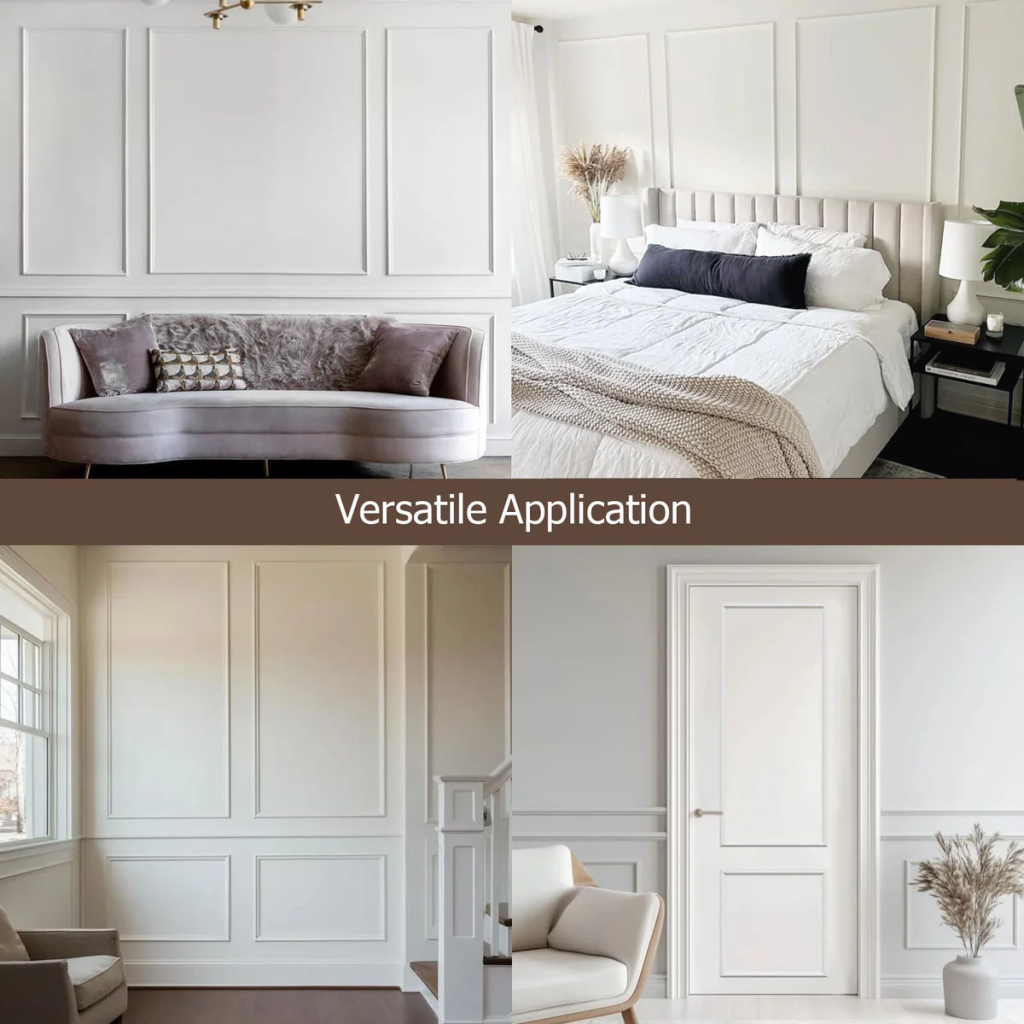
One of the greatest advantages of DIY acoustic panels is that you control how they look. Professional panels come in limited colors and fabrics, but you can use any breathable fabric that matches your room. Want a bold geometric print? Go for it. Prefer a soft velvet in blush pink? Absolutely fine as long as the fabric breathes. You can also experiment with different shapes and sizes. Instead of standard rectangles, build square panels, long narrow panels for hallway applications, or even diamond-shaped panels for a decorative arrangement. For a seamless look, wrap the fabric around the front and sides of the panel and paint the exposed frame to match your wall color. For a more industrial or modern aesthetic, leave the frame visible and stain it a dark walnut or paint it matte black. You can also create a fabric collage by using different colors or patterns on different panels, arranging them in a gallery wall style. Because you are building them yourself, you have complete creative freedom. Your acoustic treatment can be a design feature rather than something you try to hide.
Maintaining and Troubleshooting Your Panels
DIY acoustic panels require very little maintenance, but a few simple habits will keep them working well for years. Dust the fabric surface regularly with a vacuum brush attachment or a lint roller. Do not use water or liquid cleaners on the fabric, as moisture can damage the insulation core. If a panel gets stained, you may be able to spot-clean with a dry cleaning solvent, but replacement is often easier given the low cost of materials. Over time, the fabric may sag or loosen. If this happens, simply restretch the fabric and add new staples. Check the mounting hardware every few months to ensure the panels are still securely attached to the wall. If a panel begins to feel soft or crumbly after many years, the insulation may be breaking down. Rigid fiberglass and mineral wool are very stable and should last for decades, but cheap alternatives may degrade faster. The most common issue is improper placement. If your panels are not reducing echo as much as you expected, try moving them to different locations. Sometimes shifting a panel by just a foot or two makes a significant difference. With proper care, your DIY acoustic panels will provide effective noise reduction at home for many years, proving that you do not need a professional budget to achieve professional sound.