

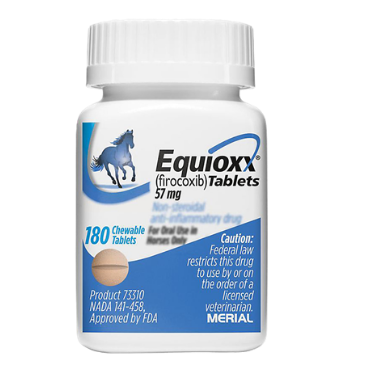
Bringing home a prescription for equioxx for horses feels like a victory when your horse has been struggling with joint pain. You have the medication, you have the dosing schedule, and you are ready to see your horse move more comfortably. But here is something that surprises many owners. How you handle, store, and manage Equioxx over the coming months matters just as much as the drug itself. I have watched well‑meaning people accidentally ruin an entire bottle of tablets by leaving it in a hot truck or skip doses because they forgot to reorder. These small missteps add up, and before long, your horse is not getting the full benefit of a medication that could be helping them tremendously. At Horse Medicine Store, we believe that knowledge is the best supplement you can buy. Let me walk you through the practical side of using Equioxx safely, storing it correctly, and thinking about the long haul so that your horse stays comfortable for years rather than weeks.
Understanding the Safety Profile Before You Start
Safety begins before you ever pop the first tablet out of its blister pack. Equioxx is considered one of the safer NSAIDs for horses, but safe does not mean risk‑free. The most important safety rule is knowing your horse’s baseline health. Has your horse had any history of kidney issues, liver problems, or gastric ulcers? If yes, your veterinarian might recommend extra monitoring or a different medication altogether. Dehydration is another hidden danger. A horse that is not drinking enough water, whether from hot weather, illness, or simply pickiness, cannot clear Equioxx from their system as efficiently. The drug builds up to potentially toxic levels. Before starting Equioxx, make sure your horse has constant access to clean, fresh water. Also, never give Equioxx to a horse that is already on another NSAID, including common ones like phenylbutazone or flunixin. The combination dramatically increases the risk of kidney failure and intestinal damage. If your horse needs extra pain relief for a few days, your vet will advise a washout period and a different approach. Safety is not complicated, but it does require honesty with your veterinarian and attention to the little details.
Proper Storage to Protect Potency
Equioxx is not cheap, and throwing away degraded tablets feels like throwing money into the compost pile. Yet that is exactly what happens when medication is stored incorrectly. Firocoxib is sensitive to three things: heat, moisture, and light. The ideal storage temperature is between sixty‑eight and seventy‑seven degrees Fahrenheit. That means your barn tack room, which might hit ninety degrees on a summer afternoon, is actually a terrible place to keep Equioxx. The glove compartment of your truck is even worse. Instead, store the medication inside your home, in a cool, dry cabinet away from the stove or dishwasher. Keep the tablets in their original blister packs until you are ready to use them. Do not transfer them into a daily pill organizer, because exposure to air and humidity will shorten their lifespan. If you have the paste formulation, store it with the cap facing downward so that the medication settles near the tip for easier dispensing next time. Check expiration dates regularly. Using expired Equioxx is not just ineffective. It can be harmful as the breakdown products may irritate the stomach. When in doubt, replace it.
Long‑Term Use and Routine Veterinary Monitoring
One of the greatest strengths of Equioxx is that it can be used for months or even years. But long‑term use demands long‑term oversight. Your veterinarian should perform blood work every six months, or more frequently if your horse is older or has other health conditions. These tests look at kidney values, specifically creatinine and BUN, as well as total protein levels. Subtle changes in these numbers often appear before your horse shows any visible symptoms of trouble. Catching those changes early allows your vet to adjust the dose, add protective medications, or recommend a drug holiday. Do not fall into the trap of thinking that because your horse looks good, everything is fine internally. I have seen horses with perfectly normal appetites and attitudes that were quietly developing kidney stress. The blood work is your early warning system. Also keep a simple log at home. Note your horse’s weight monthly, because weight loss means the same dose becomes relatively stronger. Note any episodes of loose manure, changes in water intake, or new reluctance to move. Share this log with your vet at each checkup.
Recognizing When to Take a Drug Holiday
The idea of stopping a medication that is working feels counterintuitive. Why mess with success? But strategic drug holidays can actually extend the safe, effective life of Equioxx for your horse. Some veterinarians recommend a five to seven day break every two to three months. During this washout period, you watch your horse closely for signs of returning pain. If your horse remains comfortable without the drug, that is wonderful news. It might mean their arthritis is stable enough to manage with supplements and physical therapy alone. If pain returns within a few days, you know that Equioxx is still necessary. A holiday also gives your horse’s kidneys and digestive tract a rest from continuous medication exposure. Never start a drug holiday without discussing it with your vet first. Some horses, particularly those with severe arthritis, should not have breaks because the pain flare would be too stressful. Your vet can help you design a schedule that tests necessity without causing suffering. And when you restart Equioxx after a break, begin with the normal full dose. Do not try a lower dose unless your vet specifically directs you.
Combining Safety with Other Therapies
Equioxx works beautifully alongside many non‑drug therapies, and combining them can actually improve safety. For example, maintaining a healthy body weight reduces the load on arthritic joints, which means you might eventually need a lower dose of Equioxx. Regular, low‑impact exercise like hand walking or gentle turnout keeps joints mobile without causing flare‑ups. Physical therapies such as cold laser, acupuncture, and therapeutic ultrasound can reduce inflammation directly, again lowering your reliance on medication. Joint supplements do not replace Equioxx, but they support cartilage health, which may slow disease progression. However, be cautious with natural anti‑inflammatories. High doses of turmeric, devil’s claw, or white willow bark can have additive effects with Equioxx, increasing side effect risks. Always tell your vet about every supplement, herb, or therapy you use. The goal is not to eliminate Equioxx completely for most horses, but to use the lowest effective dose for the shortest necessary duration. Every pound your horse loses, every minute of therapeutic exercise, and every thoughtful supplement choice adds up to a safer, more sustainable long‑term plan.
Signs That Long‑Term Use Needs Adjustment
Even with careful monitoring, there may come a time when Equioxx is no longer the right choice for your horse. Knowing the signs allows you to act before a crisis develops. Watch for gradual weight loss despite a good appetite. This can indicate protein loss through the gut, a known risk of long‑term NSAID use. Increased water intake and urination, especially at night, may signal kidney stress. New or worsening ulcers, suggested by teeth grinding, flank watching, or repeated lying down and getting up, can develop even with Equioxx’s selective action. Some horses simply stop responding to the same dose over time as their arthritis progresses. If you notice that your horse needs more and more medication to achieve the same relief, do not simply increase the dose on your own. That path leads to toxicity. Instead, talk to your vet about adding other pain relievers that work through different pathways, such as gabapentin for nerve pain or adequan for joint support. Sometimes the answer is a different NSAID altogether. Your horse medicine store can help you compare options, but only your veterinarian can decide when a change is medically necessary. Trust your gut. You know your horse better than anyone, and you are the first line of defense in their long‑term comfort.