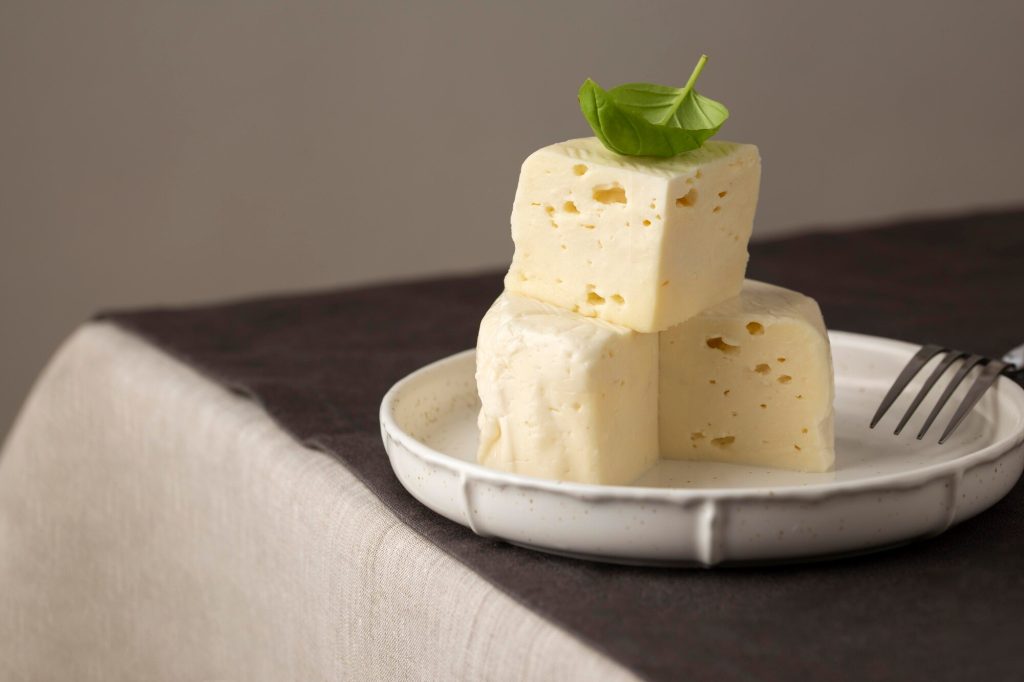
In recent years, plant-based diets have surged in popularity, bringing with them a wave of innovative and delicious alternatives to traditional dairy products. Among these, fermented cashew cheese has emerged as a standout favorite. Creamy, tangy, and packed with flavor, this dairy-free option is not only satisfying but also rich in nutrients and probiotics. Whether you’re vegan, lactose-intolerant, or simply exploring healthier food choices, fermented cashew cheese offers a versatile and wholesome alternative to conventional cheese.
What Is Fermented Cashew Cheese?
Fermented cashew cheese is a plant-based cheese made primarily from soaked cashews that are blended and then cultured using probiotics. The fermentation process allows beneficial bacteria to develop, giving the cheese its characteristic tangy flavor and improving its digestibility.
Unlike processed vegan cheeses that rely heavily on starches and additives, cultured cashew cheese is typically made with simple, natural ingredients such as cashews, water, salt, and a probiotic source like capsules or fermented liquids (e.g., rejuvelac). This makes it a cleaner and more nutritious option.
Why Choose Fermented Cashew Cheese?
There are several compelling reasons to include fermented cashew cheese in your diet:
1. Dairy-Free and Vegan-Friendly
For individuals who avoid dairy due to allergies, intolerance, or ethical reasons, fermented cashew cheese provides a satisfying alternative without compromising on taste or texture.
2. Rich in Probiotics
Thanks to the fermentation process, this cheese contains beneficial bacteria that support gut health. These probiotics can aid digestion and contribute to a balanced microbiome.
3. Nutrient-Dense
Cashews are a great source of healthy fats, protein, vitamins, and minerals such as magnesium and iron. When transformed into fermented vegan cheese recipes, they retain much of their nutritional value.
4. Easy to Customize
One of the biggest advantages of cultured cashew cheese is its versatility. You can experiment with different herbs, spices, and flavors to create a variety of cheese styles—from soft spreads to firm, sliceable blocks.
How Fermentation Enhances Flavor
Fermentation is what sets this cheese apart from other plant-based alternatives. During this process, natural bacteria break down sugars and starches, producing lactic acid. This not only gives the cheese a tangy, complex flavor but also improves its texture.
The longer you ferment your cashew cheese, the stronger and more developed the taste becomes. Some people prefer a mild flavor with just 12–24 hours of fermentation, while others enjoy a sharper taste achieved over 48 hours or more.
Basic Ingredients for Cultured Cashew Cheese
Making your own fermented cashew cheese at home is surprisingly simple. Here are the basic ingredients you’ll need:
- Raw cashews (soaked for several hours or overnight)
- Water
- Probiotic capsules or a fermentation starter
- Salt
- Optional: lemon juice, garlic, nutritional yeast, herbs, or spices
These ingredients form the foundation of most fermented vegan cheese recipes, allowing you to get creative with flavors and textures.
Simple Method to Make Fermented Cashew Cheese
Step 1: Soak the Cashews
Soak raw cashews in water for 4–8 hours to soften them. This ensures a smooth and creamy texture.
Step 2: Blend Until Smooth
Drain the cashews and blend them with a small amount of water until you achieve a thick, creamy consistency.
Step 3: Add Probiotics
Open probiotic capsules and mix the powder into the cashew cream. This introduces the beneficial bacteria needed for fermentation.
Step 4: Ferment
Transfer the mixture to a clean container, cover it with a breathable cloth, and let it sit at room temperature for 24–48 hours. Taste periodically to reach your desired tanginess.
Step 5: Season and Chill
Once fermented, add salt and any desired flavorings. Refrigerate the cheese to firm it up and enhance the taste.
This simple process results in a delicious batch of cultured cashew cheese that can be used in a variety of dishes.
Ways to Enjoy Fermented Cashew Cheese
One of the best things about fermented cashew cheese is its versatility. Here are some ideas to incorporate it into your meals:
- Spread it on toast, crackers, or bagels
- Use it as a dip for vegetables
- Add it to sandwiches and wraps
- Mix it into pasta for a creamy sauce
- Crumble it over salads or pizzas
Its rich, tangy flavor makes it a perfect substitute for traditional cream cheese or soft cheeses.
Exploring Different Fermented Vegan Cheese Recipes
Once you’ve mastered the basic version, you can experiment with different styles of fermented vegan cheese recipes:
Herb Cashew Cheese
Add fresh herbs like rosemary, thyme, or basil for a fragrant and savory flavor.
Garlic and Pepper Cheese
Mix in roasted garlic and cracked black pepper for a bold, robust taste.
Smoky Cashew Cheese
Incorporate smoked paprika or liquid smoke to create a smoky, cheddar-like profile.
Aged Cashew Cheese
For a firmer texture, shape the cheese and let it age in the refrigerator for several days. This intensifies the flavor and creates a more traditional cheese-like experience.
Health Benefits of Fermented Cashew Cheese
Beyond its delicious taste, fermented cashew cheese offers several health benefits:
- Improved Digestion: Probiotics support gut health and help break down food more efficiently.
- Heart Health: Cashews contain healthy fats that may help reduce bad cholesterol levels.
- Lactose-Free: Ideal for those with lactose intolerance or dairy allergies.
- Clean Ingredients: Homemade versions avoid preservatives and artificial additives.
These advantages make fermented cashew cheese a smart addition to a balanced, plant-based diet.
Tips for Success
To get the best results when making fermented cashew cheese, keep these tips in mind:
- Use high-quality, raw cashews for the best flavor and texture
- Ensure all utensils and containers are clean to avoid contamination
- Taste the cheese during fermentation to control the flavor
- Store it in an airtight container in the refrigerator to maintain freshness
Final Thoughts
Fermented cashew cheese is more than just a dairy-free alternative—it’s a flavorful, nutritious, and versatile food that fits perfectly into modern, health-conscious lifestyles. With its creamy texture, tangy taste, and probiotic benefits, it’s no surprise that fermented cashew cheese is becoming a staple in many kitchens.
By exploring different vegan cheese and experimenting with flavors, you can create your own signature versions of cultured cashew cheese at home. Whether you’re spreading it on toast or incorporating it into your favorite dishes, this plant-based delight proves that going dairy-free doesn’t mean sacrificing taste or satisfaction.