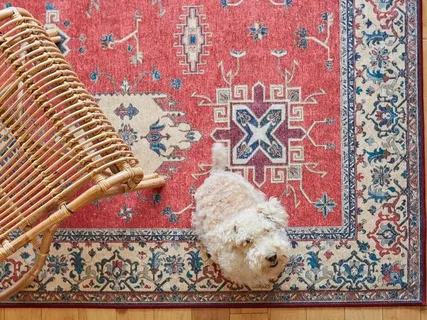
Choosing the perfect rug can completely change how your living area feels. It can make the room look larger, cozier, and more balanced. But finding the right size isn’t always easy. Many people pick rugs that are too small, which can throw off the proportions of the entire space.
If you’ve ever looked at your living room and felt something was “off,” chances are it’s the rug size. Proportion is what ties everything together. The right rug should anchor your furniture and create harmony in the room.
When people start searching to order area rugs, they often focus on color and texture first. Those are important, of course. But before choosing patterns or materials, getting the size right is what matters most. A rug that’s too small will look lost, no matter how beautiful it is. One that’s too large might overwhelm the space.
Let’s look at how you can find the ideal proportions for your living area step by step.
1. Measure Before You Fall in Love
The biggest mistake most homeowners make is buying before measuring. Always start with a tape measure.
Take note of your sofa’s width, the seating layout, and how much floor you want visible around the edges.
A good rule of thumb is to leave about 12 to 18 inches of exposed flooring around the rug. This creates a visual frame for your furniture and defines your space.
If you’re working with an open-concept area, the rug helps separate zones like your seating area from the dining section. In that case, a slightly larger rug works best to visually anchor the living space.
2. Match the Rug to Your Furniture Layout
Your rug should connect your furniture pieces, not float between them. When you order area rugs, think of them as the base layer of your furniture layout.
- For a large living room, all furniture legs can sit on the rug. This creates a cohesive, luxurious look.
- For a medium-sized space, keep the front legs of sofas and chairs on the rug and the back legs off. This keeps everything visually grounded without feeling crowded.
- For a small area, choose a rug that sits just under the coffee table. It still adds warmth and texture without overwhelming the room.
The key is consistency every major furniture piece should connect with the rug in some way.
3. Think About Shape and Flow
Not all living rooms are rectangular. Some are L-shaped, others have rounded corners, or awkward nooks. The rug shape can help balance those unique layouts.
- Rectangular rugs suit most standard living rooms.
- Round rugs soften sharp corners and create a cozy, inviting feel.
- Square rugs work well in balanced layouts with sectional seating.
The shape of your rug should echo the shape of your space and furniture arrangement. It’s a subtle detail that makes a big impact.
4. Layering Can Fix Odd Dimensions
Sometimes, you fall in love with a rug that’s just a bit too small. Don’t worry layering can save the day. Place a larger, neutral rug underneath, like jute or sisal, and layer your favorite patterned rug on top.
This trick adds texture and visual depth. It also lets you use smaller rugs creatively in big spaces. You’ll often see designers use this approach in open-concept living rooms.
Layering also gives you flexibility. You can swap out the top rug for seasonal colors without redecorating the whole room.
5. How Big is Too Big?
If your rug runs wall-to-wall, it’s probably too large. A little breathing space around the edges of your furniture helps the room feel balanced. You want your rug to define an area not cover the entire floor.
On the other hand, if the rug is too small, your furniture will look like it’s floating. The balance is in between.
Before you buy 10 x 12 rugs, lay painter’s tape on the floor to visualize the size. This simple step saves you from disappointment later. It’s much easier to adjust tape than return a rug that doesn’t fit right.
6. Color and Texture Still Matter
Once you have the proportions figured out, you can enjoy the fun part color and texture.
A soft, neutral rug adds calm to a busy space, while bold patterns can become a statement piece.
Keep your existing furniture and wall colors in mind. A rug doesn’t have to match everything perfectly. In fact, a little contrast creates visual interest.
Mix textures too. Pair a flatweave rug with plush throw pillows or a soft couch blanket. The mix of materials adds depth and warmth to your living area.
7. Choosing the Right Material
Material affects both comfort and maintenance. Wool rugs are soft and durable, great for high-traffic spaces. Cotton rugs are easy to clean and budget-friendly. Synthetic fibers, like polypropylene, are excellent for families or pet owners because they resist stains.
Natural fiber rugs like jute or sisal bring an earthy touch. They’re not as soft but work beautifully under larger rugs when layering.
Think about how you use the space. If you often eat or entertain in your living room, go for a rug that’s easy to clean and resists wear.
8. Using Rugs to Define Personality
A rug can completely shift the personality of your room. A vintage rug adds character and charm. A minimalist rug brings modern elegance.
Your rug is a reflection of your lifestyle. It’s not just a piece of décor it’s part of how you experience your space every day.
When you’re ready to buy 10 x 12 rugs, think of it as an investment in comfort and style. The right one makes your home feel inviting and complete.
9. Lighting and Rug Placement
Lighting changes how your rug looks. Natural light shows off texture and color during the day, while warm lighting enhances coziness at night.
If your rug is near a window, check how it looks at different times of day. Some materials fade under direct sunlight, so consider UV protection or shades.
Also, make sure furniture shadows don’t hide your rug’s best details. You want it to stand out and complement the entire space.
10. Maintenance and Longevity
A great rug deserves care. Rotate it every few months to prevent uneven wear. Use rug pads to stop slipping and protect your flooring. Vacuum regularly, but avoid harsh settings that can pull fibers.
For deeper cleaning, professional rug washing is worth the investment especially for natural fibers. With proper care, a good rug can last decades.
Bringing It All Together
Finding the right rug proportions is about balance. It’s not just about size it’s about how the rug connects your room. When you order area rugs, think about your furniture layout, traffic flow, and the feeling you want to create.
If you’re unsure, visualize it with tape or use online rug-size tools. A little planning goes a long way toward achieving a designer look without the guesswork.
And when you’re ready to take the next step, click here to explore curated collections from trusted stores, or find beautiful area rugs online that match your unique taste and budget.
The right rug isn’t just decoration it’s the foundation of your living space.
Frequently Asked Questions
1. How do I choose the right rug size for my living room?
Measure your seating area and leave around 12 to 18 inches of space between the rug and walls. Make sure furniture legs touch the rug to keep the space connected.
2. Should all furniture sit on the rug?
Not always. For smaller rooms, just the front legs on the rug work fine. Larger rooms can handle full placement.
3. What’s the best material for a living room rug?
Wool is great for comfort and durability. Synthetic rugs are best for easy cleaning. Choose based on lifestyle and use.
4. How do I keep my rug from slipping?
Use a non-slip rug pad. It protects both your rug and your flooring while adding extra cushioning.
5. Is a 10 x 12 rug too big for my space?
Not necessarily. It depends on your room size and furniture layout. Visualize it first with tape before you buy 10 x 12 rugs.