The world of commercial office design is rarely static, but certain practitioners move beyond simply following trends to actively shaping them. Graham Nicholas has established himself as one of these influential voices, introducing ideas and approaches that ripple through the industry and redefine what businesses expect from their workspaces. His revolution is not about novelty for its own sake but about thoughtful innovation that responds to genuine changes in how we work and what we value. Understanding how Graham Nicholas has influenced commercial fitouts Melbourne trends reveals the thinking that keeps his work fresh and his clients ahead of the curve.
Challenging the Open Plan Orthodoxy
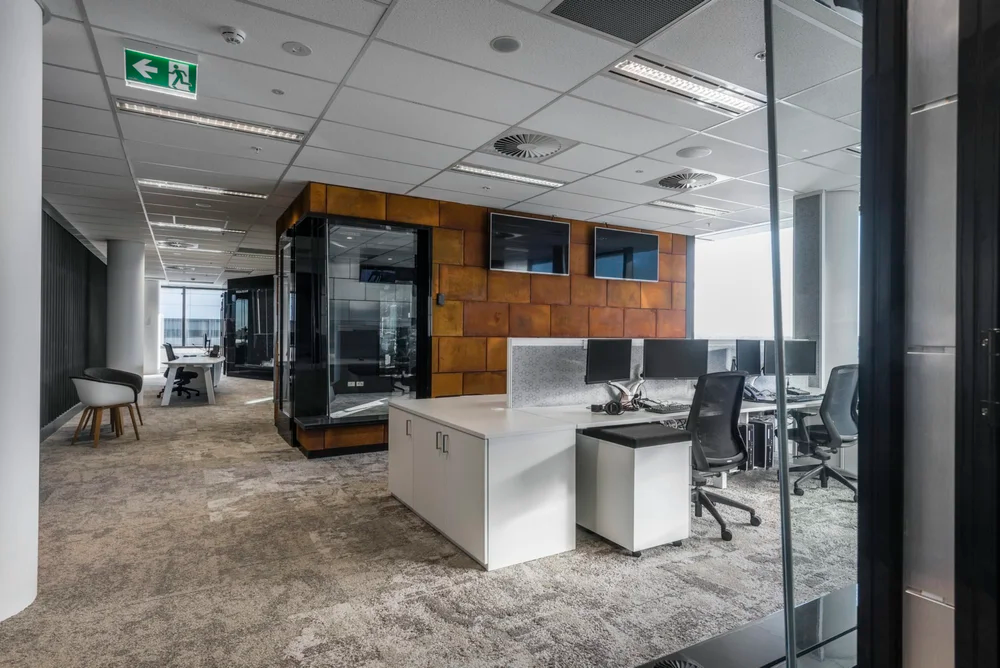
For years, the open plan office reigned as unquestioned dogma, pursued for its perceived collaboration benefits despite mounting evidence of acoustic distraction and privacy loss. Graham Nicholas was among those who challenged this orthodoxy, introducing more nuanced approaches that balanced openness with enclosure. His designs incorporated quiet zones for focused work alongside collaborative areas for interaction, recognizing that different activities require different environments. This balanced philosophy has influenced countless subsequent projects, moving the industry away from one-size-fits-all solutions toward more thoughtful, activity-based planning that serves diverse needs.
Bringing Residential Warmth to Commercial Spaces
The stark, corporate aesthetic that dominated office design for decades has given way to warmer, more residential approaches, and Graham Nicholas helped lead this transformation. His early adoption of residential materials, softer lighting, and comfortable furnishings demonstrated that professional environments need not feel cold or institutional. By incorporating timber, textiles, and layered lighting, he created workspaces that felt welcoming and humane while maintaining appropriate professionalism. This residential influence now appears throughout contemporary office design, with even the most corporate organizations seeking environments that feel more like homes than hospitals.
Pioneering Activity-Based Working Concepts
Before activity-based working became mainstream terminology, Graham Nicholas was designing spaces that embodied its principles. His layouts recognized that knowledge workers perform diverse tasks throughout their days and need environments supporting each activity. Focus work required quiet concentration. Collaboration needed spaces supporting interaction. Learning demanded areas for research and reflection. Social connection required comfortable gathering spots. By designing for this task diversity, Nicholas anticipated the flexible, choice-rich environments now considered essential for modern workplaces, influencing how countless organizations now conceive their space requirements.
Elevating Sustainability from Option to Imperative
While sustainability was once considered a niche concern or optional add-on, Graham Nicholas treated it as integral to responsible design long before it became fashionable. His early projects specified sustainable materials, prioritized natural light and energy efficiency, and designed for longevity that reduced future waste. This consistent commitment positioned sustainability as a design imperative rather than an environmental afterthought, influencing clients and peers to take it more seriously. Today, sustainable practice is expected rather than exceptional, and Nicholas’s early advocacy helped drive that fundamental shift.
Humanizing Technology Integration
As technology increasingly dominated workplaces, there was risk that offices would become cold, efficient machines rather than humane environments. Graham Nicholas responded by developing approaches that integrated technology while preserving warmth and personality. His designs concealed infrastructure within architecture, softened digital displays with natural materials, and ensured that technology served people rather than overwhelming them. This humanized approach to technology integration has influenced how designers think about the relationship between digital and physical environments, keeping human experience central even as capabilities expand.
Recognizing Wellness as Fundamental
The current emphasis on workplace wellness owes much to pioneers who recognized that environments profoundly affect physical and mental health. Graham Nicholas was designing with wellness in mind long before it became mainstream, incorporating natural light, fresh air, biophilic elements, and acoustic comfort as standard practice rather than special features. His understanding that wellness is not an add-on but fundamental to good design has influenced an entire generation of practitioners, contributing to the wellness-focused approach now expected in quality commercial fitouts.
Championing Flexibility and Adaptability
In a world of constant change, offices designed for static requirements quickly become obsolete. Graham Nicholas championed flexibility and adaptability as core design principles long before hybrid work made them essential. His modular systems, reconfigurable layouts, and infrastructure designed for easy updates anticipated the need for spaces that evolve alongside their occupying organizations. This forward-thinking approach has become increasingly influential as business uncertainty has become the norm rather than the exception, with flexibility now considered essential rather than optional.
Respecting Heritage While Embracing Modernity
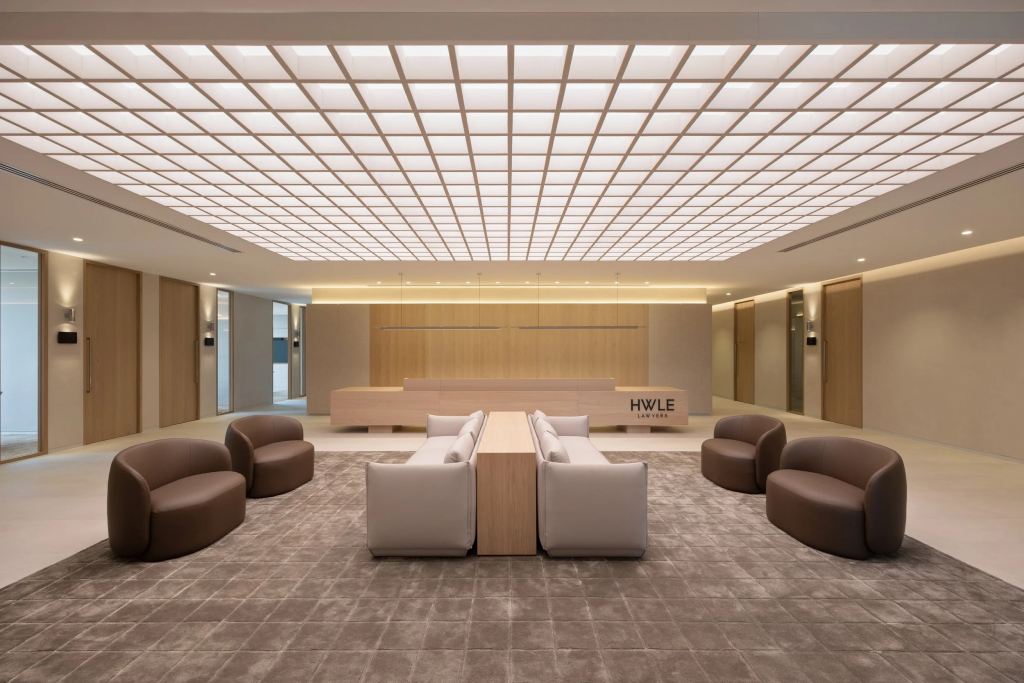
Melbourne’s rich architectural heritage presents both opportunity and constraint, and Graham Nicholas has influenced how the industry approaches historic buildings. His sensitive interventions demonstrate that heritage and modernity can coexist beautifully, with contemporary insertions respecting rather than mimicking historic fabric. This approach has influenced how designers across Melbourne approach heritage projects, moving away from either slavish replication or insensitive replacement toward thoughtful dialogue between old and new.
Looking Toward Future Revolutions
As someone who has helped shape past trends, Graham Nicholas continues looking toward future developments that will influence commercial fitout design. The ongoing evolution of hybrid work, advances in sustainable materials and technologies, deeper understanding of neurodiversity and inclusion, and shifting expectations about the office’s role in culture and community all suggest directions the industry will move. By staying curious and open to these developments, Nicholas ensures that his work remains relevant and influential, continuing to shape rather than simply follow the trends that define commercial office design. For clients, this forward orientation means spaces designed not for yesterday’s assumptions but for tomorrow’s realities.