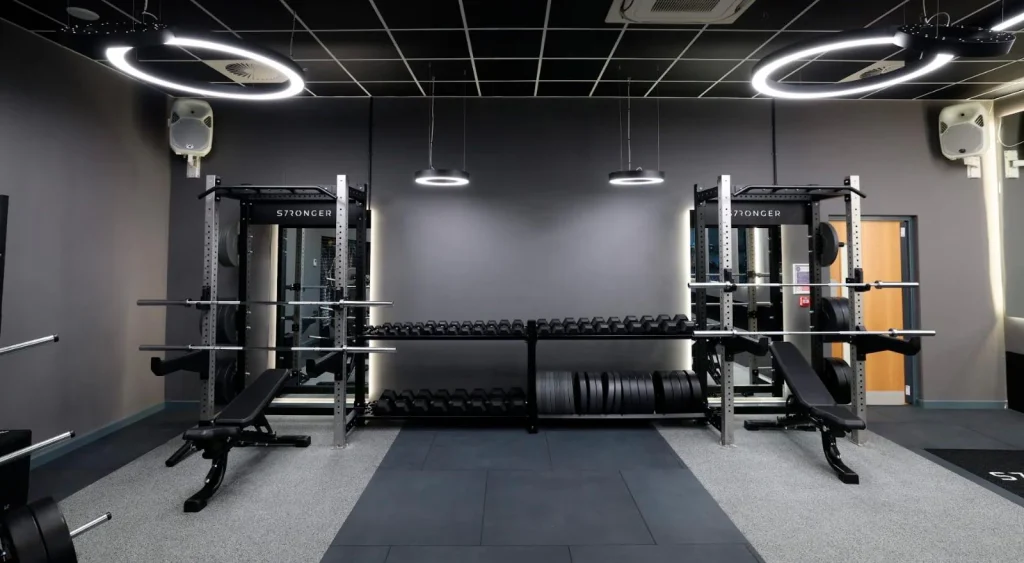
When people start building a workout space, their attention usually goes straight to equipment. Dumbbells, treadmills, benches, and resistance bands often get all the focus. But there’s one element that quietly determines how safe and comfortable the gym will be—the floor. The surface beneath your feet plays a bigger role than most people realize, and that’s where gym flooring becomes essential.
Whether you’re setting up a small home workout corner or designing a full fitness studio, proper gym flooring creates a strong foundation for training. It protects the floor, absorbs impact, reduces noise, and most importantly keeps workouts safer. Without the right flooring, even the best equipment cannot perform at its full potential.
Why Gym Flooring Is Important
Many people assume a regular concrete or tile floor is strong enough for workouts. While those surfaces might seem durable, they are not designed to handle repeated impacts from weights, jumps, or exercise machines.
Installing quality gym flooring helps prevent damage to both the floor and the equipment. It also creates a more comfortable environment where workouts feel stable and controlled.
Safety and Injury Prevention
Safety is one of the biggest reasons people invest in gym flooring. During workouts, movements like jumping, lifting weights, or performing high-intensity exercises place pressure on the body.
Hard surfaces increase the risk of slipping or joint stress. Proper gym flooring provides grip and shock absorption, helping reduce the chance of injuries. The extra cushioning also helps protect knees, ankles, and joints during demanding exercises.
Equipment Protection
Gym equipment can be heavy and expensive. Dropping weights directly on a hard surface can damage both the equipment and the floor underneath.
High-quality gym flooring works like a protective shield. It absorbs impact and prevents cracks, dents, and scratches on the floor. For people who use barbells or heavy dumbbells, installing proper gym flooring is especially important.
Types of Gym Flooring
There are several types of gym flooring available today, and each option serves a different purpose depending on the type of workouts performed.
Rubber Gym Flooring
Rubber is the most popular material used in gym flooring. It is durable, strong, and capable of handling heavy weights and intense workouts.
Many commercial fitness centers rely on rubber gym flooring because it offers excellent shock absorption and long-term durability. It also provides a non-slip surface, which improves safety during exercise.
Foam Gym Flooring
Foam mats are another common option for gym flooring, particularly in home gyms. They are lightweight, soft, and easy to install.
Foam gym flooring is ideal for activities such as yoga, stretching, and bodyweight workouts. While it may not support extremely heavy equipment, it provides excellent comfort for floor exercises.
Interlocking Gym Tiles
Interlocking tiles are a convenient solution for people who want simple installation. These tiles connect together like puzzle pieces, allowing users to create a custom gym flooring layout.
One major advantage of this type of gym flooring is flexibility. If one tile gets damaged, it can easily be replaced without removing the entire floor.
Vinyl Gym Flooring
Vinyl surfaces are often used in professional fitness studios and multipurpose workout areas. This type of gym flooring is durable and easy to maintain.
Vinyl gym flooring provides a smooth yet supportive surface that works well for group workouts, dance classes, and functional training sessions.
Choosing the Right Gym Flooring
Selecting the best gym flooring depends largely on how the workout space will be used. Different training styles require different levels of support and durability.
Thickness and Durability
Thickness plays a crucial role in the performance of gym flooring. Areas used for heavy lifting typically require thicker flooring because it absorbs more impact.
High-quality gym flooring with proper thickness protects both the structural floor and the equipment being used. Thicker mats also provide better shock absorption during high-impact exercises.
Size and Layout
The layout of your gym space also affects your gym flooring decision. Some people prefer full-coverage flooring that covers the entire workout area.
Others install gym flooring only in specific zones, such as under weight racks or exercise machines. Choosing the right layout helps create a functional and organized training environment.
Installation Tips for Gym Flooring
Installing gym flooring can be easier than many people expect. Foam mats and interlocking tiles are usually the simplest options because they require very little preparation.
Rubber rolls or vinyl flooring may require more careful installation, especially in larger spaces. Regardless of the type you choose, preparing the surface properly ensures the gym flooring stays stable and long-lasting.
Cleaning and Maintaining Gym Flooring
Keeping the workout area clean is just as important as choosing the right flooring. Sweat, dust, and dirt can build up quickly in active spaces.
Fortunately, most gym flooring options are designed for easy maintenance. Regular sweeping and occasional mopping are usually enough to keep the surface clean. Many rubber and vinyl gym flooring materials are also moisture-resistant, which helps maintain hygiene.
Conclusion
A successful workout space begins with a strong foundation. Without the right surface, even the best equipment cannot provide the comfort and safety needed for effective training.
Proper gym flooring improves safety, protects equipment, and creates a professional workout environment. Whether you’re designing a home gym or upgrading a commercial fitness facility, investing in durable gym flooring is a smart decision that enhances both performance and long-term durability.
Once the right flooring is in place, every workout feels more stable, comfortable, and ready for the next challenge.