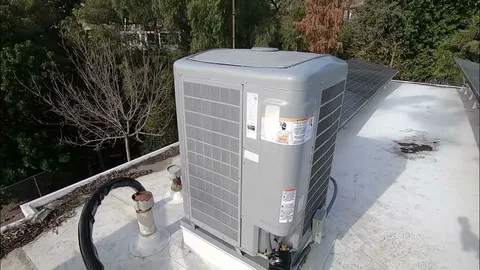
A properly selected and installed heat pump condenser is the outdoor workhorse that lets a heat pump move energy efficiently between indoors and out. The condenser is more than a metal box; it houses the compressor, condenser coil, fan, and controls that together determine seasonal performance, noise, and reliability. This practical guide covers how heat pump condensers work, siting and mounting best practices, commissioning and startup checks, routine maintenance, common failures and fixes, and tips that help owners and technicians get the longest, most efficient life from these outdoor units.
How a heat pump condenser fits into the system
At the heart of any air-source heat pump is a closed refrigerant loop: the condenser exchanges heat with outdoor air while the indoor evaporator handles interior heat transfer. In heating mode the outdoor unit extracts ambient heat and pumps it inside; in cooling mode it rejects interior heat outside. The condenser assembly contains the compressor that circulates refrigerant, a finned coil that increases surface area for heat exchange, and a fan that moves air across the coil. Because the condenser both moves refrigerant and exchanges heat, its mechanical and thermal condition directly affects COP (coefficient of performance), capacity at extreme temperatures, and overall energy use.
Proper siting and mounting matter more than you might expect
Where you place a heat pump condenser changes how it performs. It should have ample clearances to allow free airflow into and out of the coil; obstructed intake or discharge dramatically reduces capacity and raises operating pressure. Mount the unit on a solid, level pad or anti-vibration bracket to prevent settling and minimize transmission of vibration into the structure. Avoid installing the condenser in narrow alcoves where hot discharge air will recirculate back through the coil. In colder climates, raise the condenser above expected snow levels and allow space for defrost drip. Position the unit so service access is straightforward for routine maintenance and future repairs.
Electrical and refrigerant connections: do them right for longevity
A competent installation routes power and control wiring using conduit or protected conduit-like raceways and provides a local disconnect per code. Electrical connections should be tight and protected from weather; loose terminals invite heat and lead to premature failure. Refrigerant line-sets must be properly supported, insulated on the suction line to prevent condensation, and purged and evacuated to the required micron level before charge. For multi-zone or multi-head systems, follow manufacturer limits on line length and vertical rise — exceeding these limits harms compressor lubrication and reliability. Attention to these details during installation gives the heat pump condenser the best chance to operate efficiently for years.
Commissioning and baseline measurements: don’t skip this step
Commissioning transforms a mechanical assembly into a working system. For a heat pump condenser this includes verifying correct refrigerant charge or confirming manufacturer pre-charge allowances, measuring suction and discharge pressures under representative load, logging compressor current draw, and recording supply/return temperatures at the indoor units. A commissioning report with these baseline numbers is invaluable for later troubleshooting; future comparisons quickly reveal drift in charge, failing components, or airflow restriction. Also verify that safety devices such as low-pressure and high-pressure switches work and that defrost cycles run and terminate correctly in heating mode.
Routine maintenance that preserves efficiency
Keeping a heat pump condenser healthy is largely about airflow and cleanliness. Periodic coil cleaning removes grime and biological growth that act as thermal insulation and reduce heat transfer. Use soft-water rinses and coil-safe cleaners to avoid bending fins or stripping protective coatings. Keep vegetation trimmed to maintain clear airflow and check and tighten electrical connections annually. Inspect fan blades and motors for wear, confirm proper fan balancing, and replace pads or vibration mounts if they show deterioration. For systems with serviceable filters on the outdoor side, follow the recommended replacement intervals. Regular preventive care keeps the condenser running closer to its intended performance curve and reduces the chance of compressor stress.
Common failure modes and how to diagnose them
Many common condenser problems are symptomatic of simpler root causes. Reduced capacity and higher-than-normal compressor current can come from restricted airflow, low refrigerant charge, or a failing fan motor. Short-cycling may indicate control wiring problems, incorrect thermostat settings, or a faulty pressure switch. Repeated overheating often traces back to dirty coils or a locked rotor in the compressor. If the unit trips protective devices, capture thermodynamic data (pressures, temperatures, amp draw) and examine mechanical items like start capacitors and contactors before replacing the compressor. A methodical diagnosis based on measured parameters saves time and money compared with swapping components at random.
Defrost behavior and winter considerations
In heating mode outdoor coils will frost in cold, humid conditions; defrost cycles are necessary to restore heat-transfer capacity. Modern heat pump condensers use timed or demand defrost strategies controlled by pressure sensors, temperature differentials, or algorithms. Verify during commissioning that the defrost strategy works: the unit should enter defrost only when needed and recover efficiently without excessive auxiliary heat usage. Siting also affects defrost: locations subject to heavy drifting or where meltwater can refreeze beneath the unit need attention to prevent ice buildup that blocks airflow.
Noise and vibration control — good neighbors and comfortable interiors
Condenser noise comes from the compressor, fan, and mechanical vibration transmitted through mounting structures. Choose a unit with low-sone ratings when noise is a concern and use anti-vibration pads or spring isolation mounts if the condenser sits near living spaces. Keep intake and discharge clearances and align the unit so the fan discharges away from bedroom windows or neighbor properties where possible. Addressing noise proactively during installation prevents community complaints and often avoids expensive relocation later.
Upgrades and efficiency improvements
If a heat pump condenser ages or performance lags, targeted upgrades can be effective. Replacing a worn fan motor with a modern ECM (electronically commutated motor) can reduce electrical draw and improve modulation. Cleaning coils and ensuring correct refrigerant charge often restores lost capacity without major parts replacement. For older systems, consider whether modern inverter-driven condensers that modulate compressor speed would deliver meaningful efficiency gains for your operating profile; sometimes a partial retrofit — replacing the outdoor condenser and reusing indoor heads where compatible — is a cost-effective path to improved seasonal performance.
Safety, codes, and hiring the right technician
Work on refrigerant systems and high-voltage electrical components requires certifications and safety practices. When in doubt, hire a licensed HVAC technician who follows local codes for electrical disconnects, refrigerant handling, and mechanical supports. Proper records — model and serial numbers, commissioning logs, and maintenance entries — protect warranties and simplify warranty claims or recalls.
Final thoughts: design and care add years to service life
A heat pump condenser rewards careful planning, precise installation, and consistent maintenance. Siting for airflow, solid mounting, correct electrical and refrigerant work, and a commissioning baseline are the most impactful steps you can take on the front end. After installation, simple seasonal maintenance—cleaning coils, tightening electrical connections, and verifying fan and compressor health—keeps the unit operating efficiently and reduces failure risk. With the right attention, a heat pump condenser will deliver reliable, efficient heating and cooling for many seasons.