If you have ever found yourself staring at a veterinary invoice or a pharmacy catalog wondering whether one ketamine product is really different from another, you are not alone. Many horse owners and even some veterinary professionals assume that ketamine is simply ketamine—a single drug with a single effect. But the truth is more complicated. Ketamine comes in different concentrations, different formulations, and even different optical isomers, each with its own strengths and weaknesses. Choosing the right product for your horse is not about picking the cheapest option or the one with the most appealing label. It is about matching the drug’s properties to your horse’s specific medical situation, the procedure being performed, and the veterinarian’s preferred protocol. At Horse Medicine Store, we believe that informed choices lead to better outcomes. So let’s walk through exactly what you need to know to select the right ketamine product under veterinary guidance.
Understanding the Different Forms of Ketamine Available
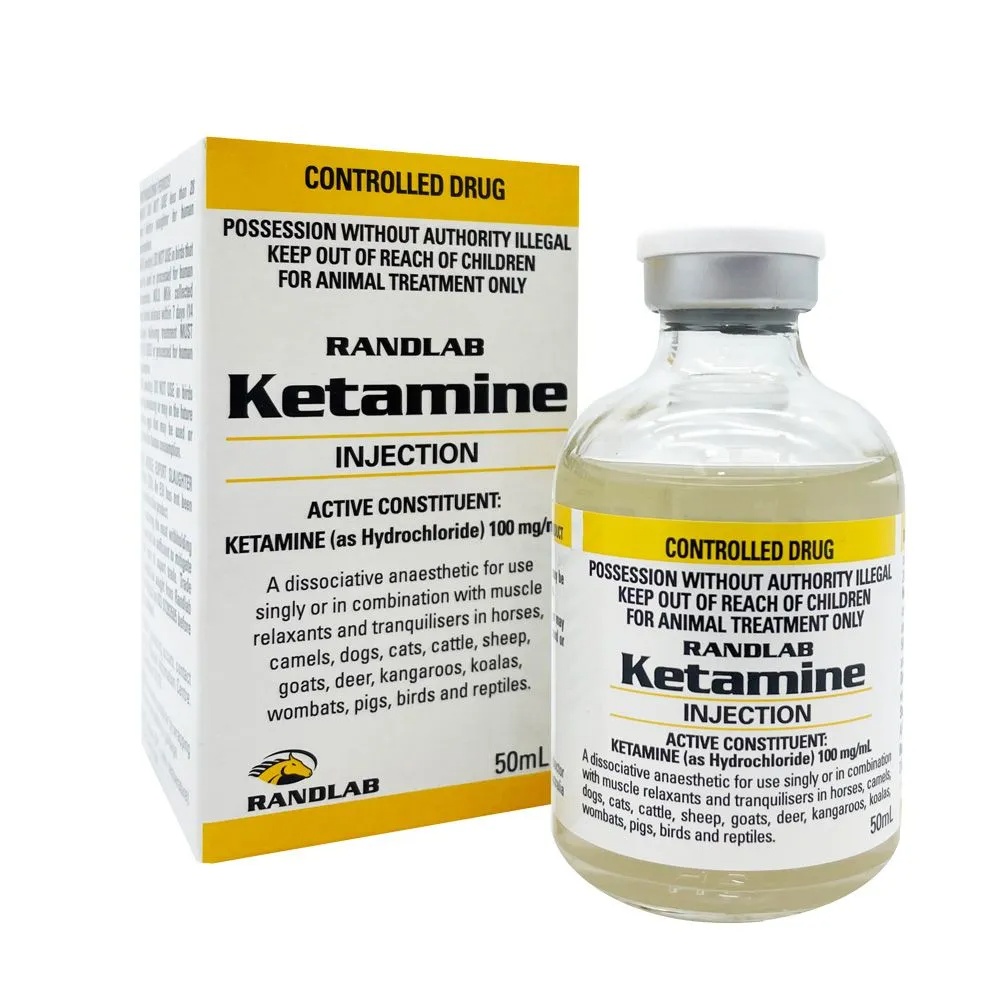
Ketamine for horses is primarily available as a sterile injectable solution. But within that simple description lies real variety. The most common form is ketamine hydrochloride at a concentration of 100 mg per milliliter. This is the standard concentration used in most equine anesthesia protocols. However, compounded versions may come in higher concentrations, such as 200 mg per milliliter, which can be useful for very large horses or field situations where you want to inject a smaller volume. Some pharmacies also offer preservative-free ketamine, which is generally preferred for continuous infusions lasting more than a few hours, as preservatives can accumulate and cause tissue irritation. Another distinction is between racemic ketamine and esketamine. Racemic ketamine contains two mirror-image molecules, while esketamine contains only the more potent one. Esketamine is about twice as potent milligram for milligram, but it is also more expensive and less commonly stocked in equine practices. Your veterinarian will decide which form is right based on availability, cost, and the specific demands of the procedure.
Matching the Product to the Clinical Situation
The right ketamine product for a fifteen-minute castration is not necessarily the right product for a three-day pain management infusion. For short surgical procedures, standard racemic ketamine at 100 mg per milliliter works perfectly. It is widely available, well-studied, and affordable. For a horse receiving a constant rate infusion over many hours, many veterinarians prefer preservative-free ketamine. Preservatives like benzethonium chloride or chlorobutanol are safe for single injections but can cause phlebitis or tissue damage when infused continuously. For standing sedation with a brief painful stimulus—say, removing a skin tumor in an awake horse—low-dose ketamine drawn from the same standard vial works well. The key is to understand that the product itself may be identical across scenarios, but the way you use it changes. That said, if your veterinarian recommends a compounded higher concentration for an extreme giant breed or a preservative-free option for a long infusion, listen to that advice. Clinical situation dictates product choice more than any other factor.
Evaluating Product Quality and Source Legitimacy
Here is where many horse owners go wrong. They find a website offering ketamine at a fraction of the normal price, and they assume it is the same product their veterinarian would use. It is not. Ketamine is a controlled substance, and any legitimate source will require a valid veterinary prescription before selling it to you. Licensed veterinary pharmacies—whether local compounding pharmacies or accredited national providers like Wedgewood or MilliporeSigma—must follow strict quality control standards. They test for sterility, potency, and the absence of contaminants. Unverified online sellers skip all of that. Their product may be expired, incorrectly labeled, contaminated with bacteria or heavy metals, or completely counterfeit. When evaluating a ketamine product, ask yourself three questions: Does the seller require a prescription? Is the pharmacy licensed in your state? Can you verify their accreditation through the National Association of Boards of Pharmacy or the Veterinary Verification Database? If the answer to any of these is no, walk away. Your horse’s life is worth more than a cheap deal.
The Role of Compounded Ketamine in Equine Practice
Sometimes, commercially available ketamine simply does not fit the need. For a miniature horse or a foal, the standard 100 mg per milliliter concentration may be too strong, making accurate measurement of tiny doses difficult. For a massive draft horse, you might want a more concentrated product to reduce injection volume. This is where compounding pharmacies step in. They can produce ketamine at custom concentrations, in preservative-free formulations, or even in combination with other drugs like xylazine in a single vial. Compounded ketamine is not FDA-approved in the same way that mass-manufactured drugs are, but it can be legally prescribed by a veterinarian under the federal extralabel drug use rules. The catch is that you must use a reputable compounding pharmacy that follows good manufacturing practices. Some small, fly-by-night compounders produce inconsistent or even dangerous products. Stick with pharmacies recommended by your veterinarian or by professional organizations like the American Association of Equine Practitioners.
Storage and Handling Requirements for Different Products
Once you have chosen the right ketamine product, you need to treat it properly to keep it effective. All ketamine solutions should be stored at room temperature, typically between 68 and 77 degrees Fahrenheit, away from direct sunlight and moisture. Do not freeze ketamine—freezing can cause precipitation or degradation of the drug. The expiration date on the vial is non-negotiable. Using expired ketamine can lead to reduced potency, meaning your horse may wake up during surgery, or to toxic breakdown products that could harm the animal. For multi-dose vials, use a sterile needle each time you draw up the drug, and wipe the rubber stopper with alcohol before puncturing it. Once a vial is opened, most manufacturers recommend using it within twenty-eight days, though some compounded products may have shorter or longer beyond-use dates. Preservative-free ketamine intended for continuous infusion should be used immediately after opening and never stored for later use. Following these storage guidelines ensures that the product you carefully selected performs exactly as it should on the day it matters most.
Consulting Your Veterinarian Before Any Purchase
This final point cannot be overstated. You should never choose a ketamine product on your own. Ketamine is not a over-the-counter supplement or a fly spray. It is a powerful anesthetic that requires professional oversight from start to finish. Your veterinarian will consider your horse’s age, weight, health status, the procedure type, and even the facilities available for recovery before deciding which ketamine product to use and at what dose. If you have a preference or have heard about a particular formulation, bring it up with your vet. A good veterinarian will explain their reasoning and welcome an informed discussion. But the final decision must rest with the professional who has examined your horse and will be responsible for its safety. At Horse Medicine Store, we never sell ketamine directly to owners—we direct them to their veterinarians. Because choosing the right ketamine product is not a solo decision. It is a partnership between you, your vet, and a trusted pharmacy, all working together for the well-being of your horse.