


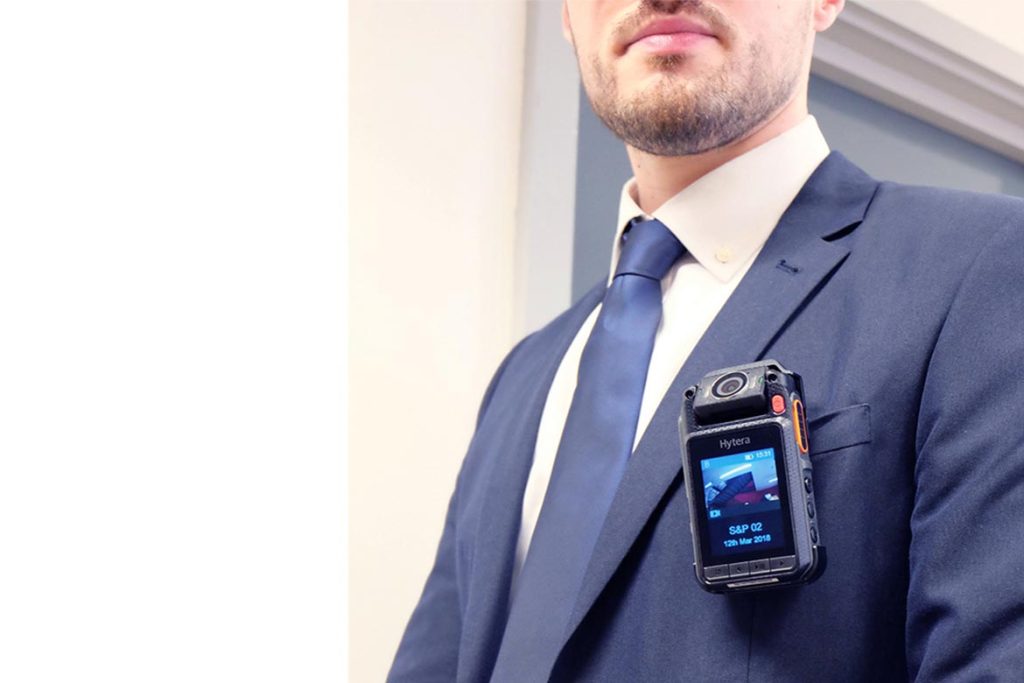
The hospitality industry in the United States—especially hotels, resorts, and event venues—deals with constant interaction between staff and guests. While most experiences are positive, disputes and false claims can sometimes arise. These claims may involve allegations of theft, poor service, or inappropriate staff behavior.
Such situations can harm a hotel’s reputation, increase legal risks, and reduce staff morale. To address this growing issue, many hospitality businesses are now adopting body worn camera technology as part of their security and accountability systems.
Let’s explore how this technology is transforming guest-staff interactions and reducing false claims in the industry.
Why are hotels investing in body camera solutions?
Many US hospitality businesses are upgrading their security systems with tools like body camera best buy solutions to improve transparency and protect both guests and employees.
Hotels, especially in busy cities like New York, Las Vegas, and Miami, face high guest turnover. With so many daily interactions, misunderstandings are almost inevitable. A simple disagreement at the front desk or valet station can sometimes escalate into a formal complaint.
Body cameras help by:
- Recording real-time interactions
- Providing unbiased evidence of events
- Supporting staff during disputes
- Improving trust between guests and employees
This added layer of accountability is especially useful in high-end hotels and large resort chains where service expectations are extremely high.
How do body cameras reduce false guest claims?
False claims in hospitality often arise due to miscommunication or emotional reactions. A guest may misinterpret a situation or remember events incorrectly. Body cameras help resolve these issues by providing clear visual and audio evidence.
Here’s how they help reduce disputes:
- Record exact interactions between staff and guests
- Capture timestamps and contextual details
- Provide objective evidence for management review
- Help verify or dismiss complaints quickly
For example, if a guest claims a staff member was rude or unprofessional, recorded footage can show exactly what was said and how the interaction unfolded. This protects honest employees from unfair accusations and ensures that legitimate complaints are addressed properly.
Many modern systems also include features such as:
- Body camera with audio recording for complete documentation
- Body camera with night vision for late-night shifts
- Body camera with cloud storage for secure evidence retention
These tools make investigations faster, more accurate, and more transparent.
Where should hospitality businesses source reliable body cameras?
Choosing the right equipment is important for effective implementation. Many US hospitality companies carefully research suppliers before deciding where to buy body camera systems that meet their operational needs.
Hotels typically look for devices that are:
- Lightweight and comfortable for staff use
- Easy to operate during fast-paced service interactions
- Secure with encrypted storage
- Durable for long shifts and daily wear
Security teams, concierge staff, and event coordinators often wear these devices during peak hours. This ensures that any interaction can be reviewed if needed, improving both accountability and guest confidence.
Can body cameras improve employee protection in hotels?
Yes, one of the most important benefits of body cameras is employee protection. Hotel staff often face difficult situations, including aggressive guests, misunderstandings, or false accusations.
Body cameras help by:
- Providing proof of correct staff behavior
- Preventing verbal abuse escalation
- Supporting HR investigations
- Encouraging respectful guest interactions
When employees know that interactions are recorded, they tend to remain more professional and confident. At the same time, guests are more likely to behave respectfully, knowing their actions are also being documented.
This mutual awareness creates a safer and more balanced working environment.
How do body cameras improve hotel management decisions?
Beyond resolving disputes, body camera footage can also help hotel management improve operations.
Managers can use recorded data to:
- Train new employees using real scenarios
- Identify service gaps or communication issues
- Improve guest handling procedures
- Enhance staff performance evaluations
For example, if a recurring issue is identified at the front desk, management can review footage to understand what is going wrong and implement better training or procedures.
This leads to improved customer satisfaction and more efficient operations overall.
Are body cameras legal in US hospitality environments?
Yes, body cameras are legal in most hospitality settings across the United States, but they must comply with privacy laws and company policies.
Hotels typically follow guidelines such as:
- Informing staff about camera usage
- Displaying guest notices when required
- Restricting recording in private spaces like hotel rooms
- Securing recorded data properly
By following these rules, hotels can ensure ethical use of technology while still benefiting from improved security and accountability.
What features should hotels prioritize when choosing body cameras?
Not all devices are suitable for hospitality use. Hotels should select cameras designed for professional environments with features like:
- High-definition video recording for clear evidence
- Long battery life for full shift coverage
- Compact and discreet design for staff comfort
- Secure cloud-based storage for data protection
- Fast access playback for management review
These features ensure smooth integration into daily hotel operations without disrupting guest experience.
FAQs
Why are body cameras used in hotels?
They are used to record interactions, reduce disputes, and protect both guests and staff from false claims.
Do body cameras affect guest experience?
When used properly, they do not interfere with service and can actually improve trust and professionalism.
Can guests request to see body camera footage?
In most cases, access is controlled by hotel management and depends on legal and privacy policies.
Are body cameras common in US hotels?
They are becoming more common, especially in large hotel chains and high-end hospitality businesses.
Do body cameras help reduce legal risks?
Yes, recorded evidence can help resolve disputes quickly and reduce the risk of lawsuits from false claims.
Final Words
Body worn cameras are becoming an important tool in the US hospitality industry. As hotels and resorts deal with increasing guest expectations and higher service volumes, the need for transparency and accountability is greater than ever.
By recording real-time interactions, these devices help reduce false claims, protect staff, and improve overall service quality. They also support better training, faster dispute resolution, and stronger trust between guests and employees.
In a competitive hospitality market, investing in body camera technology is not just about security—it’s about building a more professional, transparent, and reliable guest experience.