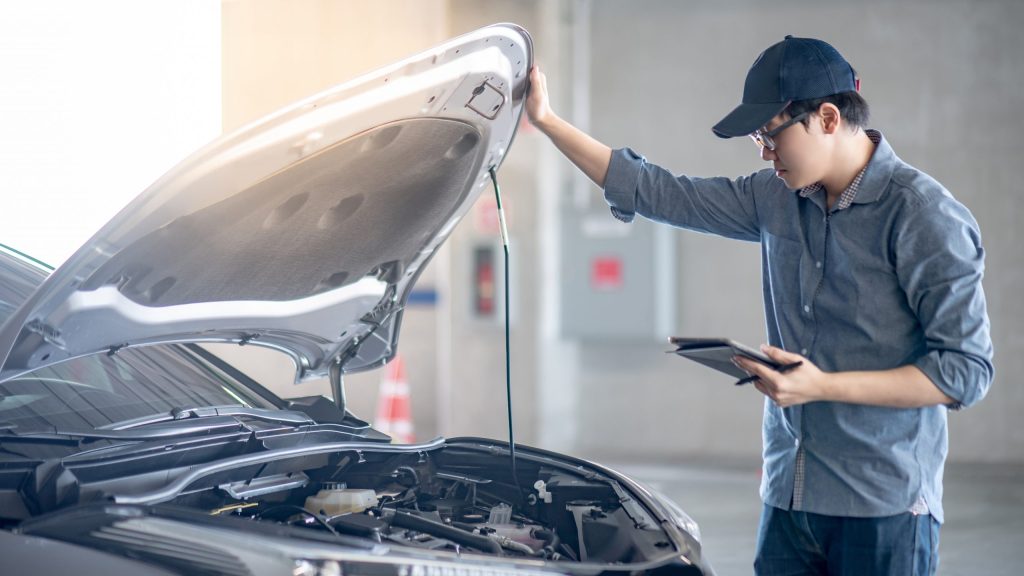
Accurate vehicle calibration is essential for safety, reliability, and system performance. Automatic Emergency Braking Calibration ensures sensors detect obstacles precisely to prevent collisions. Experts begin by inspecting the vehicle to identify which systems require recalibration. They determine the correct procedure for each make and model, using advanced diagnostic tools and precise alignment techniques. Proper calibration ensures all electronic systems, including driver-assist features, operate correctly in real-world conditions, maintaining performance and protecting both drivers and passengers on every journey.
Diagnosing Calibration Needs
Experts start by assessing the vehicle with diagnostic software. Warning lights, error codes, or alerts in driver-assistance systems indicate potential issues. Common triggers include windshield replacement, collision repairs, or sensor misalignment. Technicians check cameras, radar, and LiDAR sensors to determine which components need recalibration. Accurately identifying the needs prevents unnecessary work, saving time and reducing errors. Proper diagnosis ensures that systems like lane-keeping and adaptive cruise control respond reliably, avoiding safety risks that could result from incomplete or improper calibration.
Preparing the Vehicle
Preparation is critical for precise calibration. Experts verify tire pressure, suspension alignment, and wheel balance. Diagnostic codes are cleared, and software updates are installed if required. Sensor mounts and brackets are checked for stability to ensure accurate measurements. Environmental factors such as lighting and flat surfaces are considered for camera and radar systems. This preparation creates a consistent baseline for calibration, allowing tools to function optimally. A properly prepared vehicle ensures reliable sensor performance, accurate driver-assist system operation, and a smooth calibration process that adheres to manufacturer specifications.
Calibration Tools and Equipment
Specialized tools are essential for accurate calibration. Target boards, scanning devices for radar and LiDAR, and diagnostic software interfaces communicate with vehicle systems. Mobile platforms and lifts allow technicians to work under controlled conditions, reducing the risk of error. Each make and model may require unique tools or equipment to meet manufacturer specifications. Experts ensure compatibility before starting calibration. Correct tools maintain sensor alignment, verify precise measurements, and guarantee driver-assist features work effectively. Proper equipment use directly impacts safety, preventing system malfunctions caused by misaligned sensors or improper calibration.
Step-by-Step Calibration Procedures
Calibration procedures vary by system but follow structured steps:
- Verify vehicle setup and sensor positions
- Access calibration mode using diagnostic software
- Adjust sensor angles as per manufacturer guidelines
- Conduct static calibration on flat surfaces or dynamic calibration during controlled driving
- Test system performance for obstacle detection, lane tracking, and other safety features
Following these steps ensures that sensors correctly interpret the environment. Experts cross-check adjustments for accuracy, confirming that all systems meet performance and safety standards before completing the calibration process.
Post-Calibration Verification
Verification ensures calibration success. Technicians run system tests to confirm sensors respond correctly, and warning lights are cleared. Road tests evaluate adaptive systems under different conditions, including automatic braking, lane assist, and collision avoidance. Calibration reports document all adjustments for reference and future maintenance. Any discrepancies are corrected through fine-tuning or re-calibration. This verification protects drivers, passengers, and pedestrians by ensuring every system operates reliably. Post-calibration checks validate that the vehicle performs safely and consistently, maintaining high standards of accuracy and compliance with manufacturer guidelines.
Benefits of Expert Calibration
Expert calibration delivers multiple advantages. Driver-assist systems such as collision avoidance, adaptive cruise control, and blind-spot monitoring function reliably. Proper sensor alignment reduces false alerts and optimizes fuel efficiency by improving vehicle response. Calibration maintains warranty compliance and supports long-term maintenance plans. For commercial fleets, it minimizes downtime and prevents costly accidents. Overall, accurate calibration safeguards drivers and passengers, maintains technological integrity, and preserves vehicle value. This ensures that every system operates effectively and reduces liability risks, giving vehicle owners confidence on the road.
Common Calibration Challenges
Technicians face challenges such as sensor drift, software glitches, or environmental interference. Accidents or incorrect installation can misalign sensors. Some vehicle models require unique calibration procedures or custom adjustments. Environmental factors like uneven surfaces, lighting, or road conditions may affect camera-based calibrations. Experts overcome these issues using experience, specialized tools, and adherence to manufacturer protocols. Proper handling of challenges prevents system errors and maintains calibration accuracy. Skilled professionals ensure that safety features remain functional and reliable, safeguarding drivers and passengers while reducing risks from improperly calibrated systems.
When to Seek Expert Calibration
Vehicle owners should pursue calibration after accidents, windshield replacements, or sensor malfunctions. Warning lights, false alerts, or erratic behavior indicate immediate recalibration is needed. Routine checks are recommended for high-mileage vehicles or fleet operations. Attempting calibration without the proper tools or knowledge can compromise safety and system performance. Professional technicians provide accuracy, compliance with manufacturer standards, and reliability. Engaging experts ensures vehicles protect occupants effectively, maintain optimal driver-assist functionality, and preserve long-term system integrity.
Conclusion
Accurate vehicle calibration requires advanced tools, skilled technicians, and strict adherence to manufacturer guidelines. From Automatic Emergency Braking Calibration to complete sensor alignment, expert procedures guarantee safety, reliability, and performance. Proper diagnosis, preparation, calibration, and verification ensure all systems respond correctly under real-world conditions. Relying on professionals safeguards drivers and passengers while maintaining vehicle technology integrity. Expert calibration supports long-term vehicle performance, reduces risk, and preserves value, providing confidence and safety on every drive.
FAQs
How often should vehicles be calibrated?
Calibration is recommended after accidents, windshield replacements, sensor malfunctions, or as part of routine maintenance for fleets and high-mileage vehicles.
Can calibration be done at home?
Without proper tools and knowledge, home calibration risks safety. Professional technicians ensure accuracy and compliance with manufacturer standards.
Which systems require calibration?
Common systems include automatic emergency braking, lane assist, adaptive cruise control, collision avoidance, blind-spot monitoring, and surround-view cameras.
What are the risks of incorrect calibration?
Misalignment can cause false alerts, reduced system efficiency, and increased accident risk. It may also affect fuel efficiency and vehicle performance.
How long does calibration take?
Depending on the vehicle and systems, calibration typically takes one to several hours, including verification and controlled road testing.