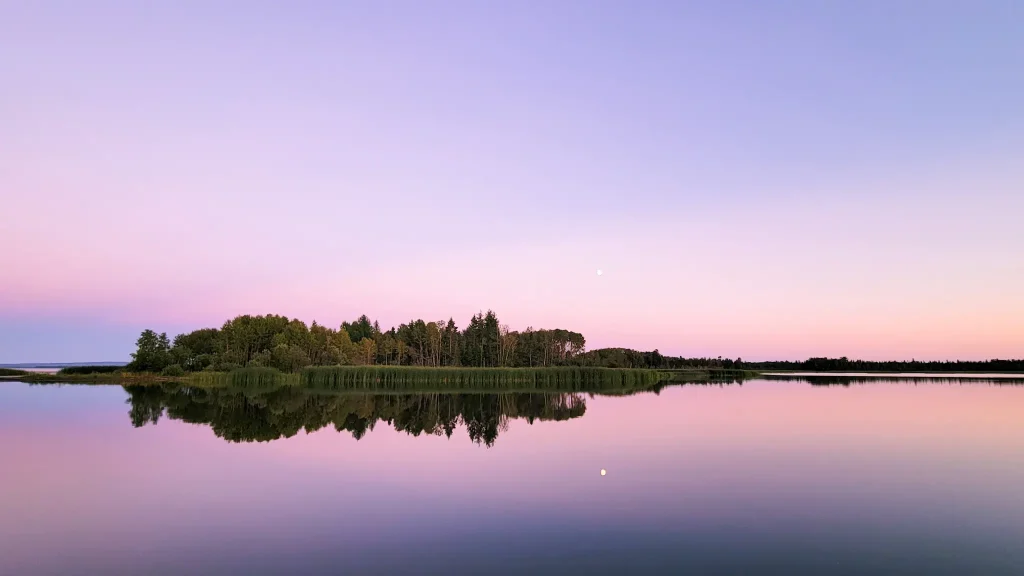
Landscape photography captures more than scenery; it conveys emotions that resonate with viewers, and mastering composition is essential to achieve that effect. Luminous Landscape Photography demonstrates how the thoughtful arrangement of elements can transform a simple scene into a powerful emotional experience. Composition directs attention, balances visual weight, and establishes mood through choices in framing, perspective, and color. By understanding the principles of composition, photographers can evoke serenity, drama, awe, or intimacy, giving each landscape image a distinct emotional voice that engages viewers and leaves a lasting impression.
Understanding Composition in Landscape Photography
Composition in landscape photography defines the visual structure and guides how viewers experience an image, shaping their emotional response. Photographers use principles such as the rule of thirds, leading lines, framing elements, symmetry, and negative space to control focus and movement within the scene. Each compositional choice affects mood: a centered subject with symmetrical balance can create calm and stability, while diagonal lines and asymmetry introduce tension or excitement. Foreground, middle ground, and background layers provide depth, drawing viewers into the scene and establishing spatial relationships that enhance emotional impact. Consistent use of visual cues such as repeating patterns, textures, and contrasts strengthens storytelling and creates a sense of cohesion. Understanding how shapes, lines, and placement influence perception allows photographers to communicate feelings without words, turning landscapes into visual narratives that resonate on a subconscious level.
- Rule of thirds
- Leading lines
- Framing elements
- Symmetry and balance
- Negative space
How Light Shapes Mood
Light determines the tone and atmosphere of every landscape photograph and has a direct effect on mood. Golden hour light bathes scenes in warmth, evoking peace and nostalgia, while overcast conditions soften shadows and produce calm, contemplative feelings. Harsh midday light creates contrast and drama, accentuating textures and adding intensity. Directional light, such as side lighting or backlighting, can highlight forms and create dynamic tension or ethereal glow. Soft light emphasizes tranquility and subtle transitions, while strong shadows convey mystery or suspense. Understanding how to capture and manipulate light empowers photographers to create emotional depth and guide viewers through visual storytelling. Adjusting exposure, controlling highlights and shadows, and leveraging natural lighting conditions ensures that mood aligns with the intended narrative of the scene.
- Warm vs. cool light
- Soft vs. harsh shadows
- Direction of light (front, side, backlighting)
- Highlighting textures and depth
Color and Its Emotional Impact
Color plays a pivotal role in shaping the mood of landscape photography, influencing feelings at both conscious and subconscious levels. Warm colors such as reds, oranges, and yellows often convey energy, excitement, or warmth, while cool colors like blues and greens evoke calmness, serenity, or melancholy. Saturation and contrast intensify emotions, while muted tones suggest subtlety and introspection. Complementary color schemes enhance visual interest and emotional resonance, drawing attention to key elements. Seasonal changes alter color palettes, affecting the overall mood; autumn’s warm hues inspire nostalgia, while winter’s cool tones communicate stillness or isolation. Mastering color selection and balancing hues enables photographers to craft landscapes that evoke precise emotional responses, transforming ordinary scenes into compelling, emotive experiences.
Perspective and Scale
Perspective and scale in landscape photography define spatial relationships and shape emotional perception. Wide-angle lenses exaggerate depth, making landscapes feel vast and awe-inspiring, while telephoto lenses compress space, emphasizing intimacy and detail. Incorporating recognizable objects or human subjects provides scale cues, making viewers connect emotionally with the scene. Low angles create drama and dominance, while high vantage points offer overview and contemplation. Altering viewpoint and lens choice allows photographers to manipulate mood deliberately, emphasizing grandeur, solitude, or connection. Understanding spatial dynamics ensures that every compositional decision contributes to the desired emotional impact, giving images clarity, depth, and storytelling power.
Leading the Eye: Composition Techniques
Guiding the viewer’s eye through deliberate composition strengthens emotional impact in landscape photography. Techniques such as leading lines, curves, and paths direct attention to focal points, establishing narrative flow and anticipation. Triangular arrangements provide stability, while circular patterns suggest harmony or continuity. Foreground framing creates a sense of immersion, drawing viewers into the environment and enhancing emotional engagement. Layering elements adds complexity and depth, encouraging prolonged observation and reflection. Photographers who control visual movement within the frame shape how viewers feel as they explore the image, using composition not just to capture a scene, but to communicate mood, energy, and atmosphere with clarity and intention.
Minimalism vs. Complexity
Minimalist landscapes rely on simplicity, negative space, and restrained elements to evoke calm, emptiness, or contemplation. Sparse compositions allow viewers to focus on a single subject, emphasizing emotional resonance and clarity. Complex landscapes, rich with textures, patterns, and multiple focal points, create energy, tension, and excitement. Choosing minimalism or complexity depends on the mood the photographer intends to convey, and both approaches require careful attention to balance, framing, and visual flow. Strategic simplification or deliberate layering ensures that mood remains coherent and impactful, allowing composition to act as a silent emotional guide that directs the viewer’s response naturally and intuitively.
Storytelling Through Composition
Landscape photography communicates stories by arranging elements to convey movement, time, and emotion. A river leading into the distance suggests journey or transition, while an isolated tree in a vast field evokes solitude or reflection. Patterns, repetition, and natural lines create rhythm and pacing, guiding viewers through the narrative embedded within the scene. Thoughtful use of scale, perspective, and light enhances storytelling, transforming landscapes into visual experiences that resonate emotionally. Every compositional decision contributes to narrative clarity, allowing photographers to craft scenes that are not only visually compelling but also emotionally engaging, leaving a lasting impression on anyone who experiences the image.
Conclusion
Composition serves as the foundation of emotional expression in landscape photography. Through careful use of light, color, perspective, and structural elements, photographers can shape the viewer’s response and create immersive, evocative experiences. Applying techniques such as leading lines, symmetry, minimalism, and layering ensures that each landscape conveys mood and narrative effectively. Mastery of composition empowers photographers to transform ordinary landscapes into images that captivate, inspire, and resonate with emotion, demonstrating that thoughtful arrangement is as critical as technical skill in creating unforgettable photographs.
FAQs
How does composition influence the mood of a landscape photograph?
Composition determines visual flow, balance, and emphasis, guiding viewers’ emotional response and creating feelings of calm, drama, or excitement.
What role does light play in shaping mood in landscape photography?
Natural light affects tone, contrast, and atmosphere, with soft or warm light producing calmness and harsh or directional light creating drama and intensity.
Can color alone define the emotional impact of a landscape image?
Color significantly influences mood, with warm tones conveying energy and cool tones evoking serenity, while contrast and saturation further amplify emotional perception.
How does perspective affect the viewer’s emotional connection to landscapes?
Perspective alters spatial relationships and scale, making scenes feel vast, intimate, or immersive, which shapes the viewer’s emotional engagement with the photograph.